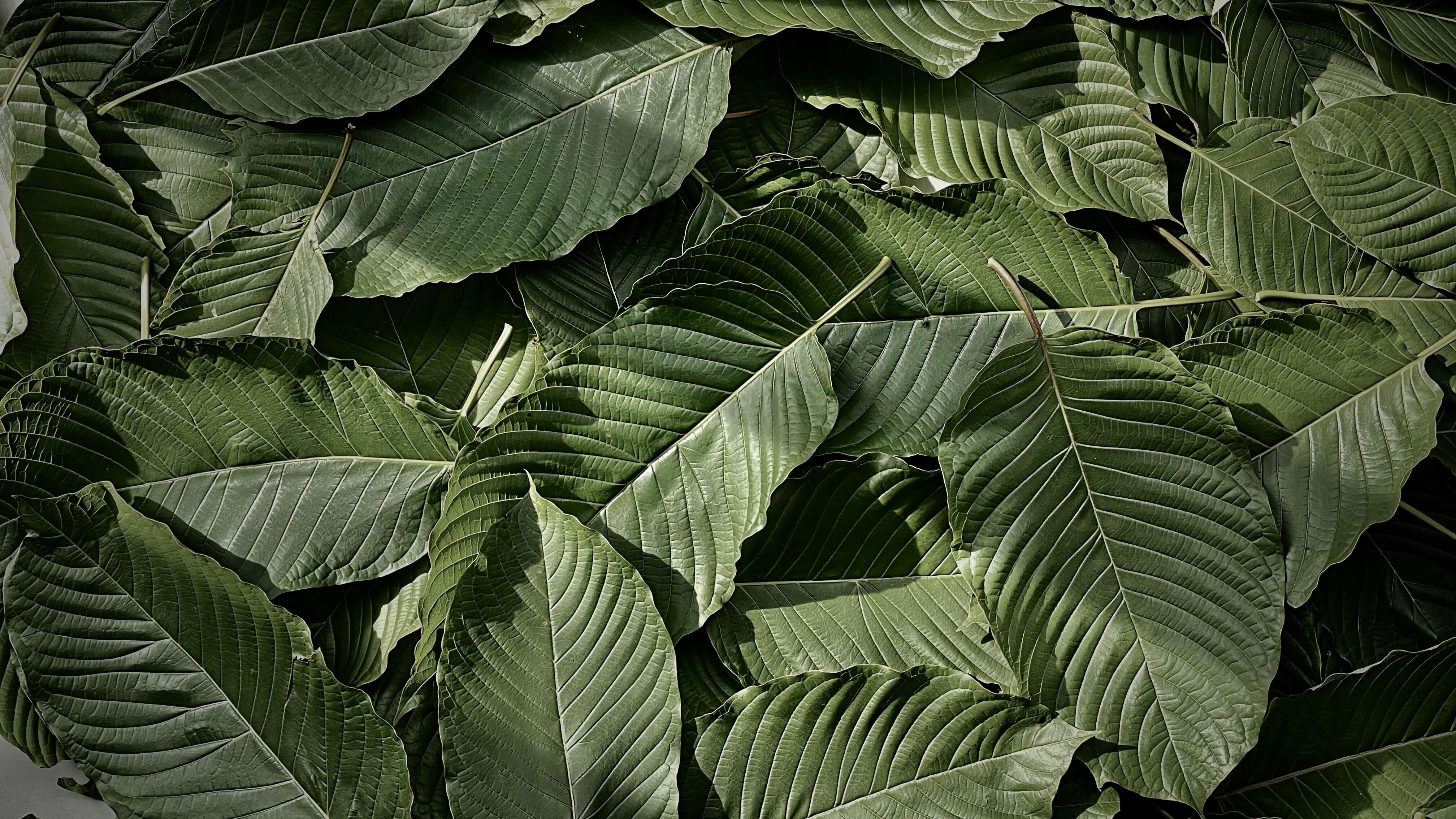







For one reason or another, you’re interested in introducing kratom into your life.
And now, you’re probably wondering, “Can you get high on kratom? And what does it feel like?”
Well, you’ve come to the right place, because we’re here to demystify the kratom high so you know exactly what to expect during your first experience, from how kratom’s effects feel to how long they might last.
What Does “High” Even Mean?

The term “high” feels almost as outdated as those “Just say no” PSAs. It’s not necessarily bad, but it does feel like a catch-all phrase used during an era where anything psychoactive was automatically bad and harmful.
"High" basically describes the mind and body effects you experience after consuming any psychoactive compound- but it's not very helpful.
Cannabis can get you “high.” LSD can get you “high.” Fentanyl can get you “high.” Yet, you don’t need to try any of these psychoactive compounds to know that their effects (and safety) are vastly different from one another.
And yet somehow, alcohol, one of the most popular psychoactive compounds in the United States, doesn’t get you “high”...it just gets you drunk. Go figure. But you see where we’re going with this.
So, is kratom psychoactive? Of course it is. But can you get “high” on it? Well, kratom can:
- Alter your mood
- Promote physical sensations
- Lighten your worries
- Leave you feeling sleepy or even tingly
But the extent of kratom’s effects really depends on how much you consume and other factors (which we’ll cover later).
Since kratom is so different from other effects you might be familiar with, let’s ditch the PSA verbiage of “high” and talk about kratom (and psychoactive compounds in general) like rational, sober adults.
How Kratom Works: Mechanism of Action
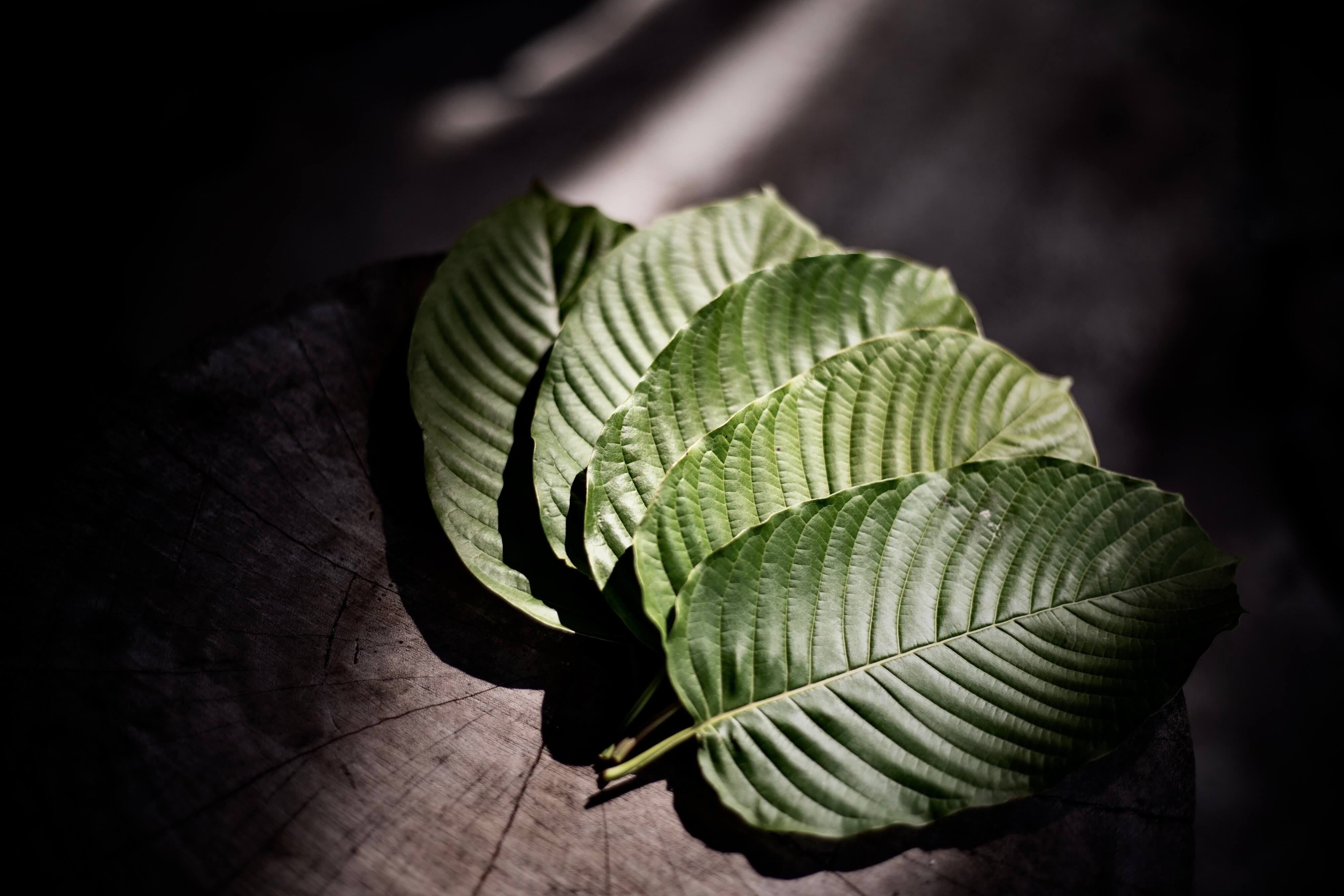
To better understand the psychoactive effects of kratom (Mitragyna speciosa), we’ll first need to take a deep dive into how exactly it works. Here’s the breakdown of kratom's mechanism of action (without drowning you in biology).
Throughout your nervous system (brain, spine, and nerves), you have receptors that process external stimuli, like light, sound, heat, or pressure. These nerves then translate the external input into a “language” (electrical signals) that your brain can understand. This mechanism, in turn, helps your brain understand what’s going on “outside.”
Opioid receptors are just one type of these “translators.” These receptors are located mostly in the brain, spinal cord, nerve cells, and the digestive tract and support a variety of processes. Essentially, opioid receptors help us:
- Relieve pain
- Feel pleasure
- Experience happiness
- Regulate reward-seeking behavior
Our bodies naturally create chemical messengers called “endogenous opioids” that help send signals to activate functions such as pain management, mood regulation, and stress management.
So basically, you have receptors that manage functions like pain relief and pleasure, and then you have chemical messengers that activate these receptors. Pretty simple, right?
Here’s where kratom comes in. The kratom plant contains alkaloids, its key active compounds, such as mitragynine and 7-hydroxymitragynine. Much like the chemical messengers in your body, mitragynine and 7-hydroxymitragynine activate opioid receptors to deliver psychoactive effects.
But that’s not all. Mitragynine can also bind to receptors related to adrenaline (adrenergic receptors) and serotonin (serotonergic receptors). Adrenaline is the hormone released to help you manage stress, kicking you into a “fight or flight” response, and serotonin is essentially the “feel-good” chemical in your brain that helps manage happiness and anxiety.
So in summary:
- Your nervous system contains receptors that detect outside information
- Chemical messengers called “neurotransmitters” activate these receptors
- Kratom contains compounds that interact with receptors that govern pain, adrenaline, and mood
And that’s how kratom works, but how does it make you feel? That depends on many factors, especially how much you consume.
Kratom is Biphasic: Effects Vary by Serving
The effects of kratom- which, as we covered, come from its interaction with the receptors involved in pain management and mood- will ultimately depend on how much of this plant you consume. Kratom is “biphasic,” meaning it can deliver two distinct effects depending on the amount served.
In lower amounts, kratom promotes:
- Increased energy
- Sociability
- Focus
- Euphoria
But in higher amounts, it can result in:
- Physical comfort
- Sleepiness
- Euphoria
On the lighter end of the spectrum, kratom may fit better for daytime activities such as work, exercise, or hobbies that require focus. And on the heavier side of the spectrum, you may find kratom to be useful for lying low, relaxing, or just trying to get some shut-eye.
But how much kratom should you consume to get one family of effects versus another? It’s a bit more complicated than you might think.
Variability: Strain, Tolerance, Individual Biology

Is there a clear-cut way to determine what kind of “high” you’ll experience with kratom, and how long it will last? Not exactly.
There is no world where “If you consume Xmg, you will feel Y effects for Z long” holds. Here’s why.
Individual Biology
Whether you’re discussing kratom, caffeine, alcohol, or cannabis, there’s really no “universal standard” for what amount of consumption will deliver what kinds of effects. That’s just the way things are.
Stuff like metabolism, stomach contents, and body weight might come into play when it comes to kratom, just like with other psychoactive compounds.
However, there isn’t enough research out there that provides a definitive answer as to why some people have different experiences with kratom compared to others.
Tolerance
Much like caffeine, alcohol, or cannabis, those who have consumed kratom, especially on a habitual basis, will develop a tolerance.
Therefore, someone who frequently enjoys kratom might need a larger serving compared to those who are new to the plant.
Batch Variation
And finally, one of the biggest factors that can affect your kratom experience is batch variation. What is batch variation?
It’s essentially a variation in alkaloid content due to factors that can include:
- Soil composition
- Climate (most kratom comes from Southeast Asia)
- Harvest timing
- Drying methods
- Storage conditions
It’s for these reasons that different batches of kratom can look and taste identical, but feel completely different.
Depending on manufacturing practices, like Black Sheep's, you can mitigate or even eliminate batch variation and the inconsistent experience it causes.
What about Strains and Veins?
If you’ve been into kratom for a while, you’ve probably noticed the mentions of “strains.” And yes, those quotation marks are intentional.
There is no shortage of marketing claims that each regional source or vein of kratom produces specific effects compared to others. Well, here’s some insider truth about kratom “strains” — they’re post-harvest classifications, not distinct botanical variants.
There’s not much science that objectively supports the notion that one color of kratom will offer a set of effects versus another. So if someone is approaching kratom from this angle, you might not experience consistent results.
Kratom "High" vs. Other Highs
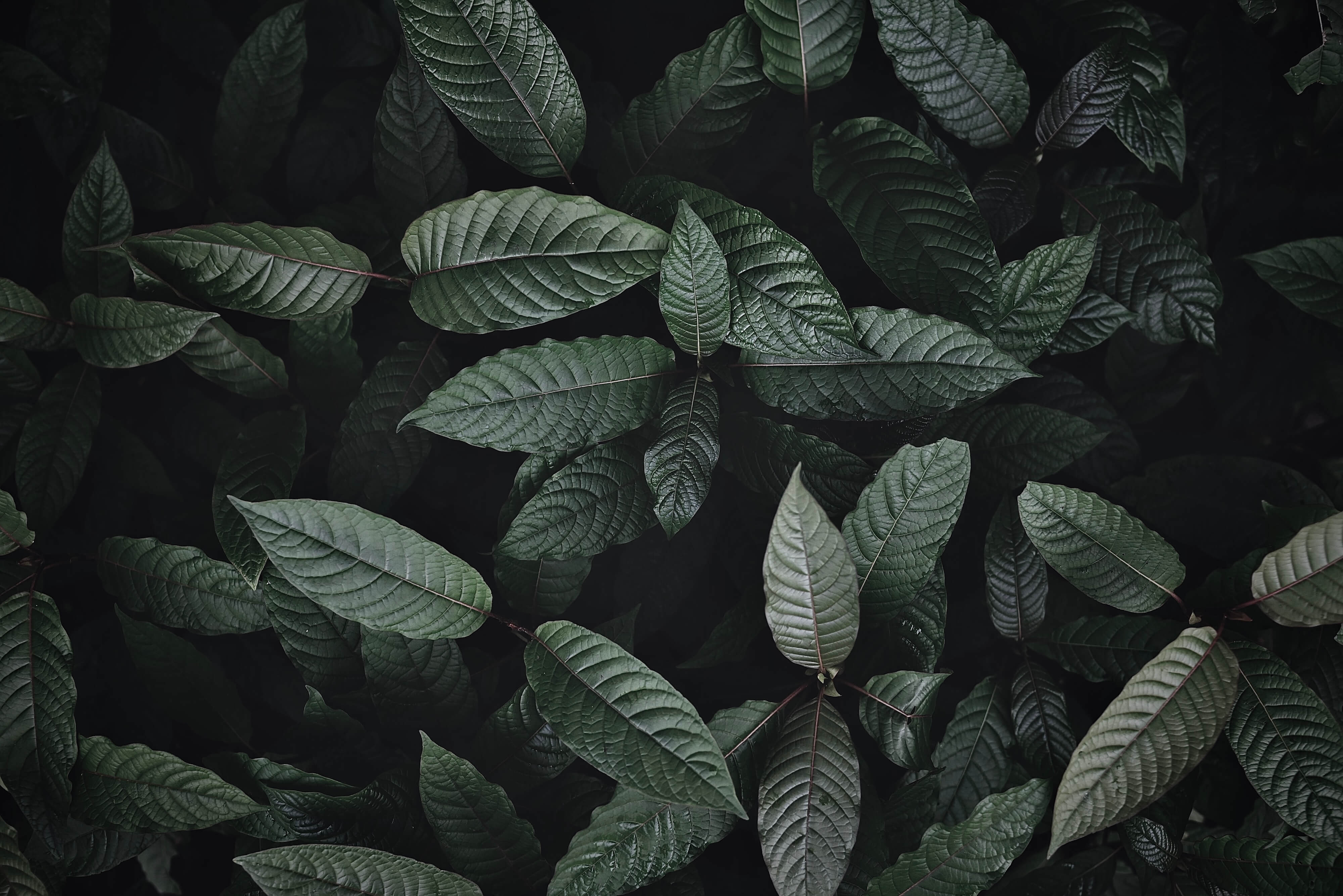
How do the effects of kratom stack against those of other psychoactive compounds? Well, there isn't enough time to go into every substance you might encounter, but here are some common ones.
Kratom vs. Other Opioids
Even though it's not derived form the opium poppy plant, kratom is technically an opioid... but so are many other compounds that are very, very dangerous if not taken outside of the context of a prescription or medical treatment (we cannot emphasize that enough).
Compared to other opioids, kratom is much, much milder because its active compounds, mitragynine and 7-hydroxymitragynine, are partial agonists of opioid receptors, not full agonists.
This basically means they bind to these receptors to a lesser extent than other opioids like morphine. Again, we cannot stress how dangerous these other opioids are, and you should avoid them at all costs unless you are taking them as prescribed by a doctor or in any other supervised, medical context.
Kratom vs. Cannabis
Kratom and cannabis are often compared to one another because they’re both plants, they’re green, they’re widely available in the U.S., and they offer psychoactive effects. And...that’s pretty much where the similarities end.
Compared to cannabis, many enthusiasts would describe the effects of kratom as:
- Feeling more grounded
- Preserving mental clarity
- Easier to be productive on
- Doesn’t distort perception and time
So if you’re looking for something that might change the way you experience movies, art, food, or just about anything, cannabis is a better fit. Kratom, on the other hand, seems more in line with tasks that require focus or could be boosted with a touch of energy.
Kratom vs. Alcohol
Alcohol is one of the most socially accepted psychoactive compounds, but it can also be very impairing. Kratom and alcohol bear similarities in that they can help someone “take the edge off” and loosen up in social situations.
Compared to alcohol, however, kratom can offer:
- Sociability without sloppiness
- Functionality
- Clear headedness
That being said, we cannot mention these two psychoactive compounds together without saying that you should never mix alcohol with kratom.
Kratom vs. Caffeine
Around the country, you may find cafes that offer both coffee and kratom side by side. As mentioned earlier in this blog, at lower amounts, kratom is more stimulating and is a psychoactive compound more in line with productivity.
Compared to caffeine, kratom can be:
- Smoother
- Steadier
- Mood enhancing
Some enthusiasts find kratom to be an optimal choice over caffeine for “burning the midnight oil” in that it’s easier to go to bed after pulling an all-nighter with kratom than it is with coffee.
Safety Considerations
Kratom is psychoactive, which means it deserves the same respect you’d give to any compound that affects your body and the way you feel. With that in mind, here are some safety considerations.
Less is More
Just like alcohol or caffeine, being a bit more moderate with how much kratom you take can mean the difference between enjoying the benefits of this plant and having a bad time (nausea, dizziness, and drowsiness).
Don’t Mix It
Combining kratom with other psychoactive compounds, especially alcohol, can increase your risk of feeling sick and physical injury. In other words, kratom is a solo act.
Pay Attention to Frequency
Heavy, daily consumption of kratom can result in tolerance and dependence over time. Experienced enthusiasts tend to take breaks with kratom to remain in control and keep their experience predictable.
Don’t Drive or Operate Heavy Machinery
Do we really need to explain why you shouldn’t dive or operate heavy machinery while consuming a psychoactive compound?
Don’t Consume if Pregnant, Breastfeeding, or Trying to Become Pregnant
Do we also need to explain this one to you?
Kratom Is More Than a "High"
So does kratom get you “high?” If your grandparents ask you this question, you can say “Yes.”
But the honest answer? Kratom is a nuanced psychoactive plant with varying degrees of effects depending on how much you consume. At lighter amounts, these effects can include sociability, focus, and euphoria. At higher levels, it can lead to sleepiness and relaxation.
The term “high” is both vague and reeks of (ineffective) PSAs of days long past.
At the end of the day, kratom is a tool. It may help you socialize, work out, or just be more productive, but remember to respect its power and let it work for you (not the other way around).
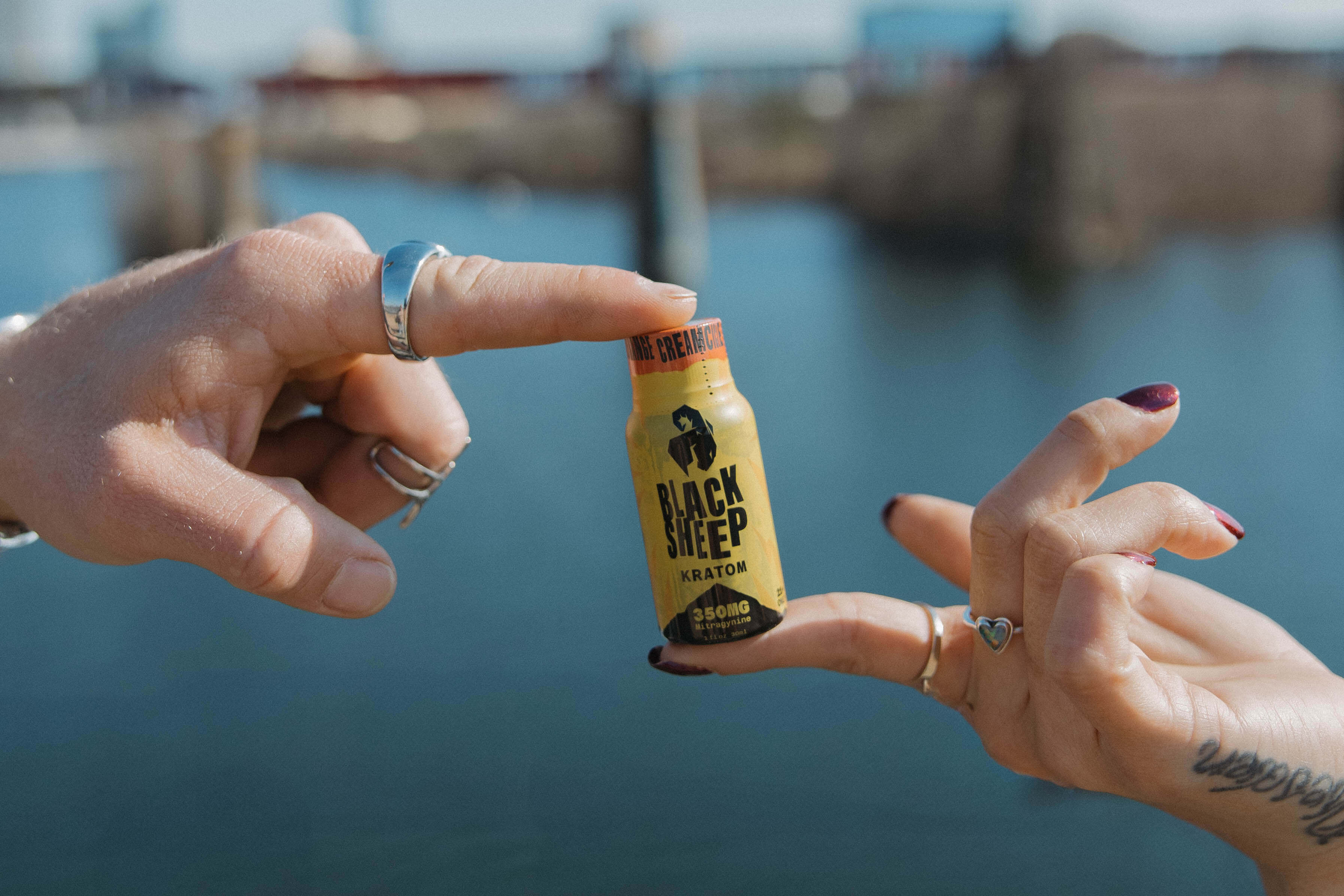
And that’s where Black Sheep comes in. We’ve built our brand on flavor, consistency, and strength, so you can have a gag-free, high-quality experience that you can rely on every time.