






Kratom, a humble tree found in Southeast Asia, is now taking the world by storm. Its leaves contain natural alkaloids that become a gentle social elixir known for boosting daytime energy, lifting mood, and, with bigger servings, soothing relaxation. As a paradoxical plant with a spectrum of beneficial effects, it's no wonder people are talking about it.
But as kratom starts popping up in everyday conversations, so too do the questions. What is kratom used for? Is kratom addictive? And perhaps most fundamentally of all: what is it?
So, let's not waste any time. Here, we cover all the bases from kratom's traditional origins to its range of effects and current regulations.
What Is Kratom? Mitragyna Speciosa’s Origins

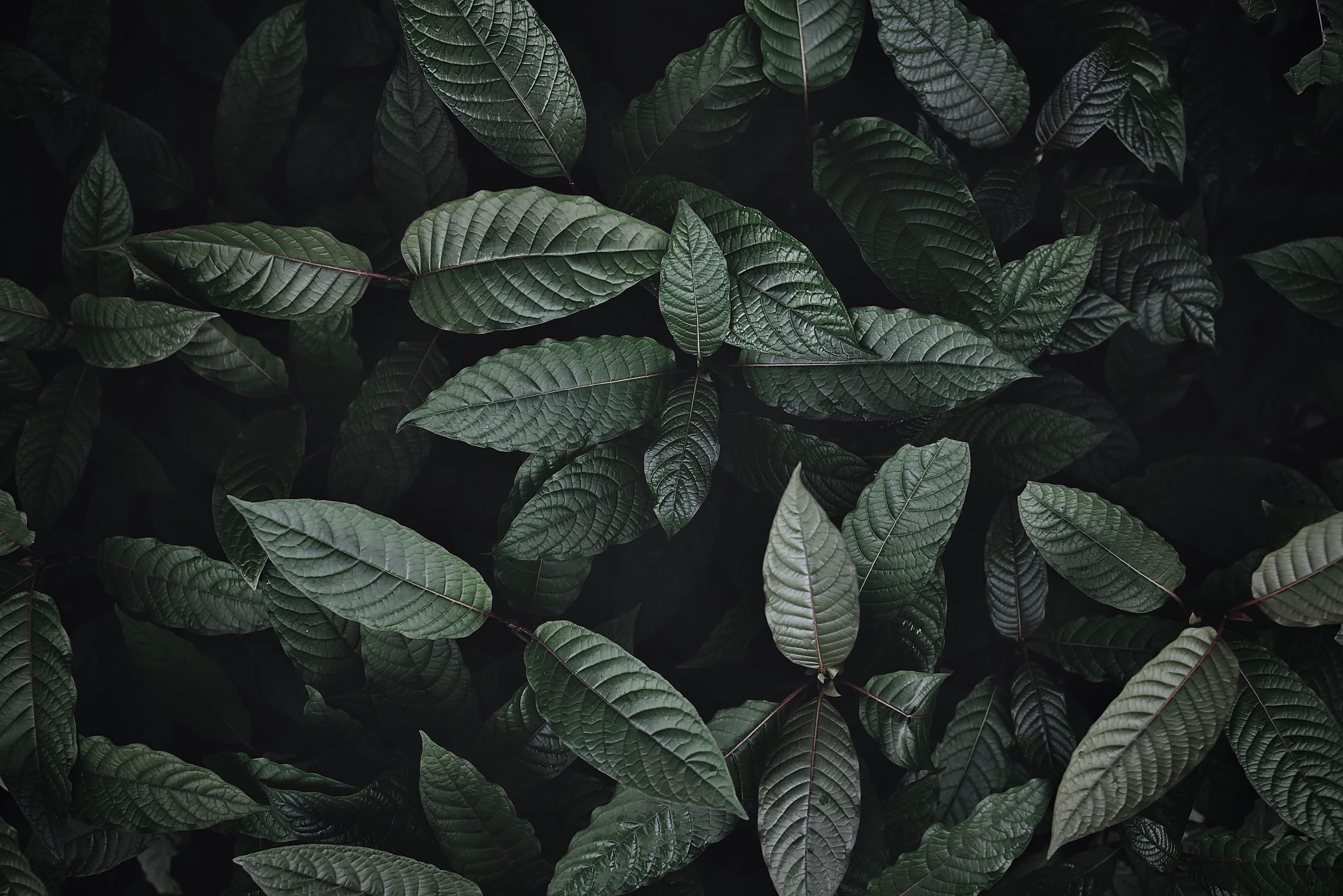
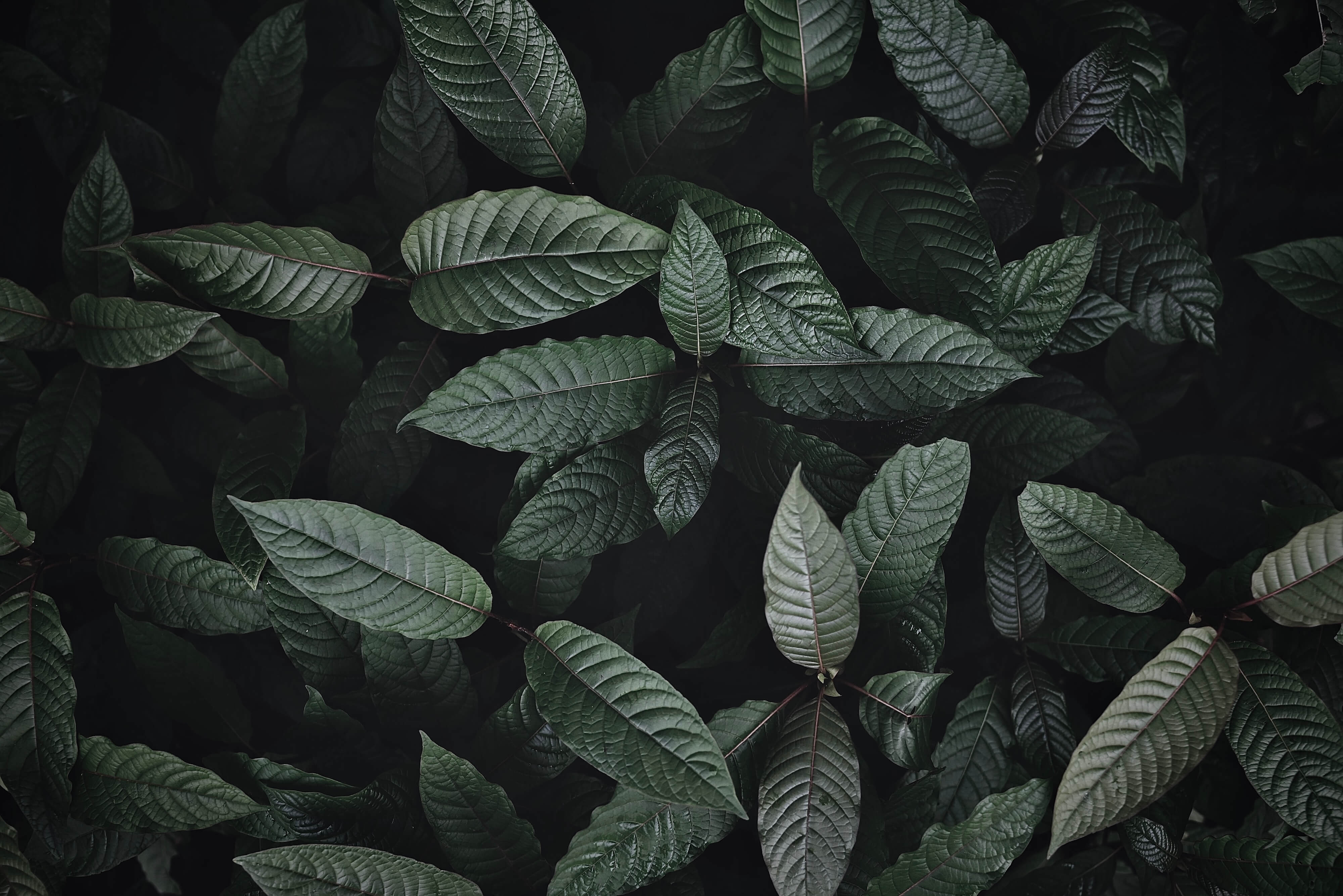
Kratom (Mitragyna speciosa) is a Southeast Asian tree with leaves that contain compounds called alkaloids known to interact with opioid receptors. Although there are more than 40 alkaloids produced in the leaves, two alkaloids are responsible for most of this plant's effects: mitragynine and 7‑hydroxymitragynine. But more on those later.
Kratom is native to Thailand, Indonesia, Malaysia, and other parts of the region. Traditionally, people would chew fresh leaves or brew a mild tea from dried leaves to boost energy and endurance while working in the fields or forests.
There are three "types" of Kratom, each defined by the color of the veins in the leaves: red, green, and white. But no matter what the color, all are processed in the same way. First, the leaves are harvested and dried. Then, the dried leaves are ground into a fine powder. Today, kratom may be further refined into concentrated extracts.
What Are Kratom’s Key Active Compounds?
When it comes to kratom, two alkaloids account for most of its effects: mitragynine and 7-hydroxymitragynine. Mitragynine makes up the bulk of the plant's chemistry. It's the primary alkaloid responsible for focus and alertness, especially at lower serving sizes. 7-hydroxymitragynine, on the other hand, is the heavy-hitter. You'll find less of it in the leaf, but it offers stronger effects on the relaxing, mood-lifting end of the spectrum.
Although these alkaloids appear to have opposite effects (energizing vs. relaxing), they both share the exact mechanism of action: opioid receptors.
As a refresher from biology class, opioid receptors live on nerve cells. There are various types, including u-κ‑ and δ‑opioid receptors. Opioid receptors respond to the body's own naturally produced triggers (think endorphins) but also opioid-related compounds found in nature (like kratom) or made in a lab (like prescription painkillers).
An opioid receptor's main job is to reduce neurotransmitter release to help regulate pain, stress, reward, and more. But how does this relate to kratom?
Kratom's alkaloids interact with our body's opioid receptors to produce similar effects to the endogenous opioids produced within the body (enkephalins, endorphins, endomorphins, and dynorphins, just to name a few). In essence, it gently activates these receptors to manage pain, mood, and our internal reward system.
Scientists call this relationship a "G-protein biased partial agonist." But all you really need to know is that kratom's mechanism of action is exceedingly softer than any prescription drug or opioid-type drug. On top of its opioid receptor activity, kratom's compounds also dabble in your adrenergic, serotonin, and dopamine systems. This is likely where some of kratom's subtler effects come into play, like its ability to boost energy and make the most mundane social situations more tolerable.
Just like cannabis plants can produce more or less THC, there is a similar natural variability in the alkaloids a tree produces. It all depends on cultivation practices, environment, and processing. Check product labels for test results on the potency of both mitragynine and 7-hydroxymitragynine to better understand the strength and the appropriate serving size.
Green, Red, and White: Kratom Strains & Colors

As you start to explore kratom, you'll discover that it's often sold by strain or color: green, red, or white. You might also encounter different regional varieties, which are usually scribed by the country or location where they are grown, like Bali or Borneo.
Are there differences in effects for each of these strains? Often, brands will describe red as relaxing, green as balanced, and white as energizing. But in all honesty, there isn't any scientific evidence for these claims.
In the words of a 2023 analysis, "The product analyses revealed no significant cross-strain differences in alkaloid content, suggesting that the reported effect differences might be disproportionally influenced by marketing narratives and anecdotal reports."
There are no peer-reviewed studies, human or otherwise, that validate the claims about different effects based on color or strain.
Instead, the main driver behind the effects boils down to serving size:
- Lower: Expect a clean boost of energy, focus, and sociability.
- Higher: Prepare for mellow vibes, pain relief, and a full-body exhale.
All the Many Forms of Kratom

Traditionally, people enjoyed kratom by chewing fresh leaves or boiling the dried leaves into a mild tea. But these days? You don't need to visit the nearest tropical jungle to feel kratom's uplifting effects.
Kratom now comes in formats that fit every lifestyle. Each format translates into a distinct experience, with differences in onset times and duration:
- Powder: The simplest form is a loose powder, which is usually mixed into a tea or drink. The alkaloids are absorbed quickly, for a rapid onset of effects.
- Capsules: An easy-to-use format that allows for a consistent, precise serving size. But the capsules must first dissolve, which leads to a longer onset but smoother transition into peak effects.
- Extracts and concentrates: A stronger format, liquid extracts, and high‑potency concentrates offer rapid-onset and intense effects. Extracts are best suited to those with previous experience.
Mood, Energy & Relaxation: Kratom's Spectrum of Effects

What does kratom do? This natural plant is simultaneously a mood enhancer, energy booster, gentle relaxer, and a reliever- all served with a dash of social lubrication.
How can one species produce such a wide spectrum of effects? It's a good question considering kratom can, on the one hand, help you feel good and relax, yet on the other, provide a little shot of energy to keep you going.
The answer is that kratom is biphasic, a term that just means its effects are entirely dependent on the serving size. Lower serving sizes provide more of a social uplift and a gentle burst of stimulation, while larger serving sizes help you unwind and find physical relief.
Research that unpacks kratom's myriad effects is ongoing, but that doesn't mean people out there in the real world haven't been talking about how it makes them feel. These real experiences help paint an accurate picture of what types of effects you can expect as you explore it, too:
Mood and Energy
People who regularly enjoy kratom report that they feel better overall, thanks to having a better mood and lower daily stress levels. These surveys tell us that people are turning to kratom when they feel down and stressed out.
Focus and Productivity
Other reports from kratom lovers show that people also use kratom for focus, alertness, and daily performance. This often seems to be associated with a smaller serving size, which people say feels like a mild stimulant that helps them stay on task or lean into social situations.
Physical Comfort
What is the number one reason people take kratom? Across survey after survey, people say they use kratom to help relieve physical discomfort and daily pain. Often, these surveys mentioned how kratom allowed respondents to move away from traditional opioid prescriptions or to avoid them altogether.
Relaxation
With a higher serving size, most people report that kratom's effects become more relaxing instead of energizing. A few of the most commonly reported experiences with higher servings include relaxation, reduced stress, and help with turning off before bed. Some people say it makes the body feel pleasantly loose and heavy.
Of course, the studies cited here are uncontrolled and self-reported, which means there is room for error. Especially for those self-managing medical conditions with kratom or who have known risks for dependence, these studies may not have captured the adverse effects from overdependence on kratom.
Just remember, everyone's experience is personal. Before you dive in headfirst, get to know the effects, possible side effects, and risks in order to enjoy it responsibly.
Is Kratom Safe? Considerations & Side Effects

As with most things in life, there are known risks with kratom, particularly with frequent use, higher serving sizes, and when other substances also come into the mix. There can also be a risk with lower-quality and untested products. So, let's get into the part of kratom that most marketing campaigns glaze over.
Side Effects of Kratom
Short‑term effects of kratom caused by overindulging include nausea, vomiting, constipation, dry mouth, sweating, itching, dizziness, sedation, and anxiety. There are a few reports of more serious adverse events as well, including seizures, confusion, and psychosis‑like symptoms, but these often occur when other drugs or alcohol are involved
Kratom Tolerance
Is kratom addictive? It is possible to develop a tolerance to and even a dependence on kratom with long-term use and frequent higher serving sizes. In these rare cases, withdrawal symptoms may include mood changes, irritability, and difficulty sleeping.
Awareness of Serving Size
Most of the short- and long-term risks of kratom come from larger serving sizes. The more you take at once or throughout the day, the more intense the effects, and this can sometimes be too intense.
Remember, potency varies widely between products. A spoonful or a capsule from one batch could be drastically stronger than one from the next. Instead, look for precise alkaloid content and determine a safe serving size from there.
Kratom Quality
It's a bit like the Wild West out there when it comes to kratom quality. So many brands are fly-by-night operations, with no transparency about what other mystery ingredients they use or their production standards.
There may be other, dangerous substances hidden in these low-quality products that are supposed to enhance the effects. But these ingredients frequently have far more serious side effects and a greater risk of dependence.
Where you buy kratom matters, too. Source your kratom products from legitimate brands that use clean ingredients and are transparent about those ingredients. You'll want to confirm they test every batch for contamination and purity, with clearly labeled results.
Is Kratom Legal? Status of Kratom in the US and Abroad
From Canada to Germany to Thailand and beyond, there are many, many countries where Kratom is legal. Of course, in some places this isn't the case, including Singapore, Japan, South Korea, and the United Arab Emirates, which all prohibit kratom.
What about in the US? Kratom does not face any federal restrictions, and it's not listed under the Controlled Substances Act. Most states also allow for the sale and use of kratom — but again, there are definite exceptions.
Before you place an order for kratom, you'll want to know how your state feels about it. Several states have banned kratom entirely, including Alabama, Arkansas, Indiana, Rhode Island, Vermont, Wisconsin, and Louisiana.
A few other states, including Arizona, Georgia, Nevada, and Utah, have adopted the Kratom Consumer Protection Act. This legislation is designed to keep consumers safe from products contaminated with dangerous non-kratom substances. The act mandates a minimum legal purchase age and requires clear labels listing mitragynine and 7-hydroxymitragynine, among other requirements.
In short, kratom is legal at the federal level, but it's a bit of a patchwork of local regulations. Do your research before you buy to ensure you stay within the laws of your local jurisdiction.
The Importance of Quality, Testing & Sourcing
If it's not clear by this point, then let's state it clearly: only buy kratom from reputable brands that test their products. Just like it's probably not a great idea to buy a bottle of mysterious moonshine from a sketchy guy behind the gas station, the same holds true for kratom.
Source kratom from brands that make their products in a facility that passes health and safety inspections and that tests their products for contamination, potency, and purity.
What does that mean for you? Look for tests from third-party labs for alkaloid potency, specifically the two big ones, mitragynine and 7‑hydroxymitragynine. Bonus if they also list additional minor alkaloids. Then, look for the contaminants panel. This tests for heavy metals, pesticides, and microbiological contaminants. You'll usually find this listed online under the Certificate of Analysis or linked directly on the product through a QR code. Look for the batch number and then pull up the results to see for yourself.
Curious? Introducing Black Sheep Kratom

Kratom may be just a single plant, but this Southeast Asian tradition has a lot to offer. It’s a gentle energy boost to get you through the midday slump. It’s the social elixir that makes every conversation better. And it’s the soothing relief you need to unwind and feel better at the end of the day.
But where you get it matters just as much as what it does. So, let us introduce you to Black Sheep Kratom.
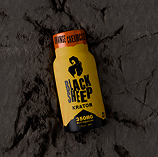
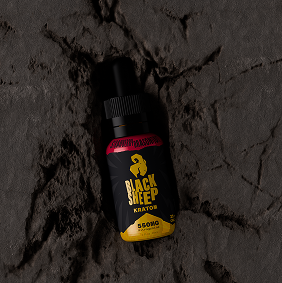
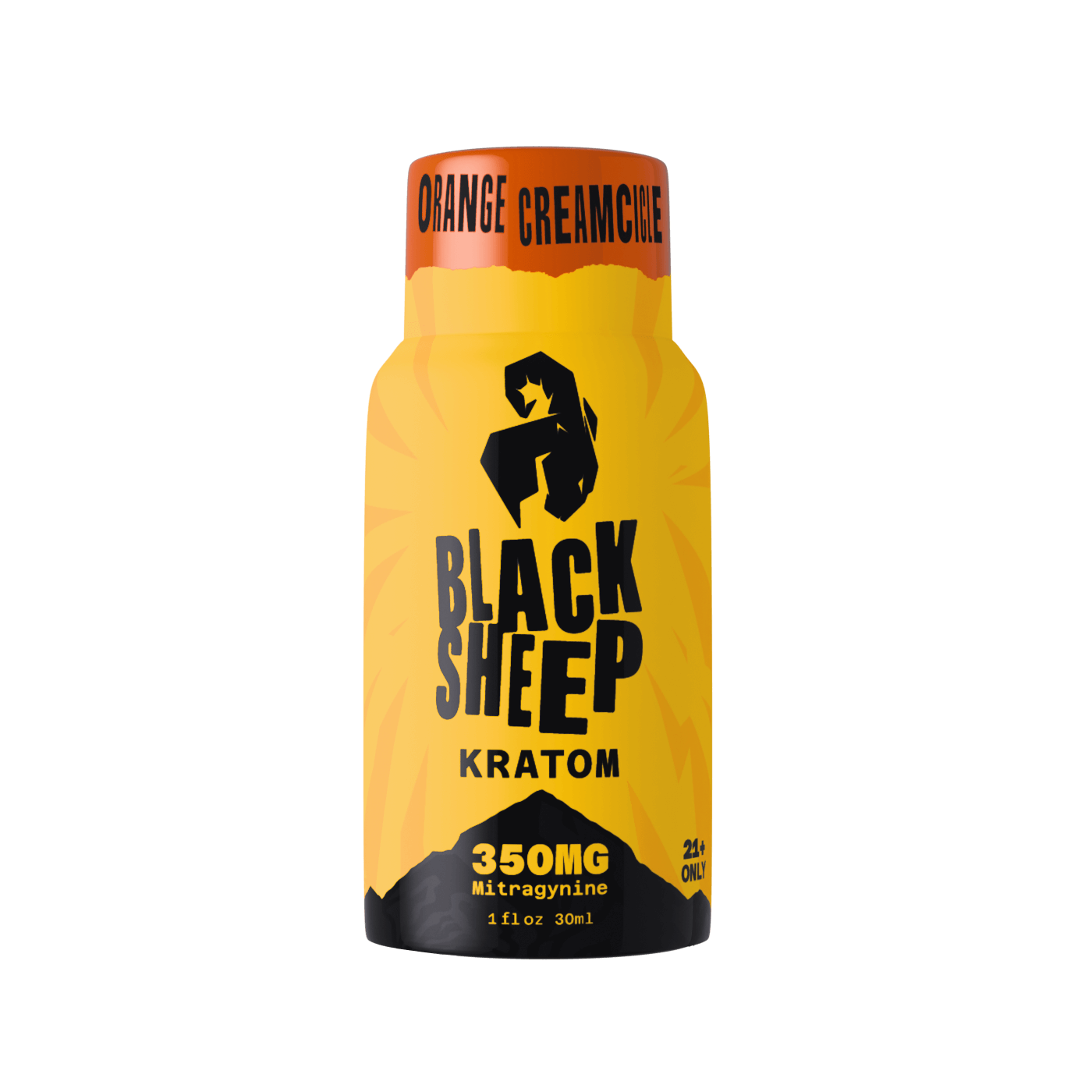
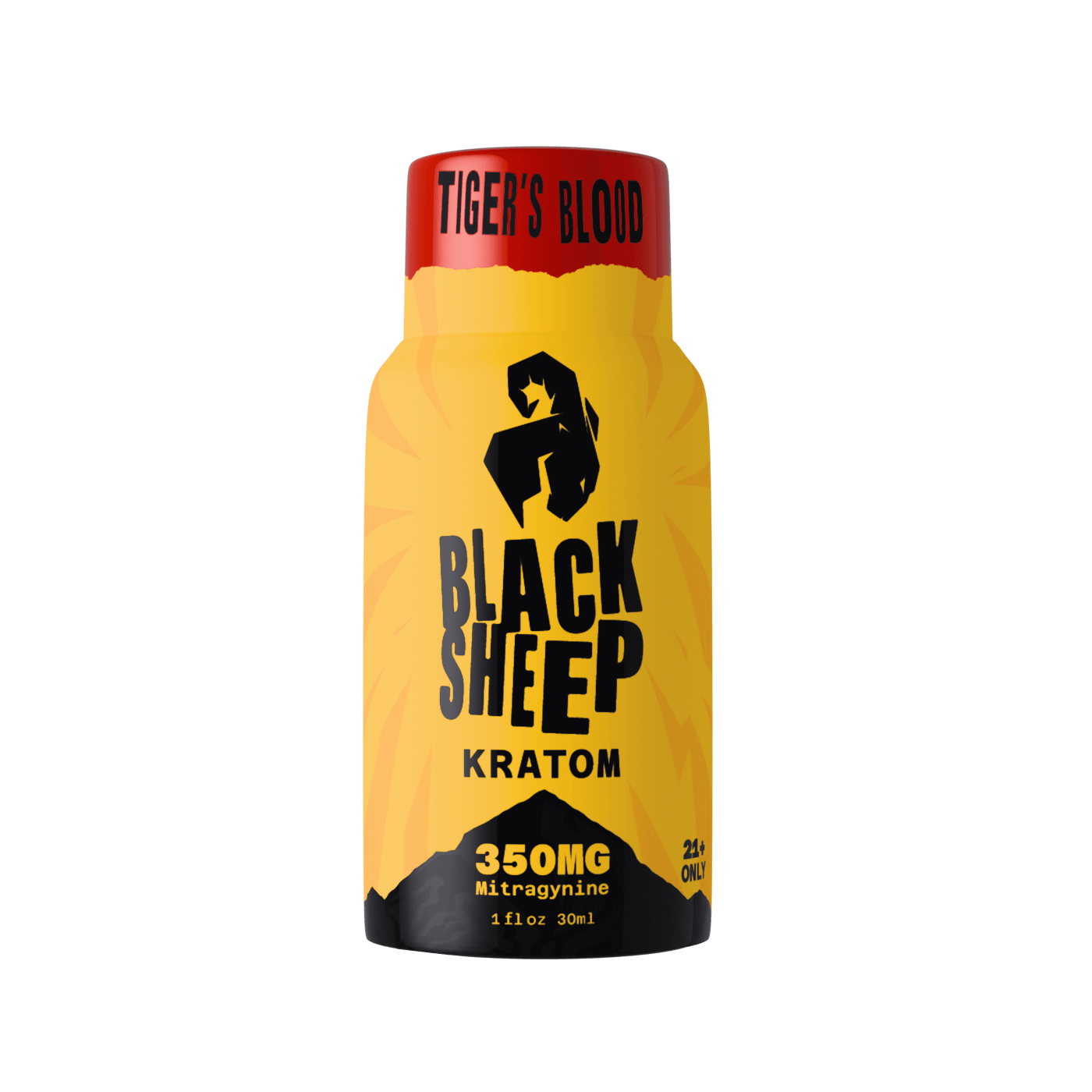
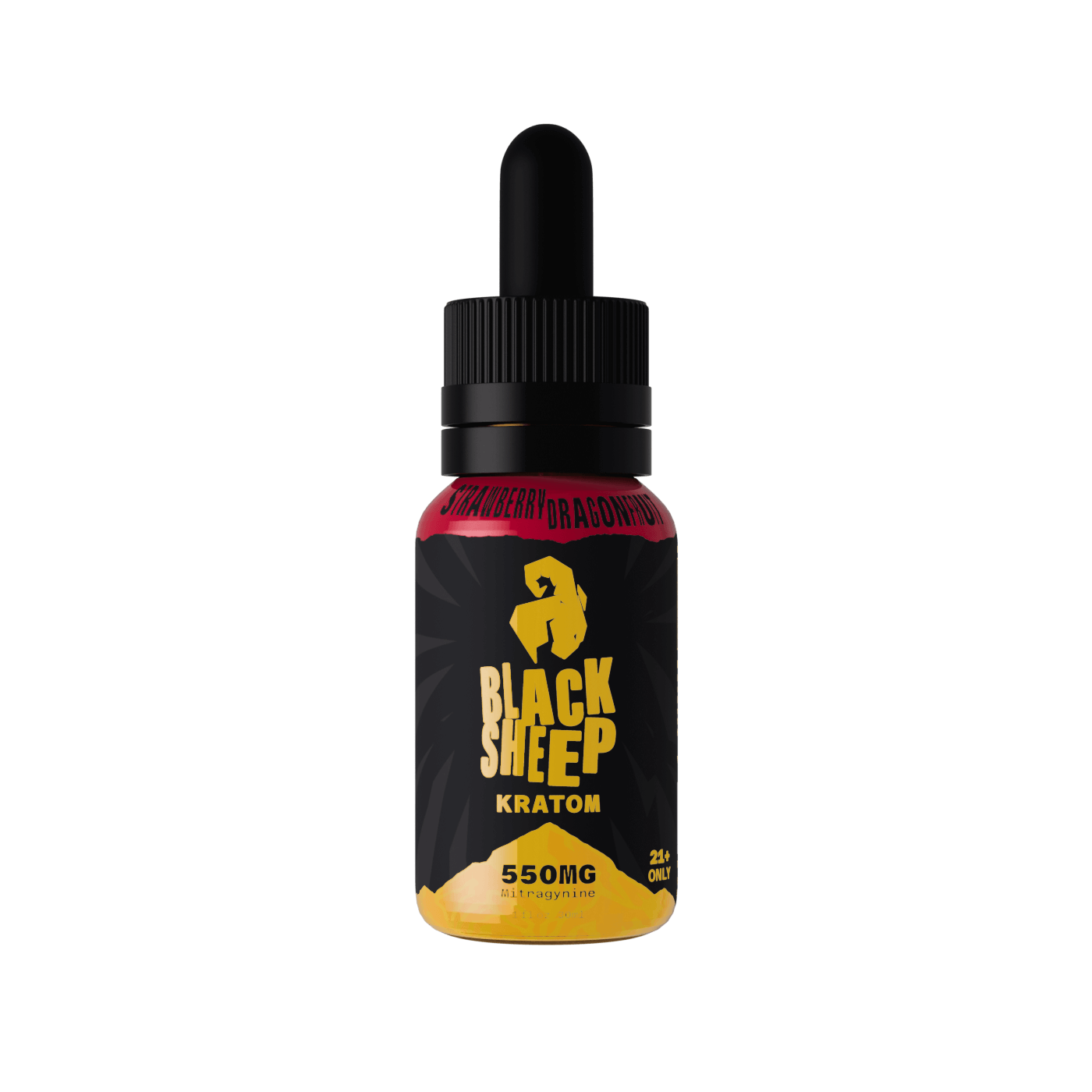
Single-origin from a small farm in the heart of Indonesia, our kratom extract is now available in liquid kratom shots (350 MIT) and kratom tinctures (550 MIT) to help you design the perfect experience.
In flavors like Orange Creamsicle and Dragonfruit, our formulas contain bitter blockers to cut out the sometimes challenging natural kratom taste. Not to mention a dash of black pepper, for better absorption and smoother effects.
Like everything we do, Black Sheep Kratom is made with all-natural ingredients, and it continues to support our partnerships with veteran-serving non-profit organizations. Great tasting, tested, and ethically sourced, this is kratom you can trust. So, are you ready to try something new?


