






Are kava and kratom the same thing? They’re both natural botanicals. They’re both used as relaxing social elixirs. And, of course, they both start with a “K.” But, as you’ll find out, kava and kratom are two distinct species with very different characteristics.
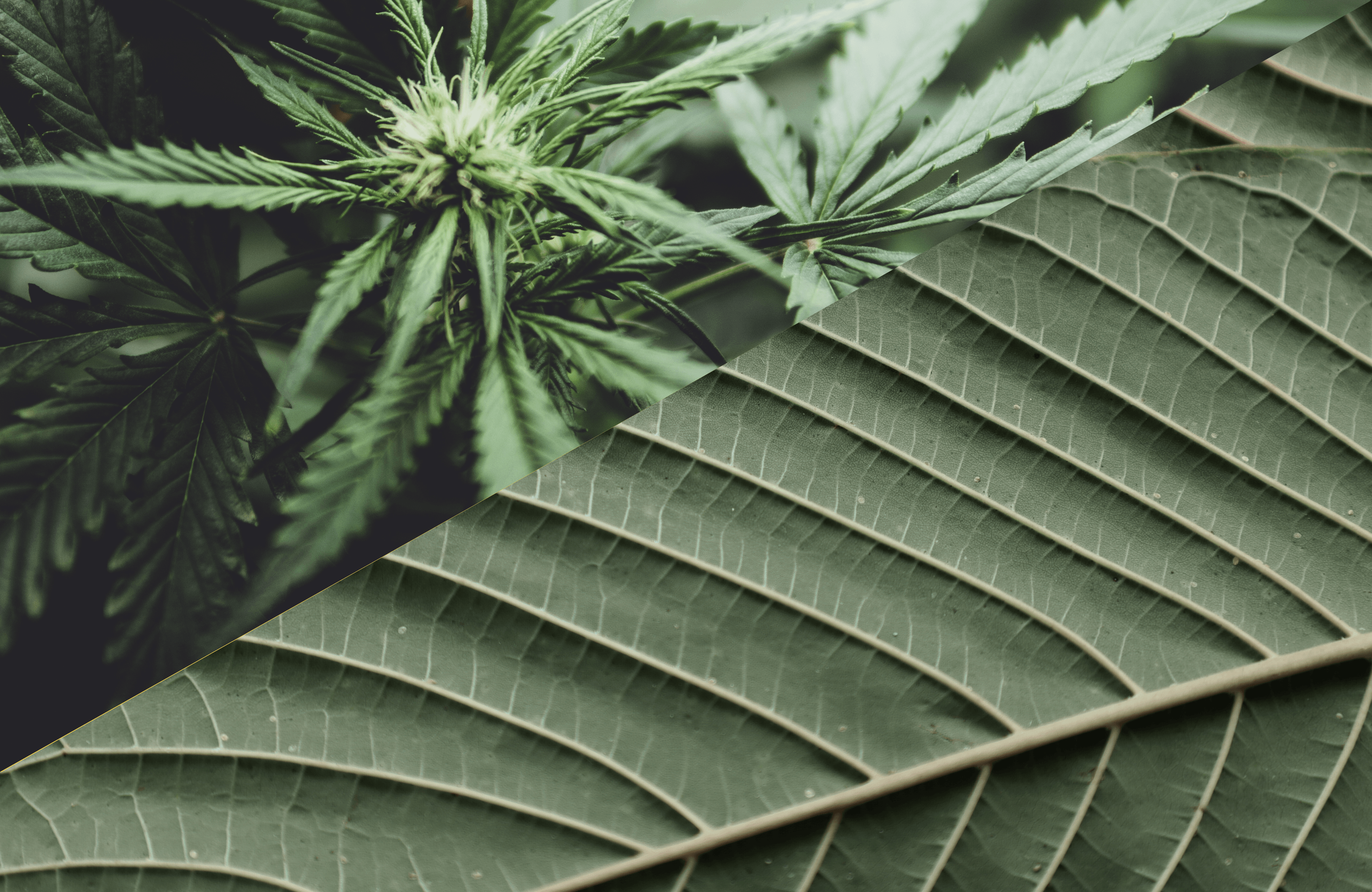
Kratom, native to Southeast Asia, comes from the leaves of the species Mitragyna speciosa. Its effects are mildly energizing at one end of the dose spectrum and super relaxing at the other. Kava comes from the root of Piper methysticum, a shrub native to the South Pacific islands. It's entirely calming and more mellow, no matter the dose.
In a few ways, kava is like kratom, but in many others, it's quite different. To help you choose between the two, here is what you need to know about their effects, safety considerations, and mechanisms of action.
What Is Kava?
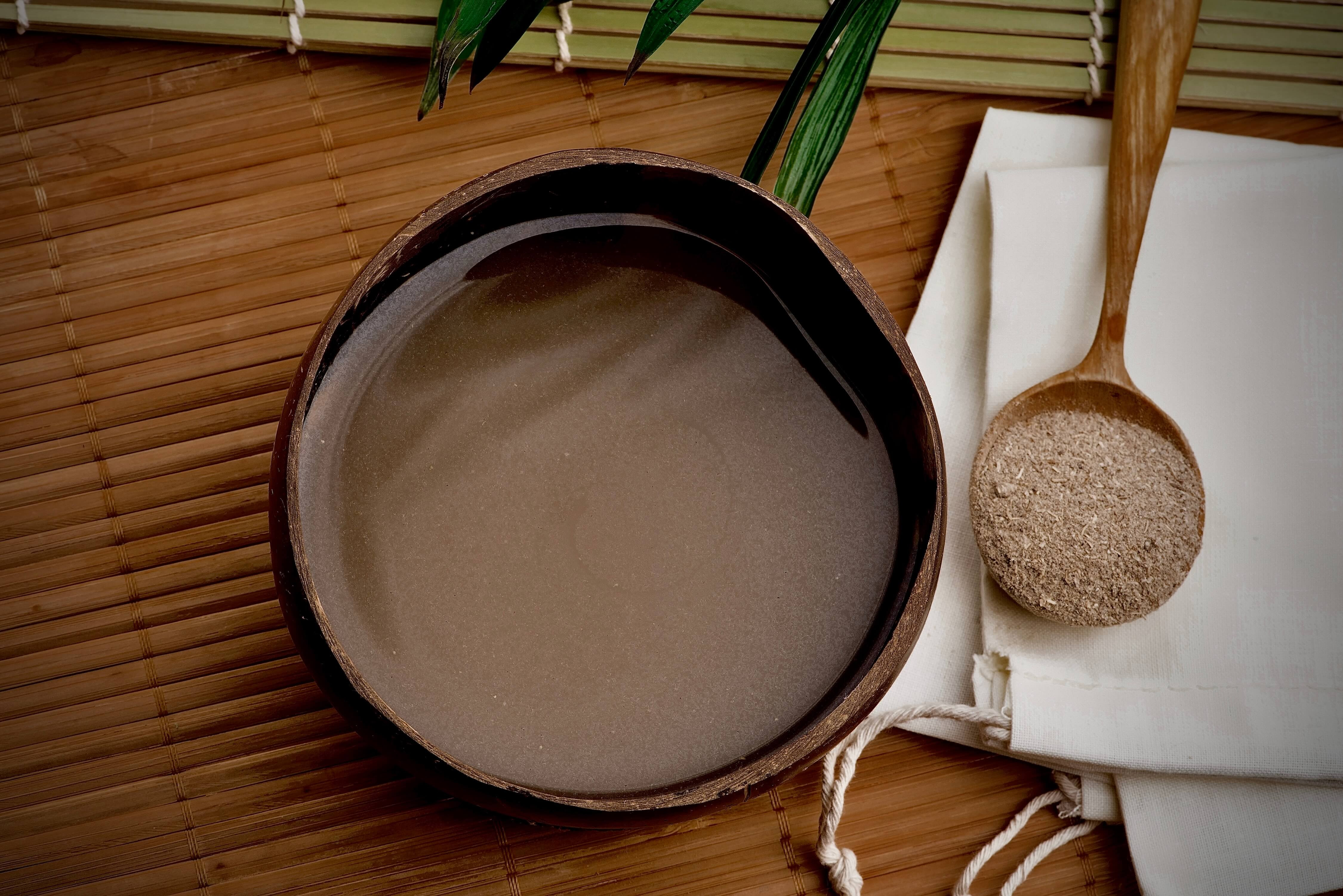
Just how similar is kava to kratom? Kava (or kava kava) comes from a shrub (Piper methysticum) native to the South Pacific. Related to the pepper family, kava’s roots have long been used by people across places like Vanuatu, Fiji, and Tonga to prepare a psychoactive herbal preparation for ceremonial or medicinal purposes.
The main differences between kava and kratom boil down to their active compounds. In kratom leaves, there are alkaloids, and in kava, the effects come from active compounds called kavalactones.
Although there are dozens of kavalactones identified, kava’s primary effects are linked to just six: kavain, dihydrokavain, methysticin, dihydromethysticin, yangonin, and desmethoxyyangonin.
Kavalactones work through the body’s GABA pathways, where normally GABA (a simple amino acid) operates like the body’s chill-out manager. When kava kava comes into play, it helps GABA work more effectively at its receptor sites, so nerve cells fire less easily, and the stress response is modulated.
Kava’s Effects
In the South Pacific, kava was an integral aspect of spiritual life, but it was also widely used for relaxation and medicine. Today, it's found its way to the rest of the world, thanks to its warming, relaxing effects and sleepy, calming vibes.
It’s so calming, in fact, that many people compare it to — and now swap it out for — alcohol. People report that kava offers a very similar physical and mental relaxation, but with less of the fuzziness and mental haze that’s so associated with drinking.
There are also a few different types of kava kava —although mostly you’ll find options split between noble vs. non‑noble:
- Noble kava: This is the more traditional, everyday-drinking category. It delivers a faster onset, “cleaner” effects, and a lower risk of nausea and sedation.
- Non‑noble (sometimes called tudei or two‑day): This is the stronger of the two categories. It delivers heavier, longer‑lasting effects that can come paired with more side effects, even a hangover‑like feeling.
What Is Kratom?
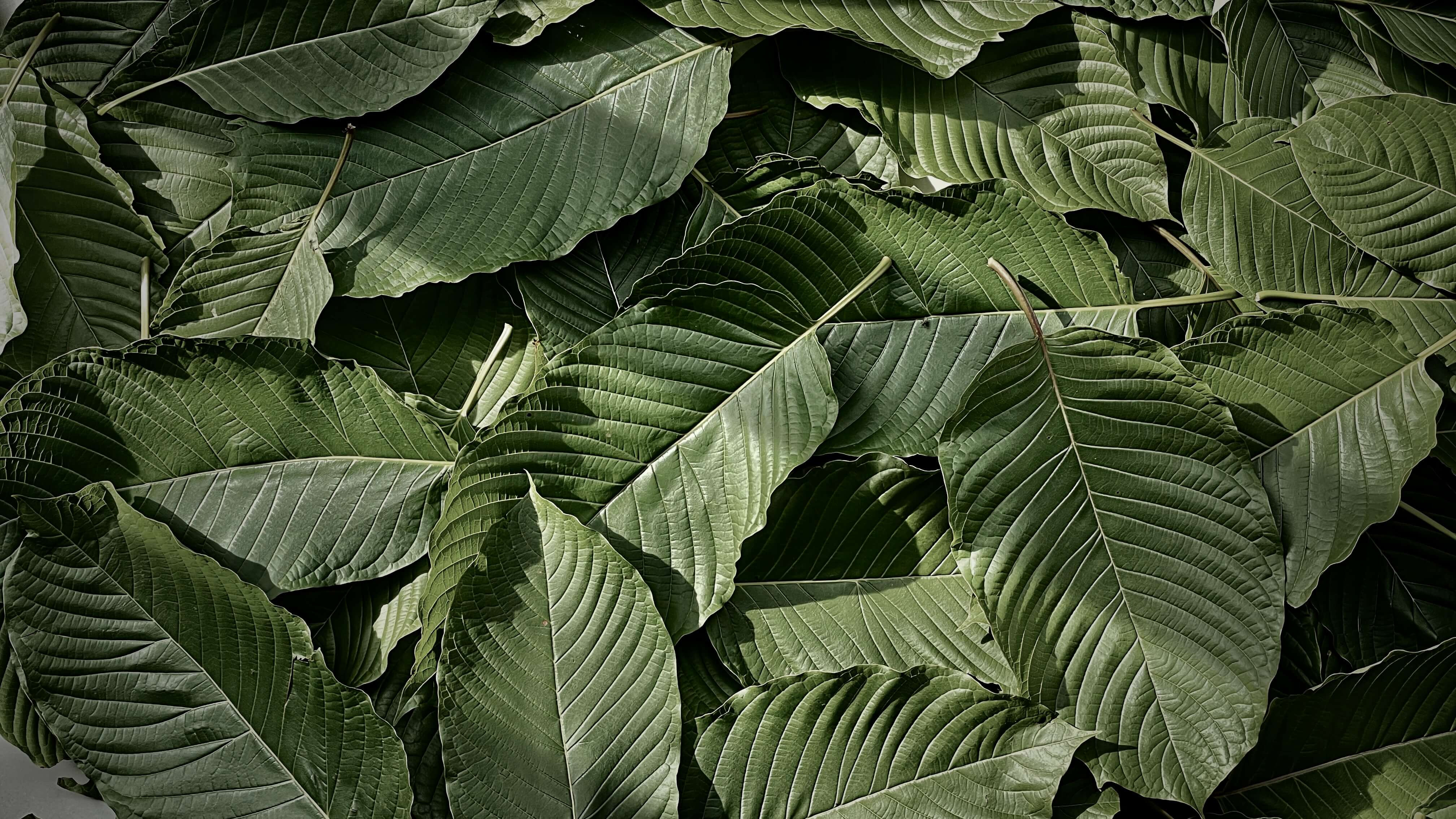
Now for the comparison, which will detail exactly how kratom is not the same as kava. Kratom (Mitragyna speciosa) comes from a tree native to Southeast Asian countries. Related to the coffee family, it has been traditionally relied on as a daily coffee-like stimulant.
The active compounds in kratom are also totally different than kava. Known as alkaloids, there are over 40 identified in kratom, but most conversations revolve around just two of the most prevalent: mitragynine and 7-hydroxymitragynine.
Instead of operating through the GABA pathways, most of kratom's alkaloids act as activators at opioid receptors (and some also interact with other receptor systems like the adrenergic and serotonergic systems). Through these systems, kratom influences
pain, mood, and reward pathways.
Kratom's Effects
In Southeast Asia, kratom was traditionally used by laborers and farmers for energy and endurance, but in larger servings, it was also used for pain relief and relaxation. It’s thanks to this spectrum of versatile effects that kratom has become a go-to plant ally for people far beyond Southeast Asia.
The key to understanding kratom’s effects is to understand its dose-dependent effects spectrum. In smaller servings, people compare its effects to a mellow cup of coffee. It feels energizing, but not jittery. But in larger servings, kratom becomes powerfully relaxing, to provide relief from discomfort and act as a sedative.
In the kava vs. kratom comparison, kratom is often seen as the more flexible option because of its spectrum of effects. Depending on how you use it, it's more functional because of its energizing characteristics or more intense than kava if you take a larger serving.
You’ll often hear about different kinds of kratom, including red, white, and green-veined strains, but color distinctions are mostly just post-harvest classifications created through processing, blending, and branding. They’re not genetically distinct varieties.
If you want to more accurately predict kratom’s effects, look for an alkaloid breakdown on the label:
- 7-hydroxymitragynine is significantly more potent than mitragynine. Even though it appears in trace amounts, it's believed to be responsible for much of kratom's stronger, more sedating effects.
- Mitragynine is associated with the more balanced, dose-dependent effects. It’s said to be stimulating at lower doses and more relaxing at higher doses.
Kava vs. Kratom: Key Differences
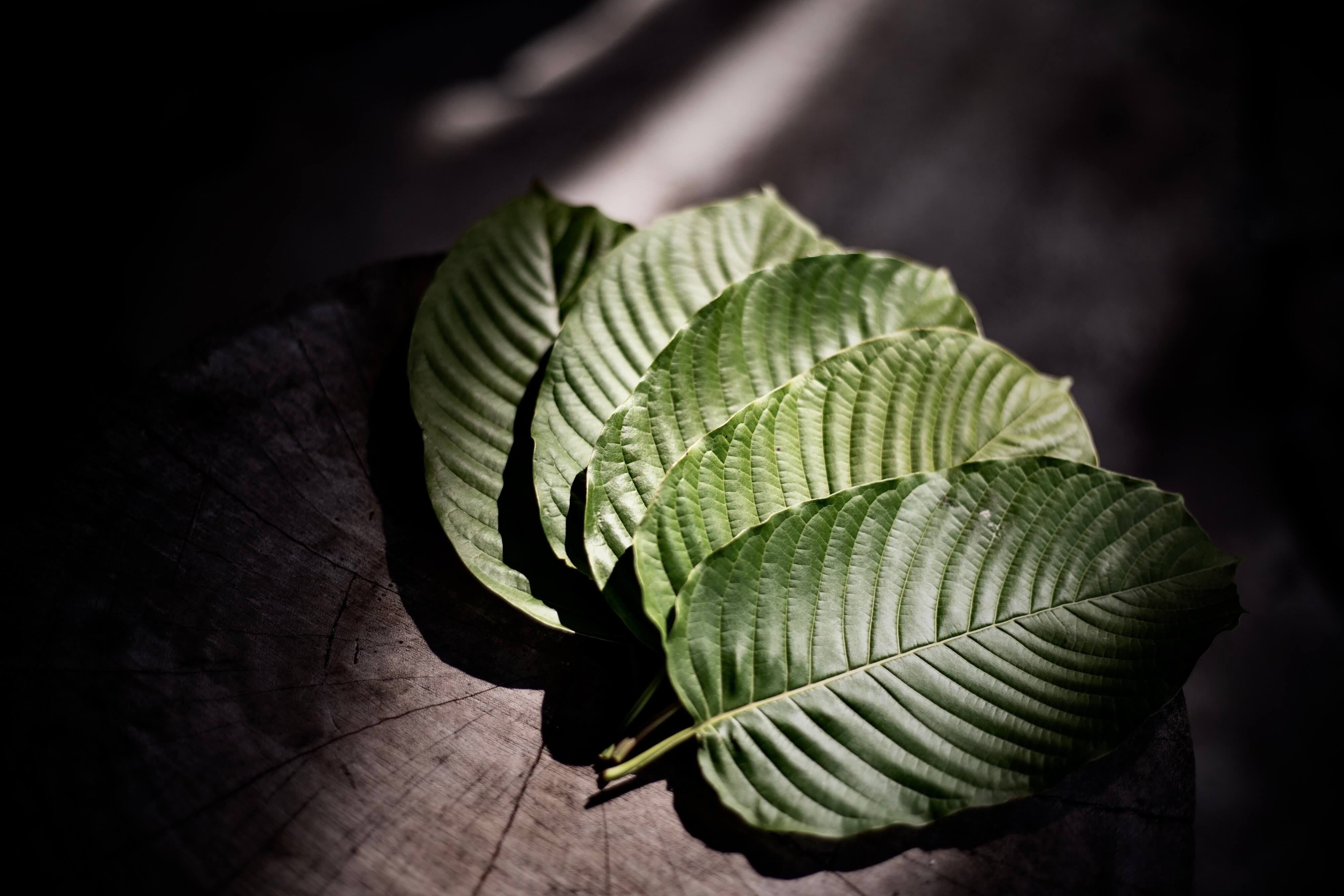
Still unsure about whether or not kava and kratom are the same? Let's review all that we know about both of these plant-derived compounds in a more easily digestible format:
Effects
Kava delivers progressively stronger calming effects regardless of serving size. You'll experience relaxation, stress relief, and social ease, but kava doesn’t lead to energy or stimulation.
Kratom’s effects vary dramatically depending on serving size. Smaller doses tend to boost energy and focus, like a cup of coffee, while larger doses shift toward relaxation and relief from discomfort. Depending on the exact alkaloid makeup, larger servings may feel more intense than kava kava.
Strength
Kava’s effects are slightly more predictable and mellow than kratom's. Noble kava especially offers a more consistent experience, with an easy-to-understand progression as the serving size increases.
Kratom’s effects fall along a spectrum, and while generally considered stronger, its strength is harder to dial in because of its dose-dependent quality. At the larger end of the serving spectrum, kratom's effects may feel more intense than kava’s.
Common Use Cases
Kava is typically used for its relaxing properties — to help you unwind after work, as a social lubricant, to promote a sense of calm, and as an alternative to alcohol.
Kratom’s application all depends on the serving size. Smaller servings make it an excellent partner for daytime energy and focus, but in larger doses, it transitions to offer relief from discomfort, evening mood support, and sleepy relaxation.
Mechanisms of Action
Kava works through GABA pathways in the brain, which is the same neurotransmitter system that helps regulate calm and relaxation.
Kratom, on the other hand, interacts primarily with opioid receptors (as well as adrenergic and serotonergic systems), influencing pain, mood, and reward pathways.
Safety Differences Between Kava and Kratom

With kava, the most common side effects are mild and usually involve drowsiness, dizziness, headaches, and stomach upset. Although rare, kava can also pose a risk of liver injury, especially with low-quality or non-noble varieties.
What about kratom? There are similar mild side effects related to kratom: dizziness, drowsiness, and stomach upset. But because kratom acts on opioid receptors, it can be habit-forming with heavy, frequent use. Don't mix it with alcohol or other substances, and never drive or operate machinery after consuming.
No matter how you elevate your day-to-day, follow the old adage: everything in moderation. Both kava and kratom are generally safe when used responsibly, but both are still psychoactive plants. They each deserve to be treated with respect.
Can You Take Kava and Kratom Together?
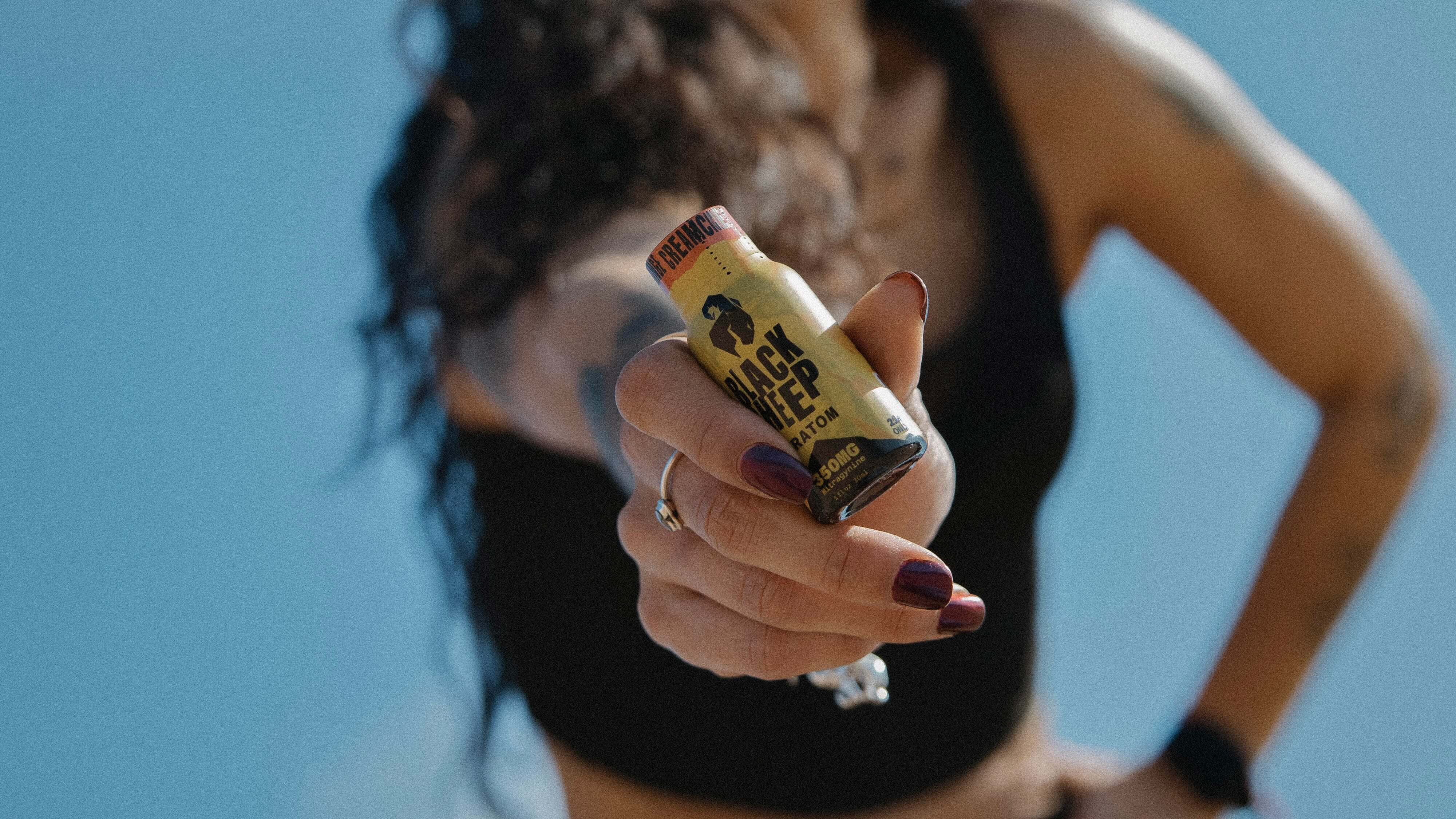
While there are certainly people who choose to dabble with kratom and kava at the same time, you’ll definitely want to understand the safety considerations and risks before doing this yourself.
Layering these two psychoactive compounds together takes you into uncharted territory. At the time of writing, there was no robust clinical research looking at how these plants interact. What you can expect is that, together, their usual effects will feel amplified, and likely in very unpredictable ways. These two, together, may feel overwhelming, intense, and much less relaxing than you’d expected.
As the master of your own domain, you’re allowed to make decisions about what things you choose to mix and which you choose to enjoy in their pure state. Just be sure you know what you are getting into before layering kava and kratom on top of one another.
Kava vs. Kratom: Which One Should You Choose?

When all is said and done, what is the difference between kava and kratom — and more importantly, which should you choose for your own personal explorations?
For those seeking a blissful, relaxed state and chasing a sense of calm, kava is a good choice. Its effects are a bit more predictable, and as a social elixir, it makes for an excellent alternative to alcohol.
For those seeking a more functional and flexible experience, kratom offers both gentle stimulation in smaller servings and stronger, more relaxing physical effects at larger doses. Kratom is also an option for those seeking more intensity, because the larger servings can feel substantially stronger than its kava equivalent.
Kava and Kratom Are Not the Same
Is kratom kava? The lesson here is that these are two distinct plant-derived compounds, but they are frequently confused with one another. But let's be clear: they are entirely different in terms of their effects, mechanisms of action, and potencies.
Kava is a gentler, calmer option, perfectly suited to relaxation and mellow social events. Kratom’s effects are much more dynamic, moving from mildly stimulating to intensely relieving depending on the dose.
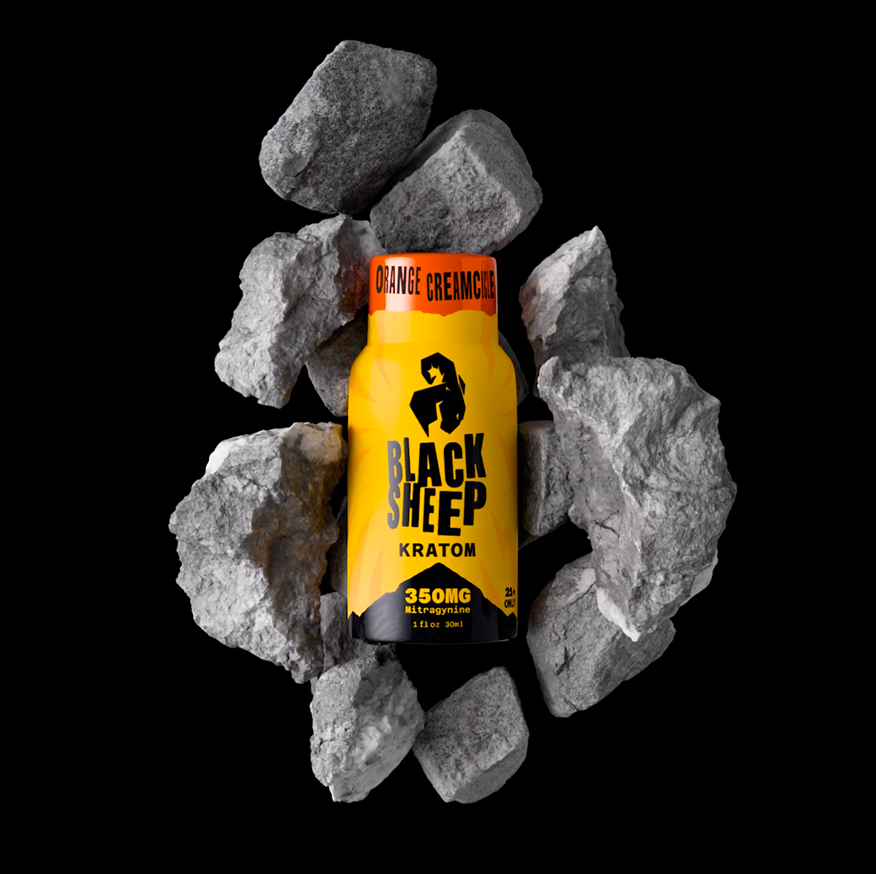
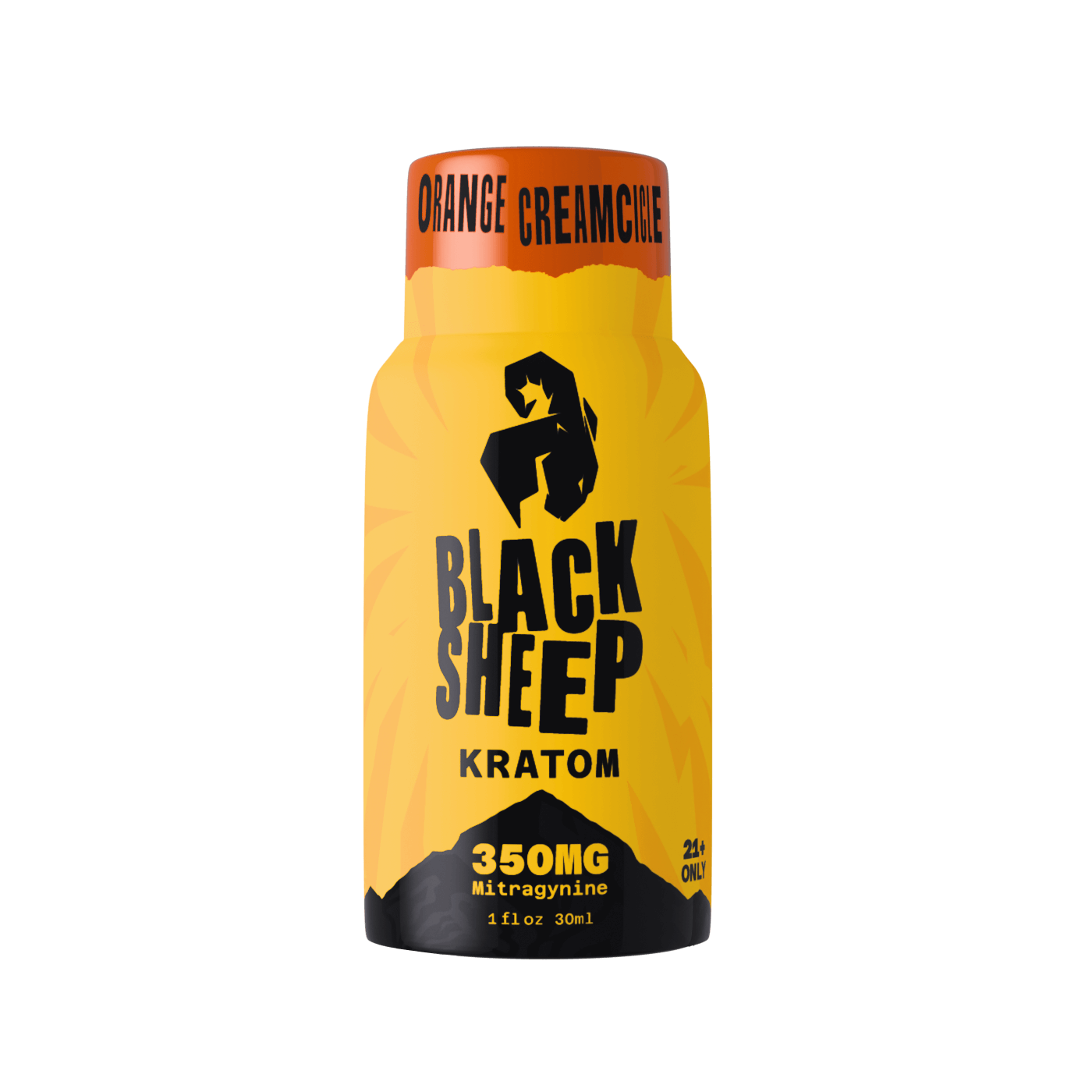
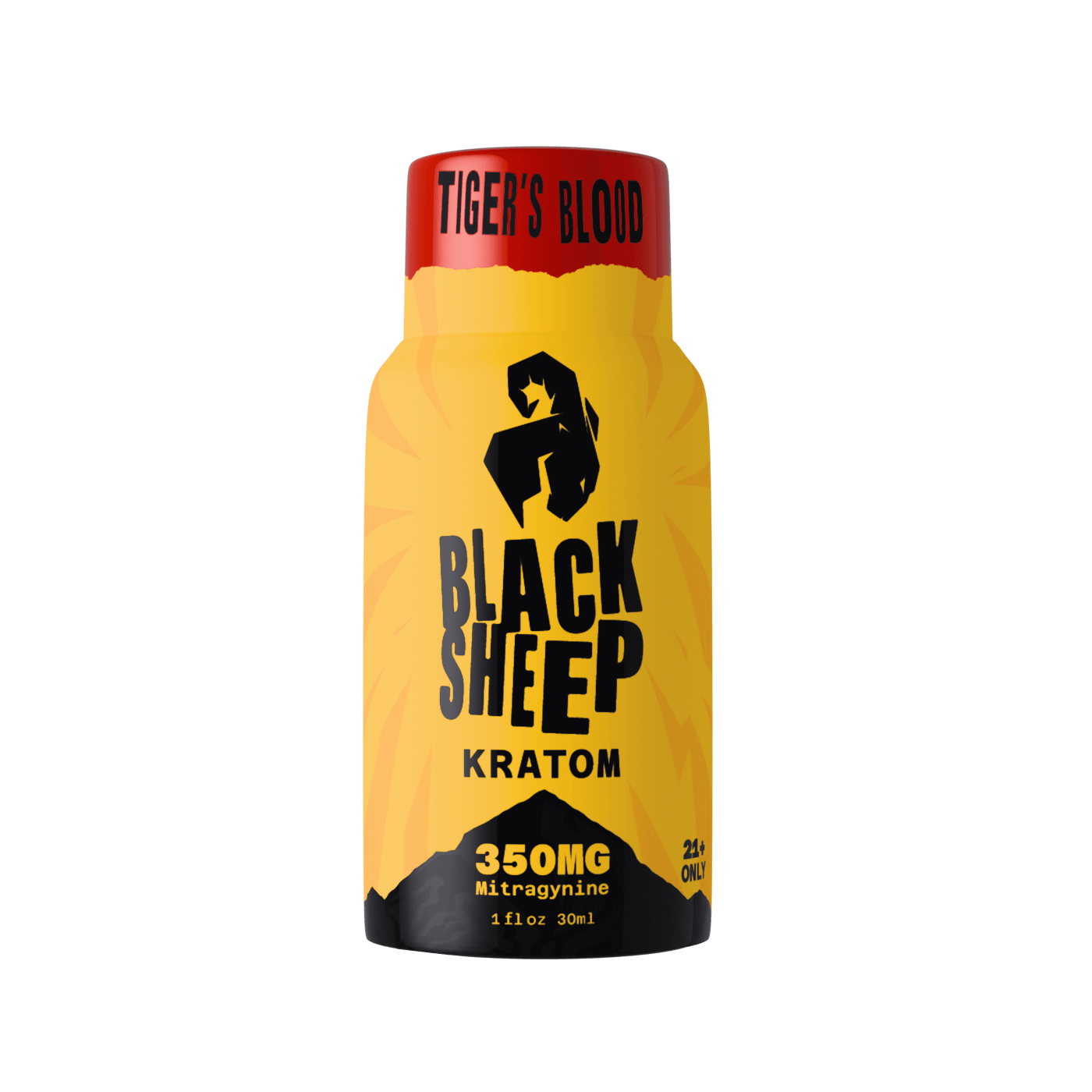
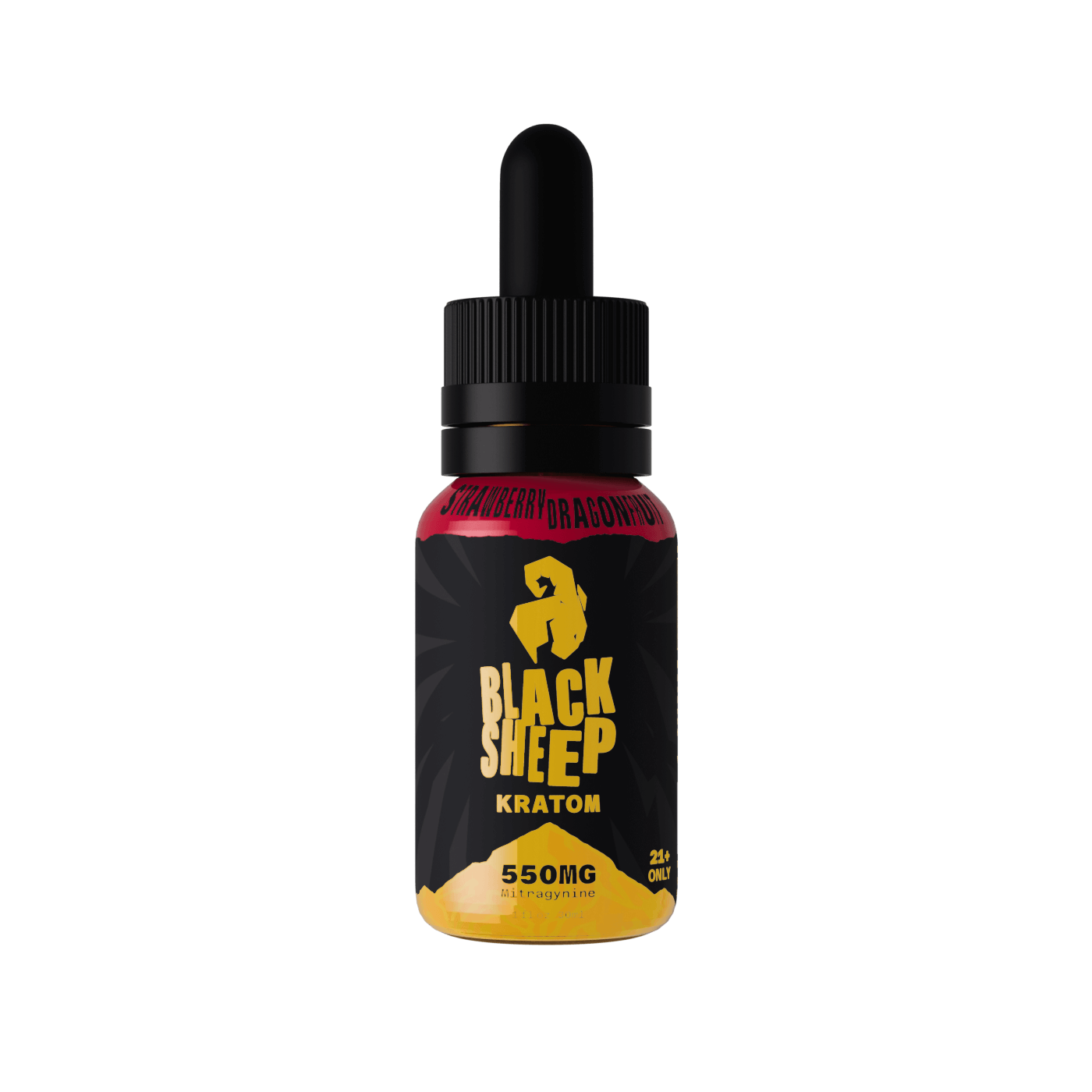
If you’re interested in a kratom-driven adventure, get the most out of the journey with Black Sheep Kratom. Our extracts are consistent, tested, and labeled with a full breakdown of alkaloids. We source from trusted Indonesian processors, with US extraction done in small batches to get an unmatched level of control over the final product.
If you're going to choose kratom, choose one that's actually consistent and made with trusted, high-quality ingredients chosen to elevate the experience.