









March 26, 2026
Kratom vs. Coffee: The Differences and (Surprising) Similarities

Table of Contents
KEY TAKEAWAYS
- Coffee and kratom are both plants that come from the Rubiaceae family and produce energizing effects through alkaloids, caffeine in coffee and mitragynine in kratom, but they act via different biological mechanisms.
- Caffeine works quickly by blocking adenosine receptors, causing a fast boost of energy with common side effects like jitters, anxiety, and sleep disruption.
- Mitragynine acts more gradually as a partial agonist at opioid and adrenergic receptors, leading to dose-dependent effects ranging from stimulation to relaxation without typical caffeine side effects.
What do you turn to for your daily boost of energy? It's fair to say that coffee has a bit of a stranglehold on the world. 73% of Americans drink coffee daily, bringing the US’ estimated consumption to a whopping 400 million cups a day.
But there is a growing number of people who’d prefer their energy without caffeine. These black sheep have found a different daily lift: kratom. With the right serving size, this plant offers a jitter-free social spark, sharpened focus, and functional energy.
Coffee’s caffeine and kratom’s mitragynine are two naturally stimulating compounds, both of which humans have relied on for millennia. Yet, these two compounds couldn’t be more different in the way they produce these effects. If you're wondering which is right for you, you've come to the right place. Let's get into everything there is to know regarding kratom vs. coffee.
Kratom and Coffee: Unlikely Cousins
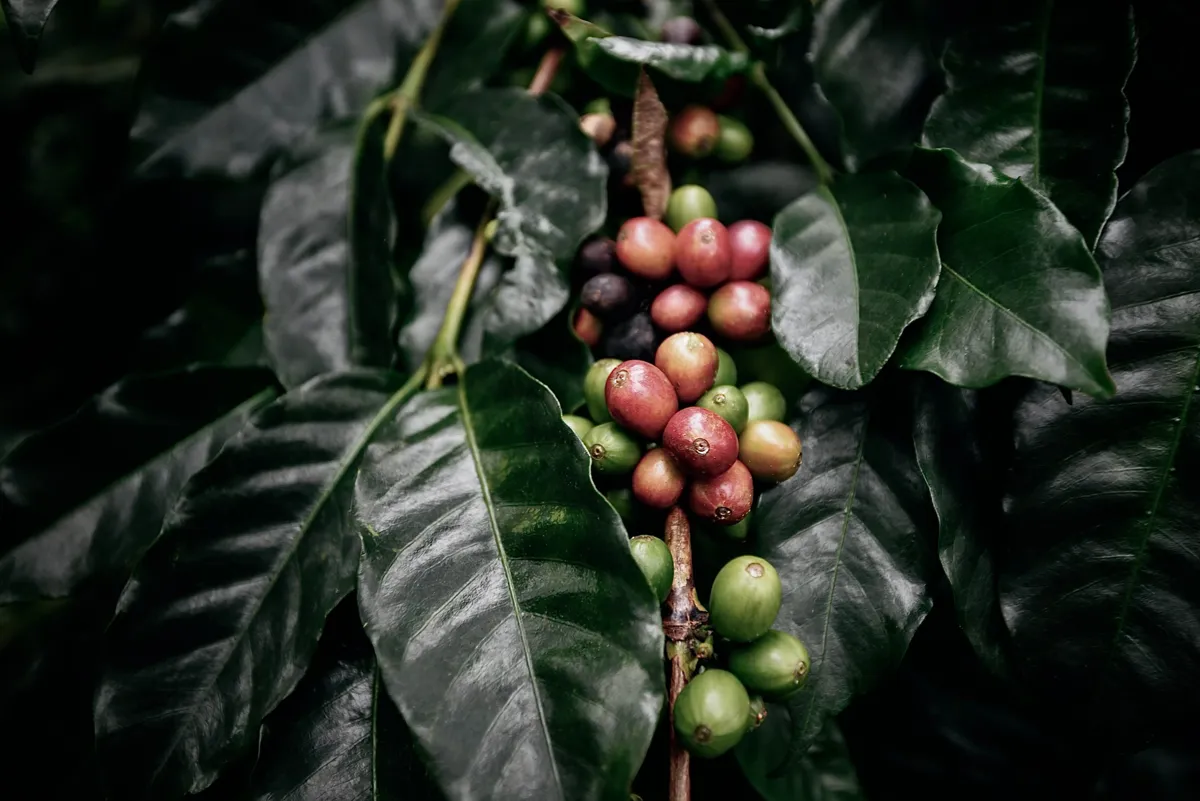
Even if you've already heard about coffee and kratom, it’s a little-known fact that they’re actually related.
Kratom (Mitragyna speciosa) and coffee (like Coffea arabica and Robusta) are both part of the same big plant family: Rubiaceae.
But considering this is a massive family of 14,200 species and counting, these two plants are more like distant cousins than siblings. Kratom belongs to the Mitragyna genus, and coffee to the Coffea genus.
And while this isn’t true for all members of the Rubiaceae family, it's interesting that coffee and kratom share similar effects and a bitter flavor profile. Part of this is because both contain alkaloids, plant compounds that produce stimulating effects.
Although, as we are going to get into, they do so through very different biological mechanisms.
They Both Produce Effects By Alkaloids

The common thread between kratom and coffee lies in the natural compounds they each produce: alkaloids.
If you’ve never heard of them before, alkaloids are naturally occurring nitrogen-containing compounds found in plants. The caffeine in coffee and mitragynine in kratom are both classic examples of plant alkaloids.
There are tens of thousands of distinct alkaloids out there in the plant kingdom. Not all are as interesting as kratom, but many do trigger a physiological reaction (aka the post-coffee buzz or the clean, energizing lift post-kratom).
What also unites many of the commonly used alkaloids is their distinctly bitter taste. Coffee, tea, cacao, medicinal infusions, and kratom are just a few of the places you may have encountered that telltale bitterness.
Coffee, The World’s Favorite Stimulant

Alkaloid: Caffeine
Mechanism: Antagonist at adenosine receptor sites
Effects: Boost of energy, rapid onset, short duration
Side effects: Jitters, anxiety, sleep disruption
Coffee is the most widely consumed beverage in America. It even beats out bottled water. Its beloved energizing effects are due to the alkaloid caffeine, which blocks adenosine receptors in the brain.
Adenosine is a chemical our bodies naturally produce that builds up throughout the day, eventually telling our mind and body to slow down and fall asleep. Caffeine is an antagonist, or a blocker, of the adenosine receptor sites, which means our internal trigger telling us to wind down isn’t as strong.
As the chosen wake-up juice for most of America, coffee works fast, but the come-down is equally rapid. Many people have experienced the post-coffee crash firsthand. Just as quickly as the alertness comes on, the slump follows. Beyond the crash, caffeine is also tied to side effects like the jitters, the rush of anxiety, and, for some, bouts of sleeplessness later at night.
For most people, their daily cup (or two or three) of coffee has become a daily negotiation. How much can they drink without crossing the line into anxiety or wrecking their sleep?
Mitragynine, Kratom’s Primary Alkaloid

Alkaloid: Mitragynine (and dozens more)Mechanism: Partial agonists at µ‑opioid receptors, adrenergic receptors, and moreEffects: Dose-dependent (stimulating at lower servings, relaxing at higher servings)Side effects: Nausea, dizziness, dependency with heavy use
Then we have kratom. This tropical plant was used across Southeast Asia for thousands of years as both a daily source of energy and a traditional medicinal plant.
Where caffeine is a receptor activity blocker, mitragynine is an activator. Or, in scientific terminology, it's a partial receptor agonist rather than an antagonist.
Although it works at a few receptor points, kratom’s clean energy capabilities primarily come from its effects on adrenergic receptors, with mood-lifting support from its activation of opioid receptors.
What makes mitragynine particularly interesting is that its effects are dose-dependent. At lower servings, most people describe it as stimulating. It lights a social spark and a steady output of functional energy. But if you increase the serving size, the experience shifts toward something more relaxing, melty, and body-focused.
That range is part of what makes kratom a different kind of conversation than coffee. It isn't a straight stimulant. It's far more nuanced than that.
What about side effects? Kratom doesn’t contain caffeine, and because of that, it also doesn’t come with the jitters, a spike in anxiety, or issues with sleep. But there are still known side effects, including nausea and dizziness — especially for newbies dabbling with higher servings. And like with caffeine, regular heavy use of kratom can lead to dependency over time.
How Caffeine and Mitragynine Work Differently

When we take a look beneath the hood of what makes kratom and caffeine tick, how do they each create their similar, but entirely unique effects? Here is how kratom’s alkaloid mitragynine and coffee’s caffeine both feel energizing, but through different mechanisms of action.
Brain & Body
Caffeine works by blocking adenosine receptors, which is usually how the brain gradually brings us into a state of rest at the end of the day.
Mitragynine takes a different route in an entirely different system. It acts as a partial agonist at opioid receptors and also across the adrenergic system. The latter is the same system through which adrenaline works, influencing alertness, focus, and physical readiness.
Experience
Caffeine produces a sharp, fast spike in alertness. You’ll probably feel it within minutes. But this rapid onset can also feel a bit aggressive, with common side effects being jitteriness and anxiety.
Mitragynine’s effects come on more gradually. You may hear people say the onset of energy feels smoother and less abrupt, without the sharp edge caffeine is known for. What’s more, it’s also paired with all those delightful effects at the opioid receptor sites, which can help round out the edges with a mood lift.
Duration
With coffee, the perceived effects usually last between three and seven hours, while the less noticeable pharmacological effects can last upwards of a full day.
That's because caffeine has a half-life- the amount of time it takes for half the dose to leave your system- of 6 hours. So 6 hours after you consume that cup of joe, half the caffeine lingers in your system, blocking your adenosine receptors and preventing you from getting sleepy. This may be why some people can’t have caffeine at all, because even one cup impacts their sleep schedule.
Mitragynine, on the other hand, has a much longer half-life than caffeine. One study showed the molecule's half-life was about 23 hours long. But the perceived effects generally last for four to six hours. Importantly, despite mitragynine’s long half-life, there are usually no lingering effects on sleep because it acts through different mechanisms.
As with any plant-based molecule interacting with a biological system like the human body, expect a huge range of variation from one person to the next. Take the above with a grain of salt, because everybody and every circumstance will be different.
Side Effects and Tolerance
No matter how fun and productive something is, nothing comes without the risk of side effects. Both caffeine and kratom might be generally mild-mannered and well-behaved for most people, but it’s worth getting to know their side effect profiles:
Coffee (Caffeine)
Regular coffee drinkers will already know the drill. It's the racing heart, the afternoon comedown, and the headache that shows up when you skip your morning cup (aka, withdrawal).
Some might even get a moment of shaky jitters with their second or third cup of the day. With caffeine, tolerance builds quickly, and for many people, daily use becomes more about maintenance than enjoyment.
Kratom (Mitragynine)
Now, it’s kratom’s turn. This plant and its alkaloid also come with their own set of side effects. Nausea and dizziness are the most commonly reported side effects, particularly with higher doses or frequent use. Just like with coffee, tolerance and dependence also come into play with kratom. So, the same responsible use principles apply here as well.
The good news? If you enjoy coffee or kratom thoughtfully and intentionally, most people do just fine.
Coffee vs. Kratom: Practical Differences

Sometimes it's easiest to compare two experiences side by side. If you want to see how caffeine and kratom stack up, here are their fundamental differences:
| Kratom | Coffee | |
| Common formats | Powder Capsules Shots Tinctures | Brewed beverage in an endless number of variations |
| Effects | Socially stimulating Slow building lift Clean energy Stimulating at lower servings, relaxing at higher servings | Fast and sharp Focus-enhancing Jittery energy Stimulating across the board, more feels increasingly intense |
| Duration | Slower at the onset, but the effects tend to linger longer No crash at the end | Fast onset Boost fades quickly, but sleep-disrupting effects linger A noticeable comedown at the end |
| Social acceptance | Less known in the US, but acceptance is growing | Widely accepted |
| Legal Status | Federally unregulated, varies by state | Legal |
Kratom vs. Coffee: Two Paths for Energy
Kratom and coffee are like two different versions of a motivating experience. But thanks to different plant alkaloids, they work through distinct internal channels to produce their own forms of energy. There is no one-size-fits-all right choice- only what's right for you.
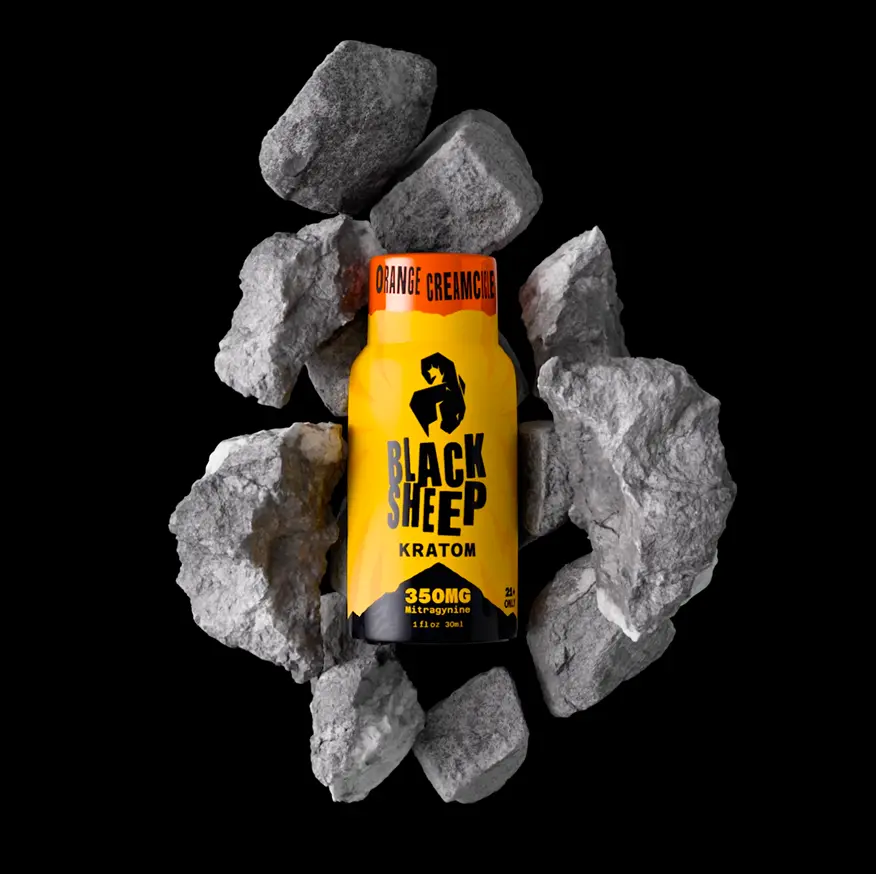
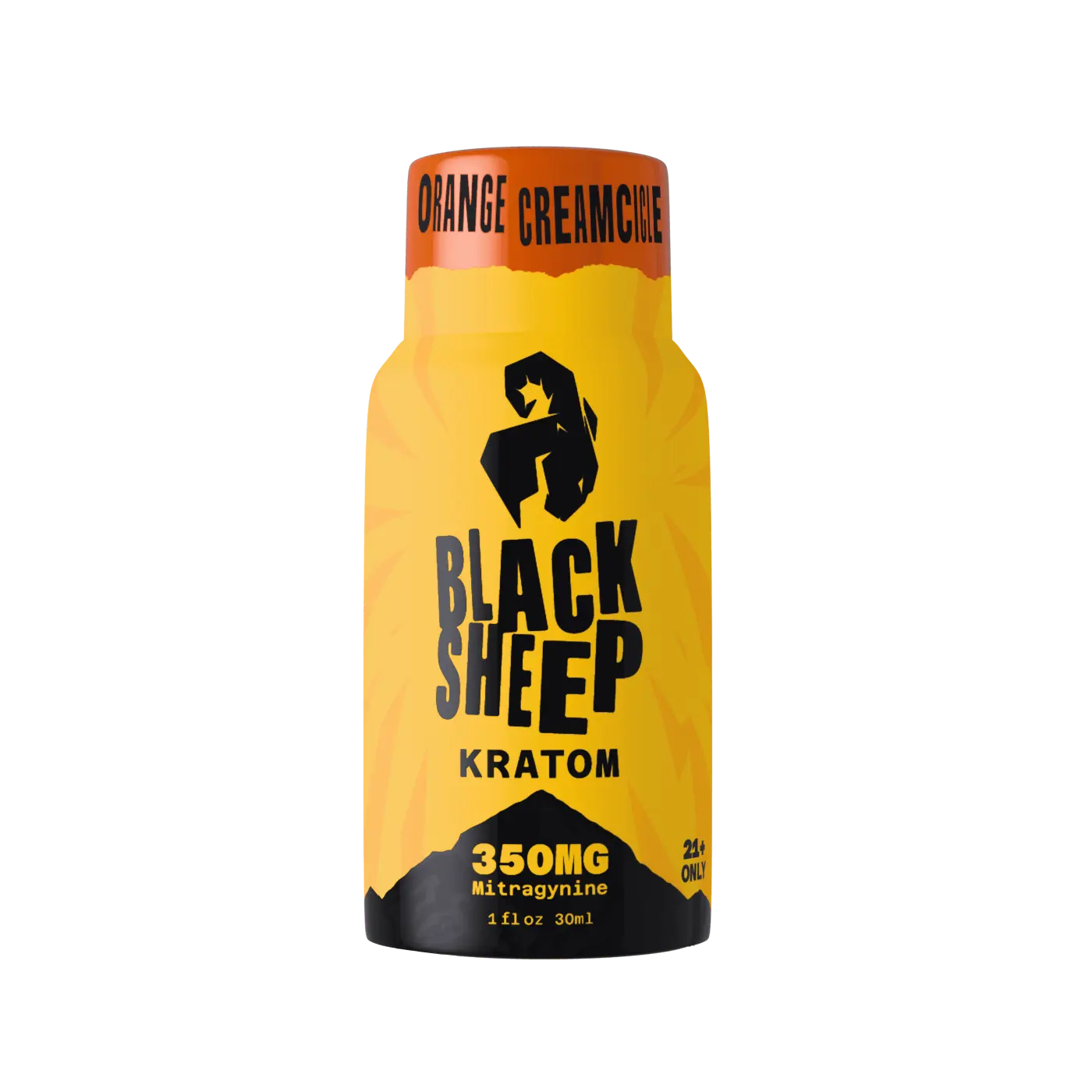
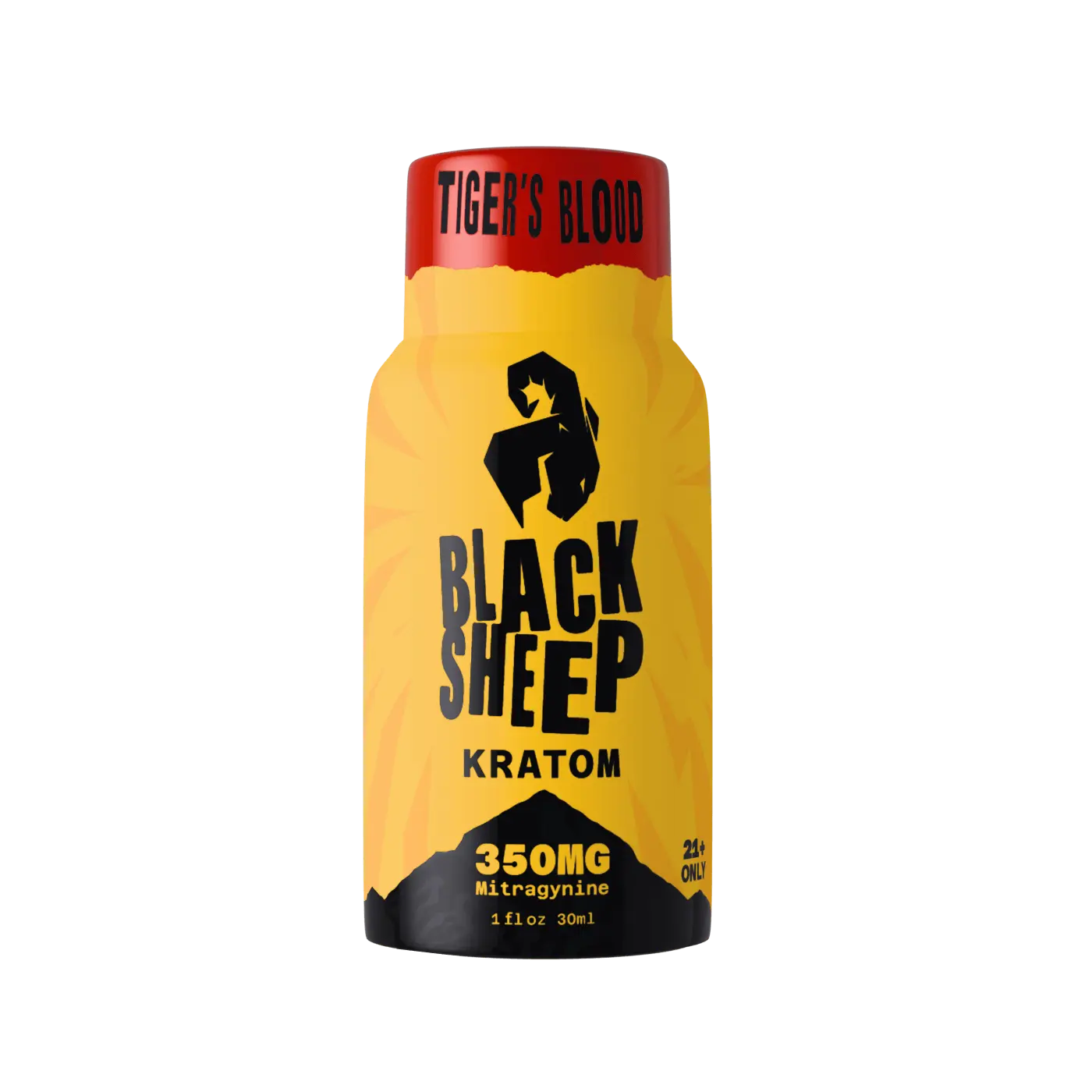
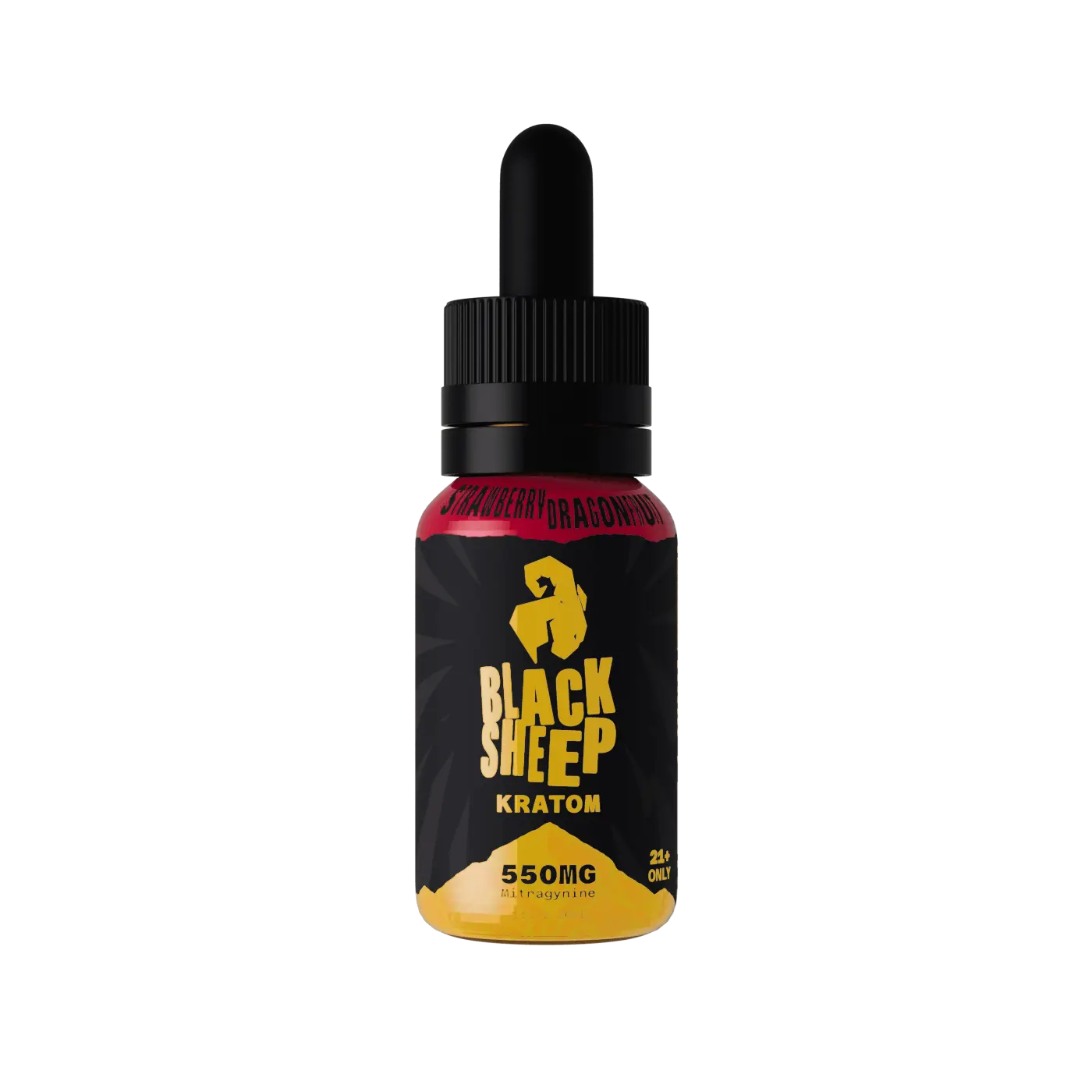
At Black Sheep, we specialize in sourcing, producing, and formulating functional, clean energy from kratom. We care about where it comes from, how it's extracted, and what ends up in our final product. Black Sheep's Kratom Shots and Tinctures offer motivating, steady daytime lift — and infinite possibilities.
Does kratom have caffeine?
No. Kratom does not contain caffeine. Its lifted effects come instead from its primary alkaloid, mitragynine.
Can You Take Caffeine and Kratom Together?
Remember when we suggested responsible use of both coffee and kratom? It applies here as well.
Sure, plenty of people stack a serving of caffeine and a serving of kratom for a double-dose of energy, but it complicates things. Effects become unpredictable, including the side effects.
From a safety standpoint, until you are familiar with the effects, serving sizes, and duration of each option, keep them separate.
Which Is “Stronger”?
If you need a big dose of energy to get you through the day, what should you reach for? Is kratom or coffee stronger?
This is a hard question to answer because, while coffee vs. kratom is a frequent comparison for their similar energizing effects, they do this work through very different systems.
Coffee is a psychostimulant that increases alertness and reduces fatigue by acting on adenosine receptors, without engaging the opioid system.
Kratom can feel “stimulating” at lower doses, but it’s much better described as an opioid receptor activator. Yes, it also dabbles in the adrenaline system, but this is secondary.
Kratom and caffeine act on different systems and are not directly comparable milligram to milligram. What works for you and, most importantly, what feels the best, will depend on body chemistry, serving size, and personal tolerance.
FDA Disclaimer
These statements have not been evaluated by the Food and Drug Administration. The efficacy of these products has not been confirmed by FDA-approved research. These products are not intended to diagnose, treat, cure, or prevent any disease. All information presented here is not meant as a substitute for or alternative to information from health care practitioners. Please consult your healthcare professional about potential interactions or other possible complications before using any product. The Federal Food, Drug, and Cosmetic Act requires this notice.SUBSCRIBE & SAVE
First time customers only


These statements have not been evaluated by the FDA and are not intended to diagnose, treat or cure any disease. Always check with your physician if you are taking prescription medication before starting a new dietary supplement.