







March 13, 2026
Kratom vs. Cannabis: The Differences You Need to Know

Table of Contents
KEY TAKEAWAYS
- Kratom is not the same as cannabis, and it does not contain THC or CBD.
- The active compounds in kratom and cannabis (mitragynine and THC, as examples) produce effects through different channels.
- Unlike cannabis, kratom has no federal regulation, though both are subject to varying state-level laws.
You might have noticed that kratom and marijuana are often discussed (and sold) in similar spaces, be it in an online forum or a smoke shop.
"Does kratom have THC? Is Kratom like weed?" Maybe these questions have crossed your mind before as you explore which might be right for you.
But let’s set the record straight: they're not the same plant. People may reach for both products for overlapping reasons, sure, but kratom is definitely not weed.
Still, the question remains: what is the difference? Kratom and cannabis have important distinctions you should know about before choosing or combining them, so let’s get to the bottom of the kratom vs. marijuana debate. Below, we go into the chemistry, the legality, and the larger conversation around both.
Kratom vs. Cannabis: The Core Distinction
TLDR: Kratom and cannabis are entirely different species of plants with distinct active compounds. Kratom contains alkaloids, like mitragynine. Cannabis contains cannabinoids, like THC and CBD.
These molecules work through different systems in the body, with some overlap in perceived effects (such as physical relief and mood), but biologically speaking, they provide distinct experiences.
Of course, there is a lot more to the story than just this very surface-level comparison. So, let’s get into it.
What Is Kratom?

Kratom (Mitragyna speciosa) is a tree native to Southeast Asia that has a long history of use across Indonesia, Thailand, and Malaysia. In this neck of the woods, people have chewed its leaves for millennia to power through long days in the field.
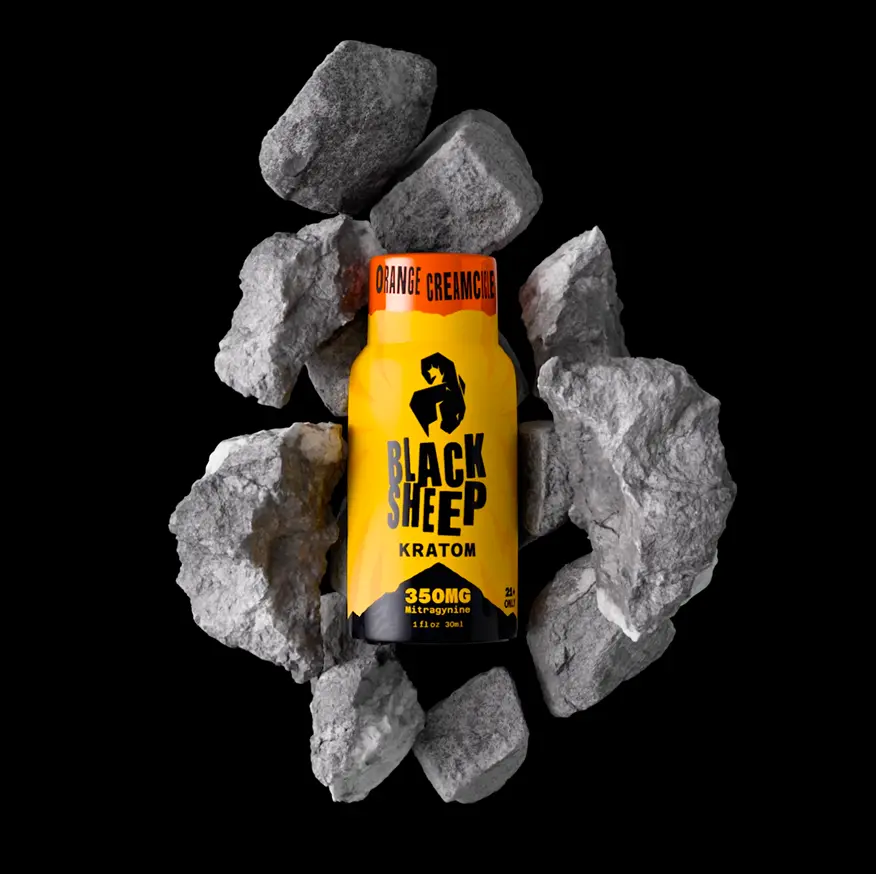
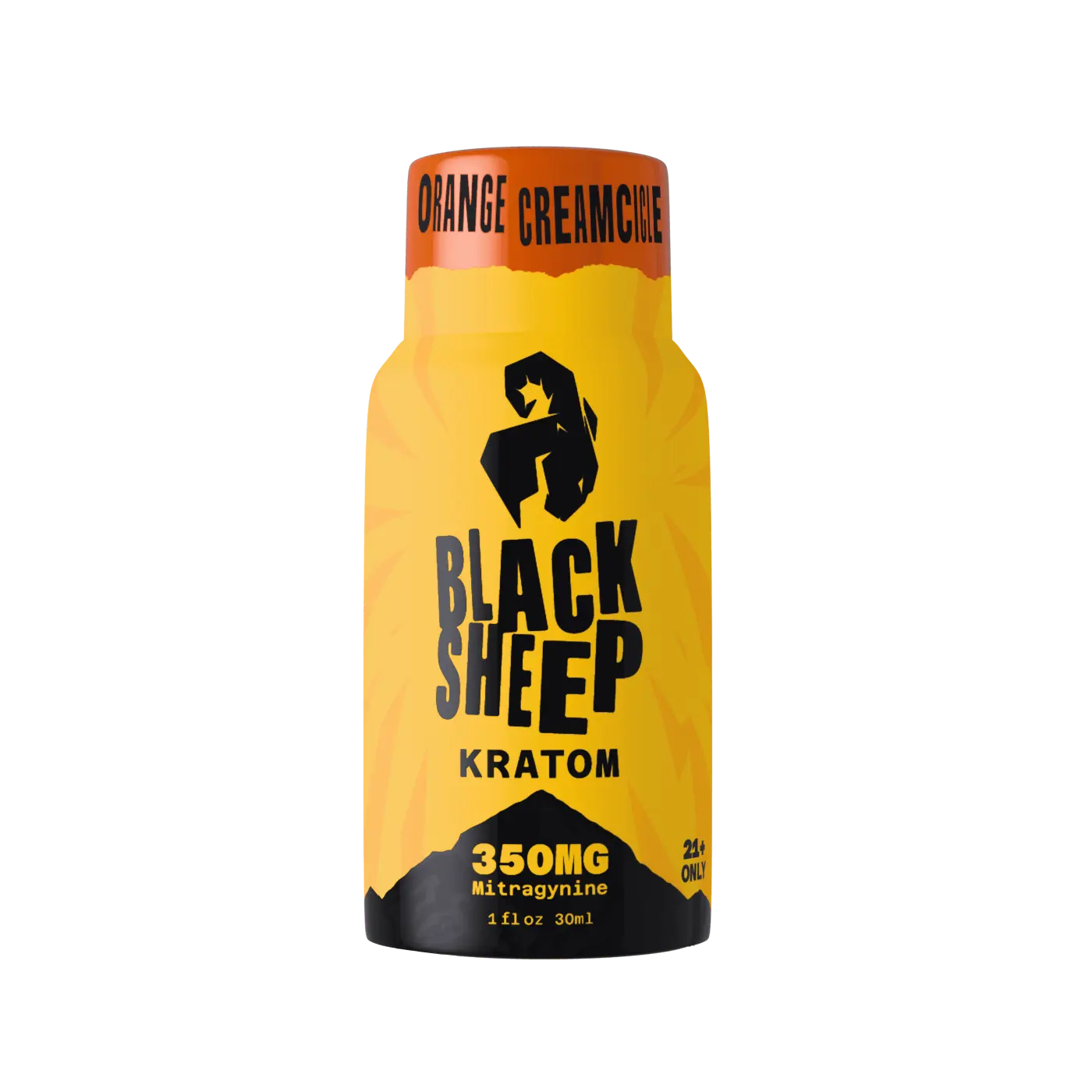
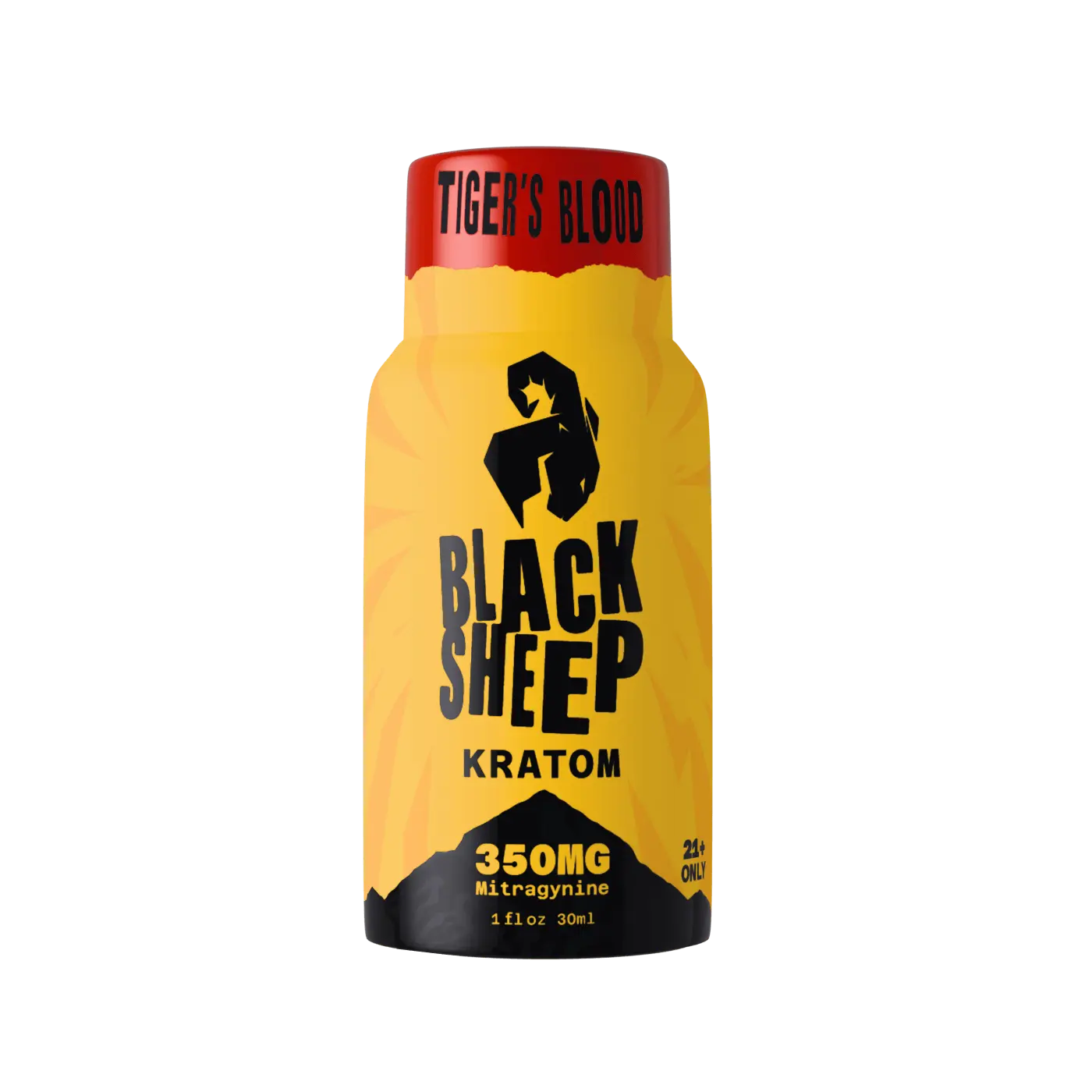
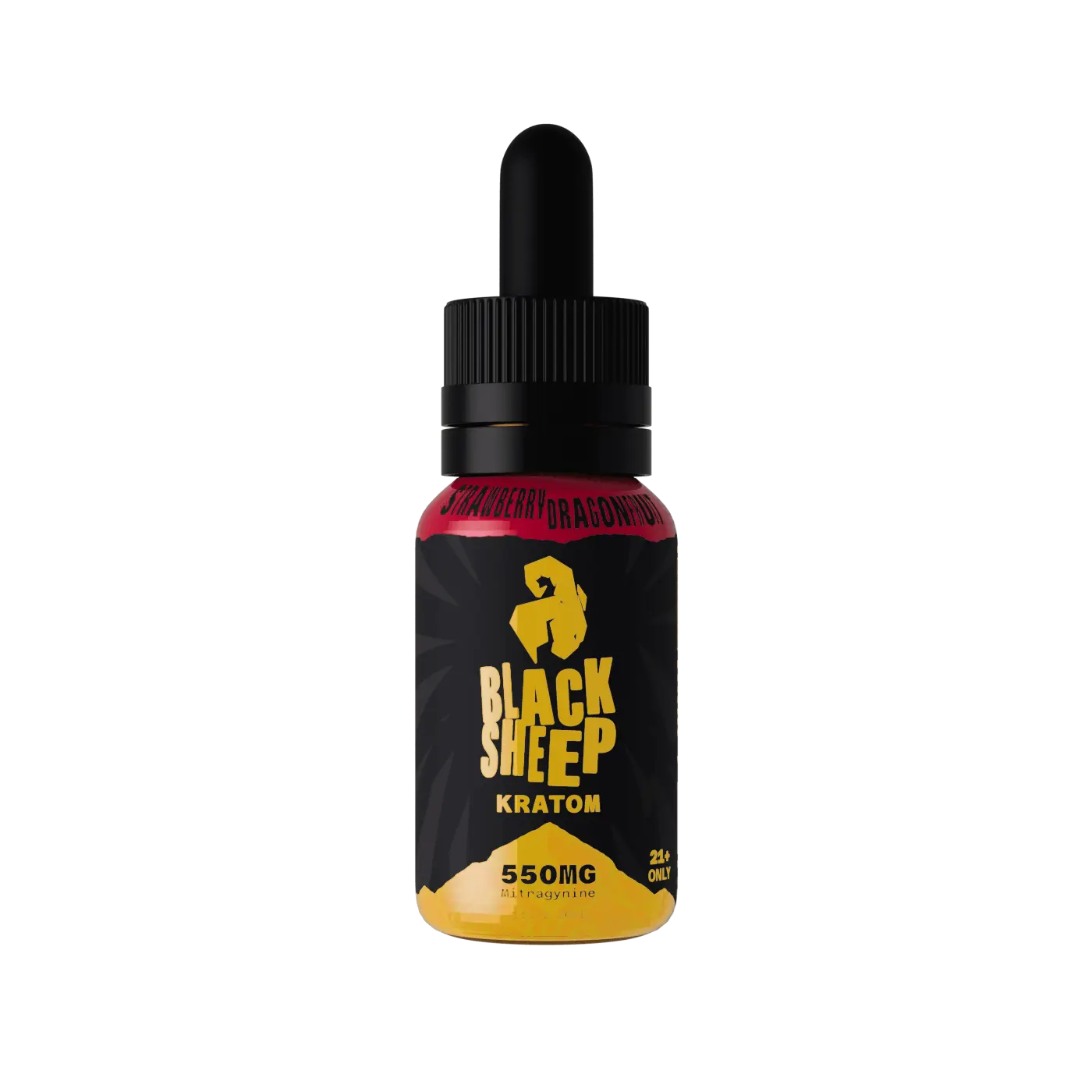
There are over 40 alkaloids found in kratom leaves, but two do the heavy lifting: mitragynine and 7-hydroxymitragynine. Today, kratom comes in a variety of formats, including whole leaves, powder, and liquid extracts like kratom shots.
It’s the alkaloids (especially the most prevalent ones, mitragynine and 7-hydroxymitragynine) that produce the broad spectrum of kratom’s effects. Smaller servings of kratom are a source of mood-boosting, social energy with gentle stimulation, while larger servings produce deep relaxation and penetrating relief.
And just in case there is still confusion, kratom is not related to cannabis. It's a different plant species with different active compounds. That means kratom does not contain THC, CBD, or any other cannabinoids.
What Is Cannabis?

Cannabis (Cannabis sativa L.) is a plant species that originated in East Asia, with thousands of years of history as a medicinal and spiritual ingredient across China, India, Greece, and elsewhere.
Commonly called weed, pot, and even marijuana, the cannabis plant contains hundreds of active compounds. This includes over a hundred known cannabinoids, like THC and CBD, which are the two biggest players. These compounds produce a sense of euphoria, relaxation, and mood-lift.
Different strains of cannabis contain slightly different makeups of cannabinoids and other compounds like terpenes and flavonoids. Strain profiles are like unique fingerprints, producing nuanced experiences from one strain to the next. For example, one strain might feel sleepier, while another might feel more social.
Today, in the U.S. and elsewhere, cannabis is divided into two regulatory camps: marijuana and hemp. Under this classification, marijuana contains over 0.3% THC, and hemp is everything below that threshold. Although both hemp and marijuana are technically from the very same species, from a regulatory perspective, they are treated very differently. Hemp is legal at the federal level, while marijuana is not (although marijuana is increasingly legalized at the state level).
Mitragynine vs. THC: The Key Players

If you really want to compare these two plants, we first have to make sure we are comparing apples to apples. All too often, people are researching "kratom vs. THC" or "kratom vs. delta 9," when this isn’t quite the right way to go about it.
This stacks a plant up against a molecule rather than doing a like-for-like comparison.
If you’re trying to understand how these plants are going to affect you, you gotta look at their core actives, which means we should be looking at mitragynine vs. THC because both are isolated compounds, and the main ones responsible for these plants' psychoactive effects, making for a more helpful comparison.
On the one hand, we have tetrahydrocannabinol (THC), the most prevalent intoxicating cannabinoid in cannabis. It is the main one responsible for the euphoric, mood-lifting, and relaxing effects. It works by activating the CB1 receptors in the brain, part of the broader endocannabinoid system.
On the other hand, we have mitragynine, the main alkaloid in kratom. Instead of acting through the endocannabinoid system via cannabinoid receptors, it exerts its effects through the opioid and adrenergic systems.
Is Kratom Like Weed? Comparing the Experience

Kratom and cannabis often get thrown into the same category. But if you've tried one or the other, you should know their experiences are very different.
Cannabis, in general, feels euphoric and relaxing. A typical high is characterized by an altered sense of time and enhanced perception of music, flavors, touch, and other sensations. Of course, there are differences between strains and dosage matters, but the underlying effects are a pleasant mental fuzziness and bodily relaxation.
Then we have kratom. Unlike with cannabis, people report that (especially with smaller servings) it feels like a much clearer-headed experience. When used responsibly, kratom doesn’t cloud the mind, and the experience feels more functional.
But the interesting thing about kratom is that the effects really shift with serving size. With a smaller serving, most people say it's stimulating and social, but as the serving increases, kratom gradually becomes more physically relaxing.
Kratom vs. Cannabis: a Conversation About Pain

Cannabis and kratom can both show up in discussions about pain. There are many people who turn to plants, including cannabis and kratom, for relief, although the effects from these plants come from entirely different biological mechanisms.
When it comes to cannabis, the active compounds are cannabinoids, which interact with the endocannabinoid system, specifically CB1 and CB2. When cannabinoids influence receptor activity, they impact everything from inflammatory response to mood to sleep and, yes, the perception of pain.
Then there’s kratom. The alkaloids in kratom are known as mu‑opioid receptor agonists. These are the same receptors through which prescribed pain medications work for similar (if much stronger) effects.
So, while it’s true that people report turning to both cannabis and kratom for pain relief and mood, these plant-derived substances work through very different channels in the body. From a more technical stance, kratom reduces pain signaling, while cannabis softens the sensation of pain.
Legality of Kratom vs. Cannabis

How do kratom and cannabis compare from the regulatory perspective?
Cannabis’ legality is confusing. First, its legal status depends on the source. Hemp, hemp-derived cannabinoids, and hemp products with compliant concentrates of Delta-9 THC are federally legal under the Farm Bill, but marijuana and its derivatives are federally illegal.
Then there is a second layer of cannabis regulations that plays out state by state. Dozens of states have legalized marijuana products for medicinal purposes, with a growing number allowing it as a recreational substance.
Kratom is federally unregulated in the US but also faces a patchwork of state regulations. Several states have banned it outright, including Alabama, Arkansas, Indiana, and Wisconsin. Others, like Arizona and Utah, have adopted the Kratom Consumer Protection Act.
Whether it's kratom or cannabis, it's advised to double-check your local laws before buying.
Combining Kratom and Weed
We’ve treated kratom vs. cannabis like two separate experiences, but it's important to acknowledge that there are people taking both at the same time.
From a safety standpoint, we need to point out the obvious: combining two different psychoactive substances does come with greater risks. Especially with kratom and cannabis, combining the two can lead to unpredictable and unpleasantly intense effects. There also isn’t much (if any) research into what happens when cannabinoids and alkaloids collide.
For anyone reading this who may be new to cannabis, kratom, or any of their many active molecules, a word to the wise: familiarize yourself with each separately, long before you even consider a mash-up.
Sometimes it is better to take the safe road, sticking with one at a time.
Closing Thoughts
Just because you hear kratom and weed mentioned in the same conversation doesn’t mean these two very different plants are chemically alike. Kratom is not marijuana, and it doesn’t contain any cannabinoids.
Instead, kratom is unique from cannabis in many ways, but especially when it comes to the active components — the alkaloids. Kratom produces effects that range from energizing to relaxing relief, but it's frequently said to feel much clearer-headed and more functional than its cannabis companion.
For those trying to decide between kratom vs. cannabis for their next adventure, do your research first, learn the differences, and then explore the possibilities.
Does Kratom Have THC or CBD?
A gentle reminder for the people who skipped the lessons above: kratom does not contain THC, CBD, or any other cannabinoids.
Kratom is totally unrelated to cannabis, and it contains a totally different type of active compounds.
Now you might see some funky stuff like "Kratom CBD" and "kratom THC," so know for certain that those are not naturally occurring substances. If you do happen to find a product out there in the world labeled “kratom THC,” “kratom weed,” or any other confusing combination, this is actually a blended product with two different active ingredients.
If you’re confused about what a product is (or isn’t), review the ingredient listings. You should see kratom and cannabis (THC or CBD) listed separately in the formulation.
While kratom weed products may be a fun time, for safety's sake, you’ll always want to know what substances you're getting into before jumping in.
FDA Disclaimer
These statements have not been evaluated by the Food and Drug Administration. The efficacy of these products has not been confirmed by FDA-approved research. These products are not intended to diagnose, treat, cure, or prevent any disease. All information presented here is not meant as a substitute for or alternative to information from health care practitioners. Please consult your healthcare professional about potential interactions or other possible complications before using any product. The Federal Food, Drug, and Cosmetic Act requires this notice.SUBSCRIBE & SAVE
First time customers only




These statements have not been evaluated by the FDA and are not intended to diagnose, treat or cure any disease. Always check with your physician if you are taking prescription medication before starting a new dietary supplement.