




alcoholic drinks
July 17, 2026

Alcohol and Kratom: The Differences and Interactions Everyone Wants to Know

Jessica McKeil headshot
By Jessica McKeil
Kratom
Comparison
Alcohol
Black Sheep Blog Alcohol and Kratom: The Differences and Interactions Everyone Wants to Know

Table of Contents

KEY TAKEAWAYS
  • Kratom is a Southeast Asian plant with alkaloids that affect opioid, adrenergic, serotonin, and dopamine receptors.
  • Alcohol is a CNS depressant that enhances GABA and suppresses glutamate, causing predictable sedation and impaired coordination.
  • Both kratom and alcohol are metabolized by the liver, although differently; still, mixing them is not recommended and increases risk.
  • Legal status differs: alcohol is federally legal for adults 21+, regulated by states, while kratom's legality varies widely and is volatile.
In the online world, there’s often a lot of comparison between kratom and alcohol (not to mention questions about mixing alcohol with kratom).

Both are considered relatively mild-mannered social elixirs that people often rely on to relax at the end of a long day. What about mixing the two, though—can you drink alcohol with kratom? Is it safe? Experts are unanimous that mixing the two exacerbates the negative effects and increases the risks, but there’s always more to the story.

This article covers everything you need to know about alcohol and kratom on their own, plus what to know about sipping on kratom with alcohol at the same time.

What Is Kratom?

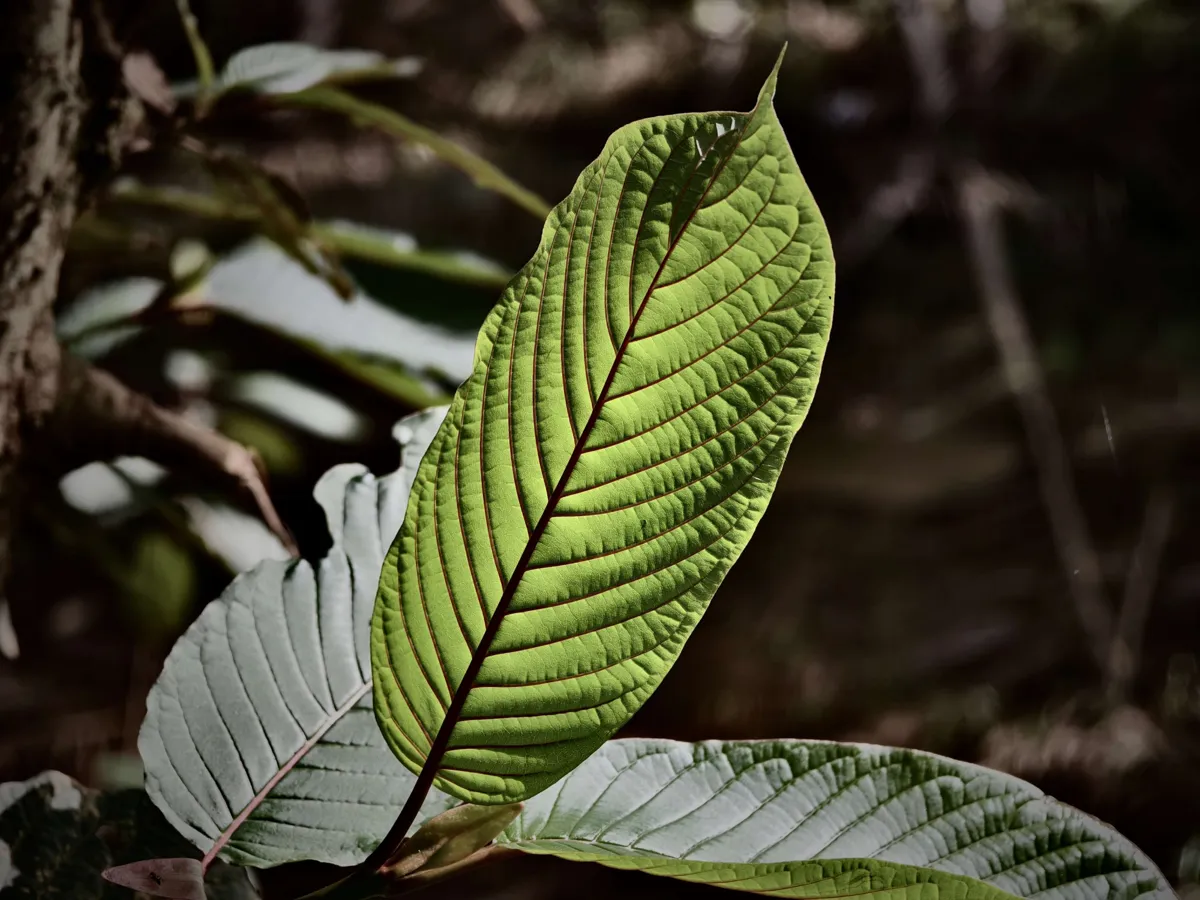
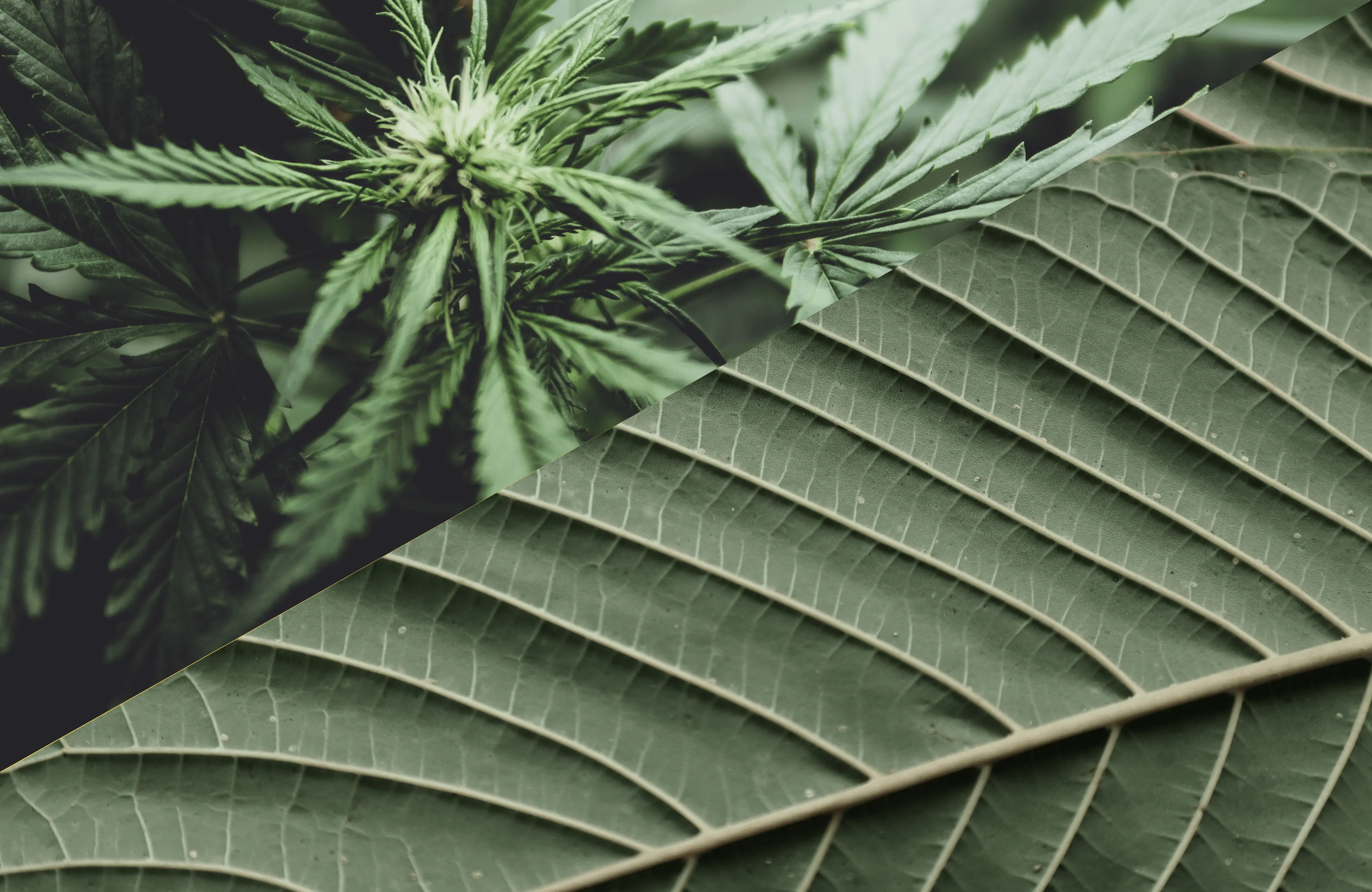
beautiful kratom leaf

Kratom (Mitragyna speciosa) is a Southeast Asian tree that’s native to Indonesia, Thailand, and Malaysia. People have chewed or brewed its leaves into tea for millennia, using its mildly stimulating effects to get through long days of physical work.

These effects come from the 40+ alkaloids found in the leaves, but two alkaloids do most of the work: mitragynine and 7-hydroxymitragynine. These primarily interact with the body's opioid receptors.

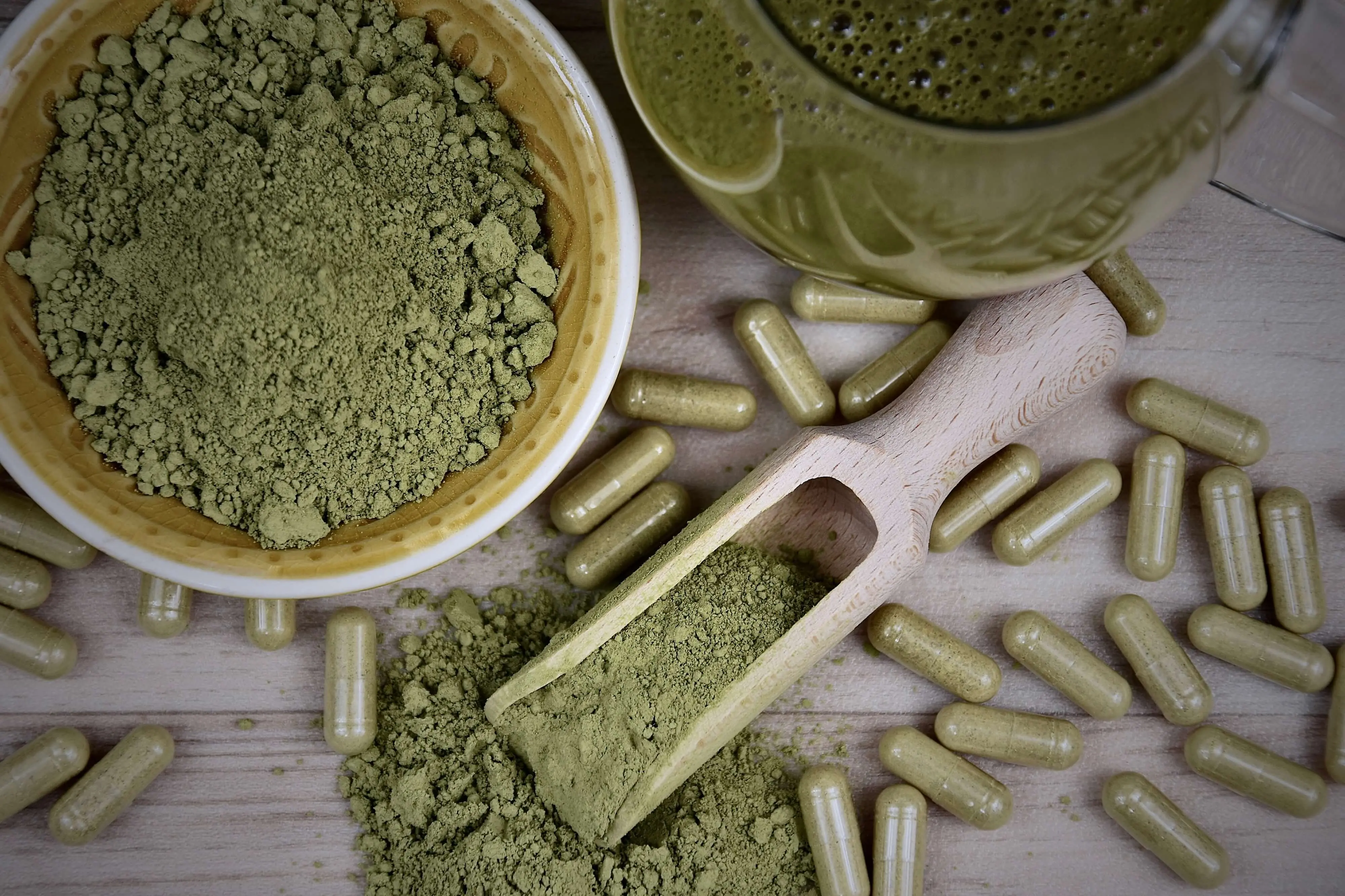
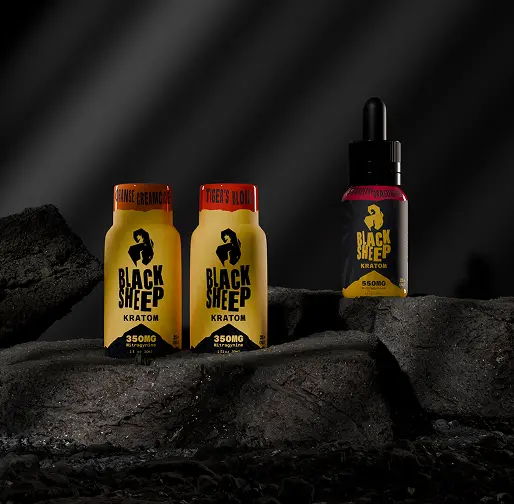
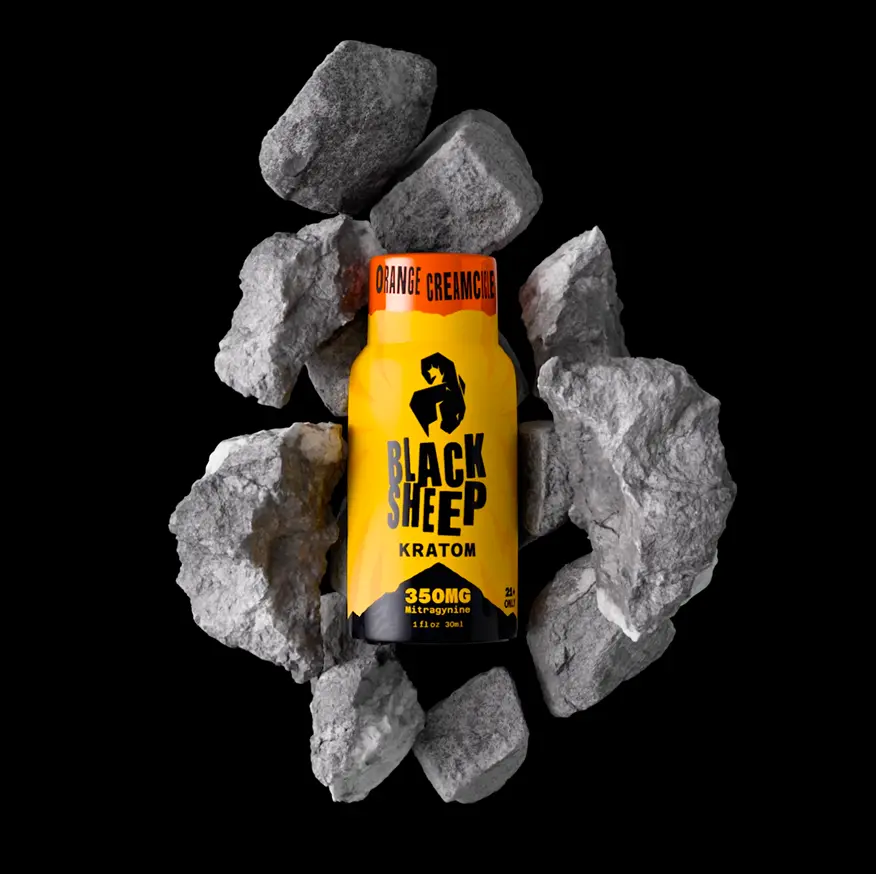
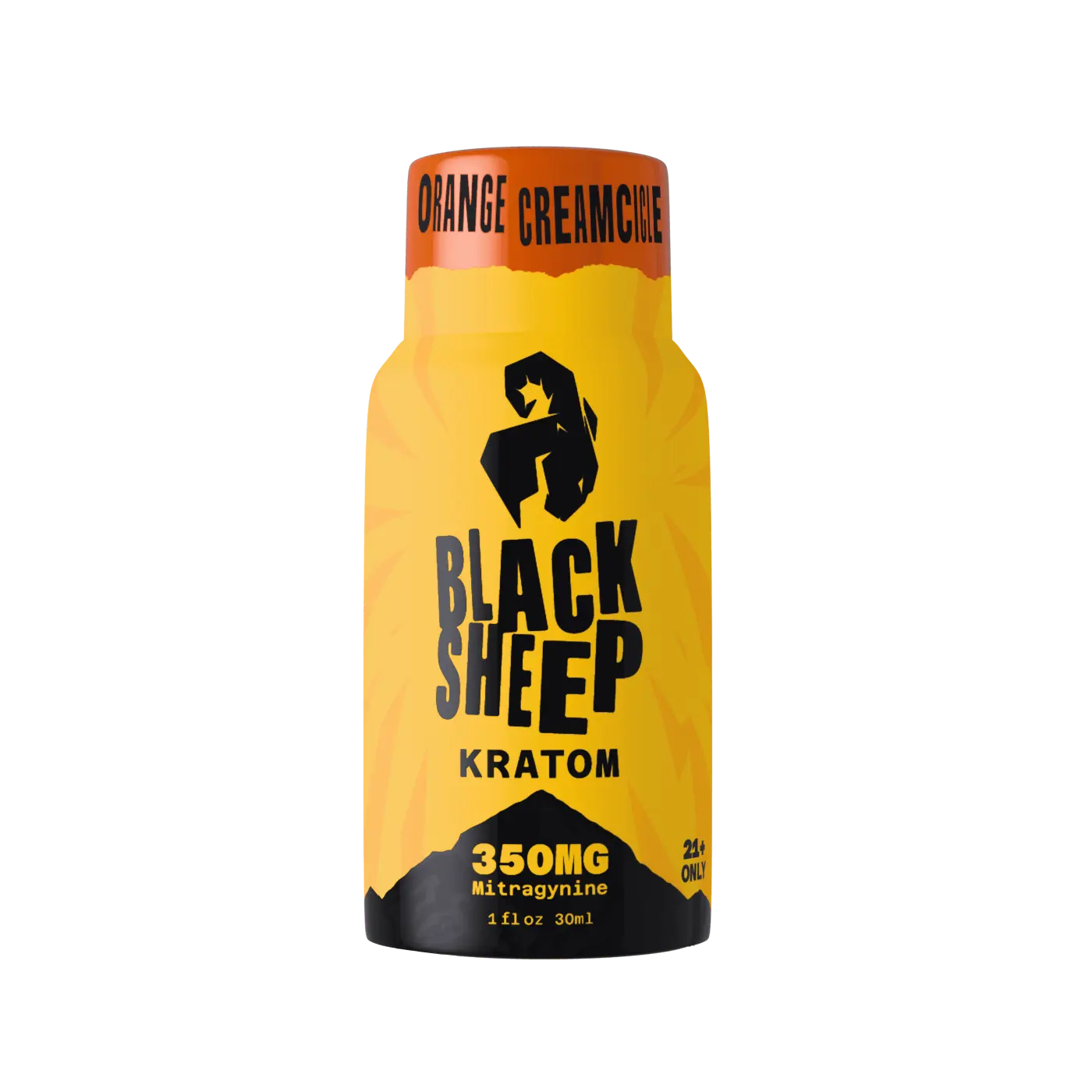
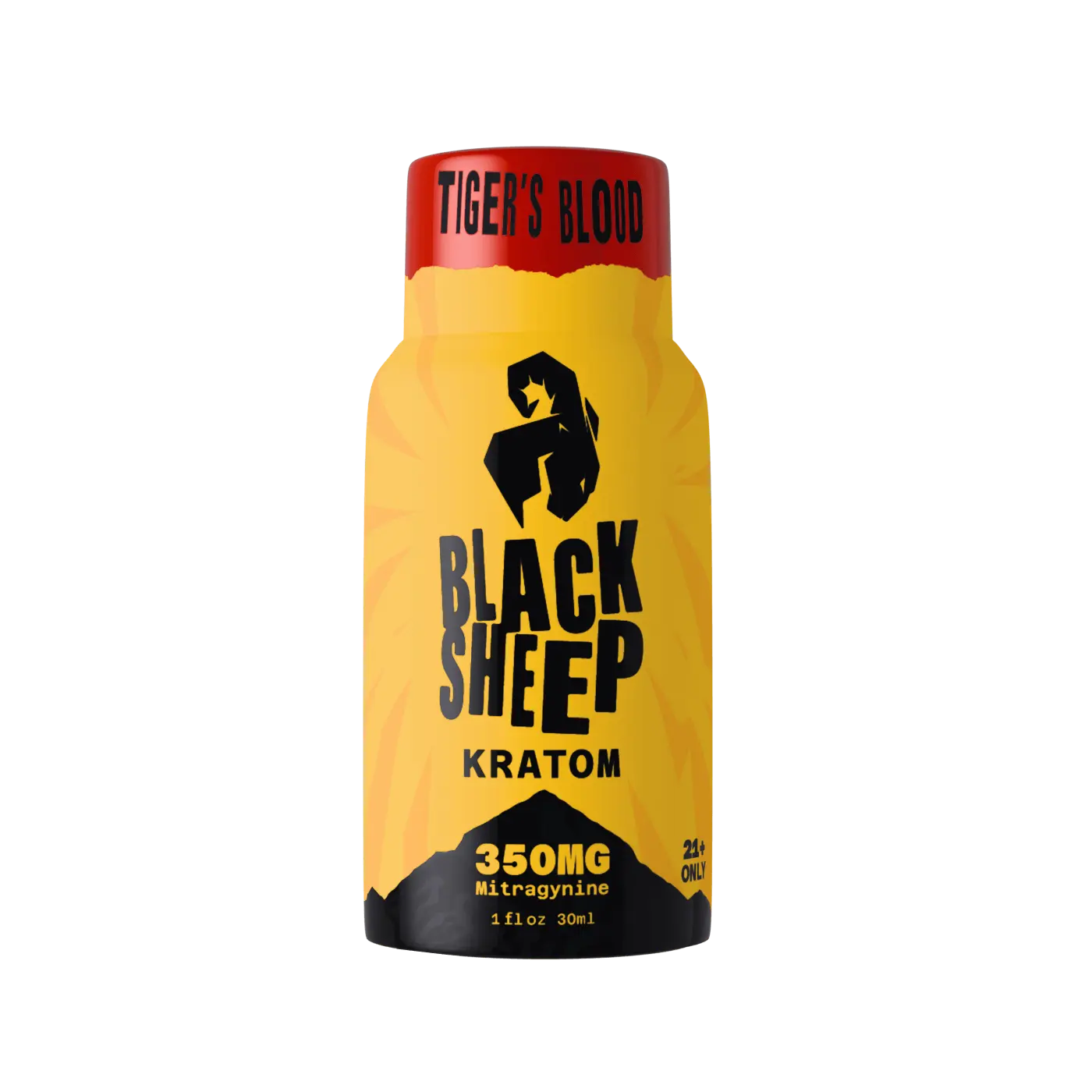
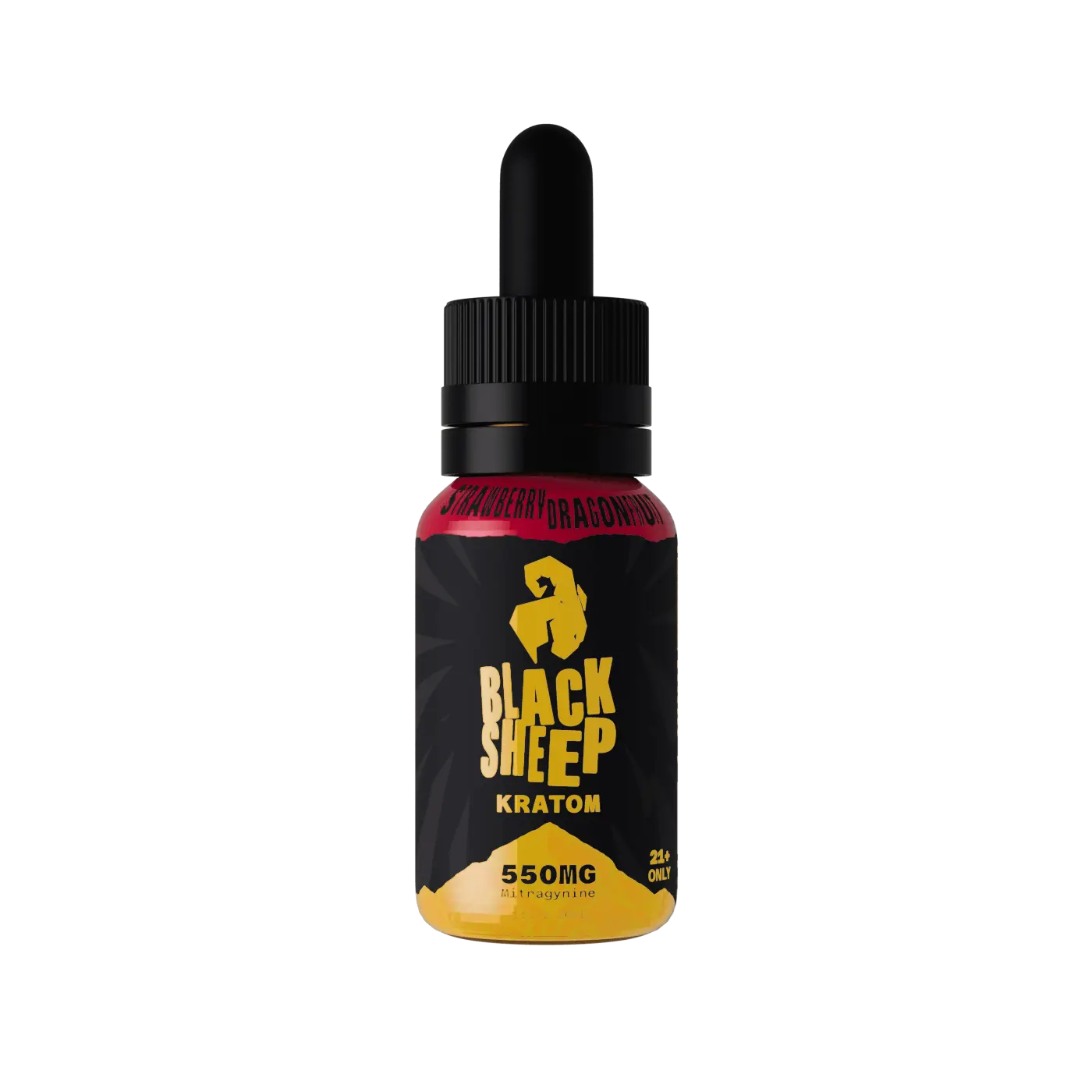
Although originally chewed raw or sipped as a tea, these days, kratom comes in several forms: raw powder, capsules, extracts, tinctures, and liquid shots.

Kratom has popped off in popularity because of its spectrum of effects, which are largely dependent on dose. Some people enjoy it for the energy boost, while others love bigger servings for relaxation. Its versatility is part of the reason why it appeals to so many people.

Kratom's Mechanism of Action

Kratom's main alkaloids, mitragynine and 7-hydroxymitragynine, interact with the same opioid receptors as more recognizable opiates, but they bind to these receptors pretty loosely. Researchers call this "low-efficacy" binding.

That's part of why kratom doesn't behave like a classical opioid, even though it's playing in the same neighborhood. It also interacts with adrenergic receptors, touches on serotonin activity, and interacts with dopamine. 

This means it impacts energy, alertness, mood, and motivation. And it's also why one little plant can trigger so many different effects, ranging from uplifting and peppy all the way to sleepy and relaxing.

With kratom, the serving size (dosage) ends up being the deciding factor: smaller amounts lean on the adrenergic and dopamine side, producing more alertness and sociability, while larger amounts move toward stronger opioid receptor activity, producing more sedation and relaxation.

Then, once it's done, kratom ends up being processed through the liver via the same enzyme systems responsible for metabolizing a long list of medications—and alcohol.

What Is Alcohol?

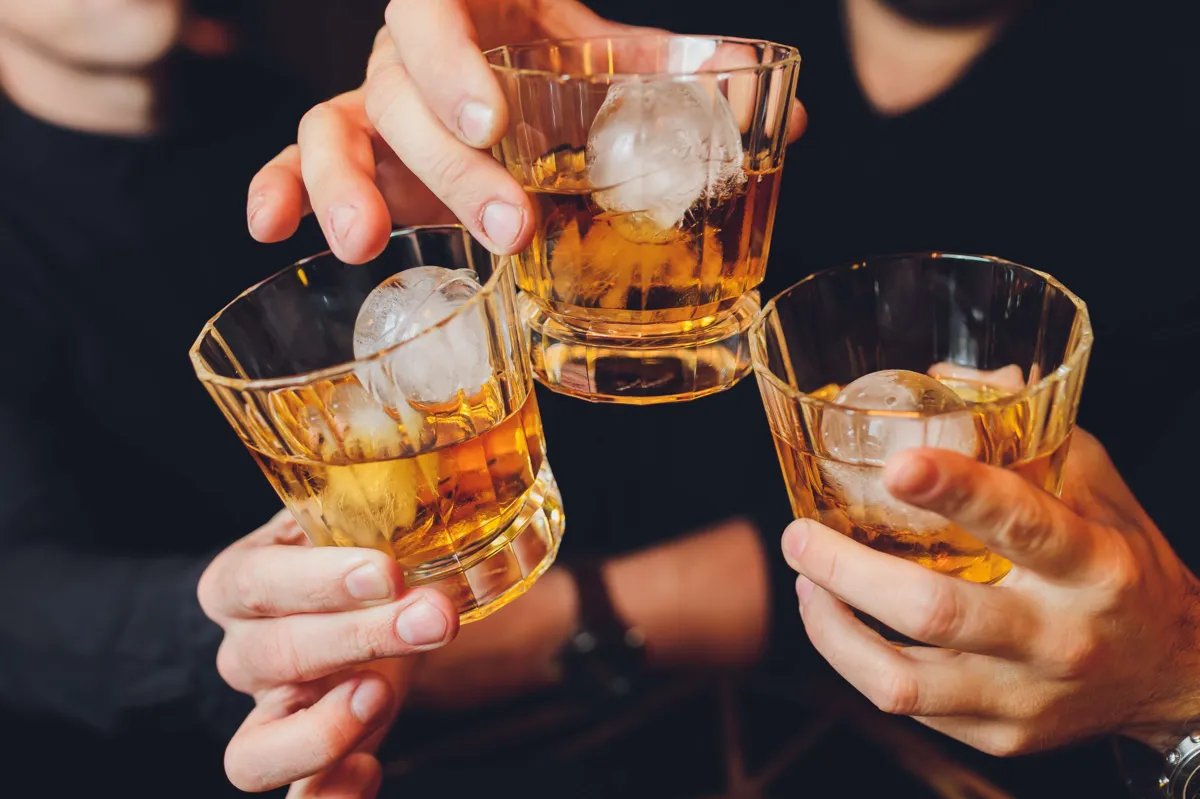
drinks with alcohol

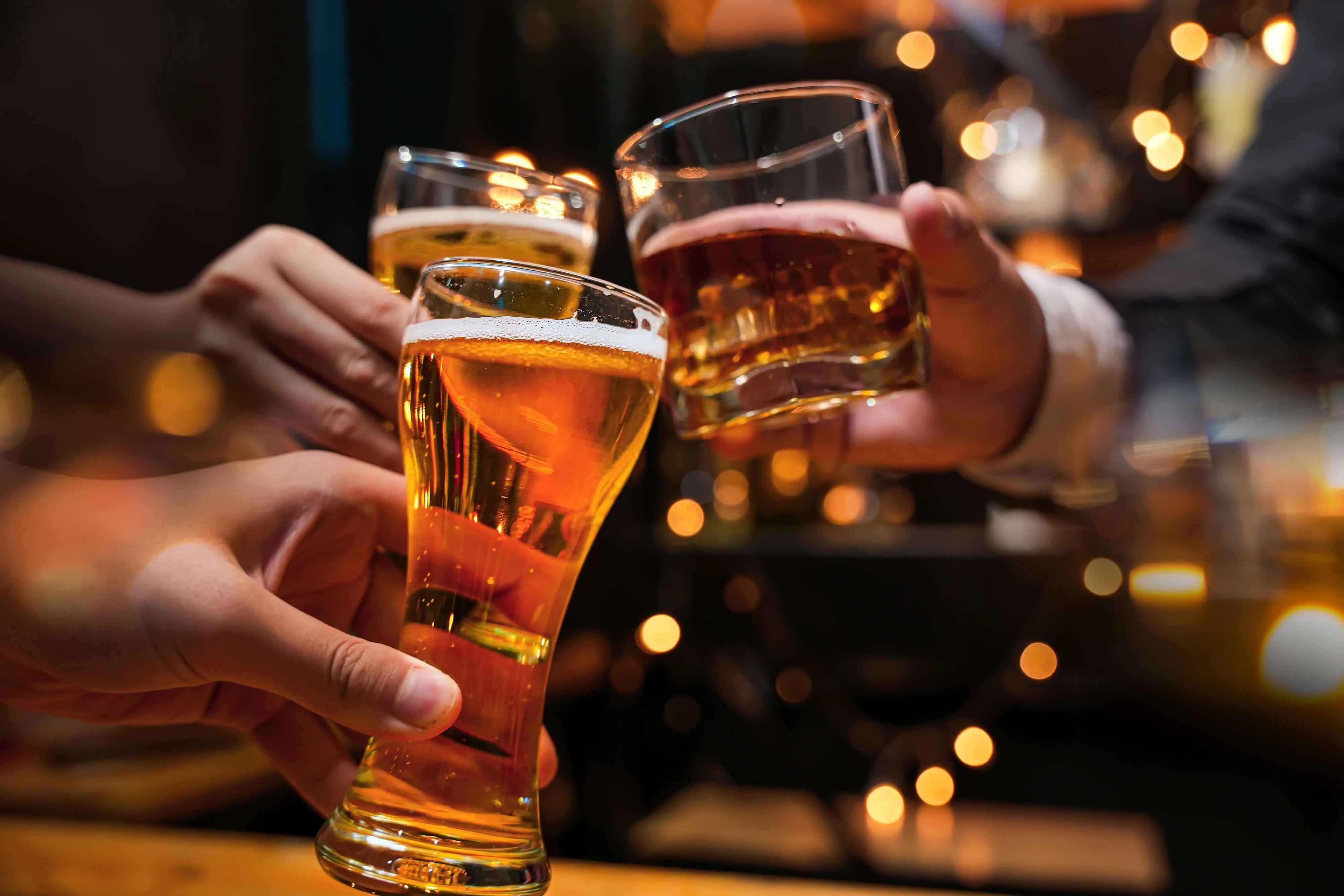
Now on to what is a much more familiar social elixir: alcohol. This is one of the oldest recreational substances around, made by fermenting sugars from grains, fruit, or whatever else will break down into ethanol. 

Every beer, wine, and spirit on the planet, no matter how different the brewing or distillation process, contains that same active compound.

Pharmacologically, alcohol is classified as a central nervous system depressant because it slows down brain activity. Unlike kratom, there isn’t such a spectrum of effects. The more you drink, the more intense the effects become, with small amounts loosening things up and larger amounts eventually slowing things down.

For the uninitiated, alcohol hits the bloodstream fast, affecting coordination, judgment, and reaction time. Again, like with kratom, the liver is also responsible for breaking it down.

Alcohol's Mechanism of Action

Alcohol works by boosting GABA and suppressing glutamate. GABA is the brain's braking signal, so increasing its function brings on relaxation and loosens inhibitions. Glutamate does the opposite; it's technically the brain's gas pedal. So, as alcohol suppresses, it means less gas and less energy. Together, that's a double whammy for sedation, slowed reflexes, and impaired coordination.

But like kratom, alcohol also triggers dopamine release via the brain's reward pathways, which are responsible for that pleasant feeling that comes after a drink or two.

So, why do kratom and alcohol feel so different? It comes down to which systems get involved. Alcohol runs a fairly straightforward operation: boost GABA, suppress glutamate, hit the reward pathway.

Kratom's playing a more complicated game, splitting its attention across opioid, adrenergic, serotonin, and dopamine systems depending on how much you take. One is a dimmer switch. The other is closer to a mixing board.

Kratom vs. Alcohol: Side-by-Side Comparison


Kratom

Alcohol

Source

Kratom (Mitragyna speciosa) leaves

Fermented sugars from grains, fruit, etc

Mechanism of action

Loose opioid agonist with additional activity at dopamine, adrenergic receptors, and serotonin receptors

A central nervous system depressant that enhances GABA while reducing glutamate

Typical lower‑dose effects

Mild energy boost, increased alertness, and mood lift

Mild relaxation, disinhibition, with mild motor impairment

Typical higher‑dose effects

Relaxation, release of physical discomfort, and sedation

Strong intoxication, impaired judgment, and motor impairment

Onset time

Roughly 5–10 minutes, varies by form and serving

Roughly 10–20 minutes, varies by beverage and food intake

Duration

Roughly 2 to 5 hours, depending on serving size and potency

A few hours, depending on the amount consumed

Metabolism

Processed by the liver via CYP450 enzymes

Processed by the liver via the alcohol dehydrogenase pathway and microsomal ethanol‑oxidizing system

Common side effects

Nausea, dizziness, dry mouth

Nausea, dehydration, impaired coordination

Addiction potential

Can cause dependence and withdrawal

High dependence potential; severe alcohol use disorder common and often disabling

Overdose risks

Limited data; risk increases when combined with other substances

Well-documented; can be life-threatening at high levels

Legal status

Varies widely by jurisdiction; often sold as a supplement or controlled substance

Legal and widely available, but regulated (age limits, DUI laws, etc.)

​How Kratom Feels Compared to Alcohol

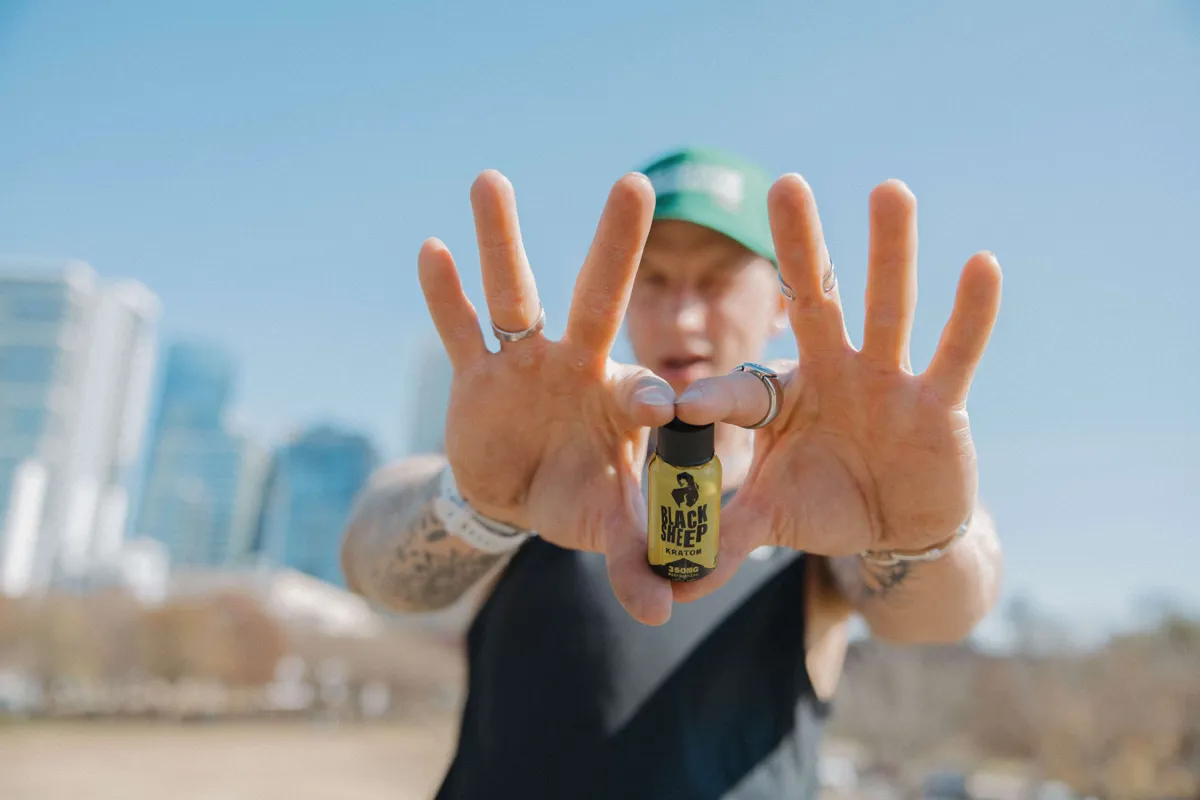
man holding kratom shot


There is a reason you hear about kratom and alcohol mentioned in the same conversation so frequently: these two social elixirs have many overlapping effects.

Let’s begin with beer, wine, and spirits, the effects of which are fairly predictable: loosened inhibitions, mellow mood improvement, and increasing sleepiness the more you drink.

Although you might feel ramped up and ready for the dance floor, technically speaking, alcohol isn’t an energizer. It's a depressing full stop. This is what makes it different than kratom.

Kratom's effect curve depends on serving size: smaller amounts can bring alertness, mild stimulation, and focus. Only with larger servings do the effects shift toward calmness, relaxation, and sleepiness.

As a reminder, no matter what social lubricator you are tapping into, body weight, tolerance, and what's already in your system all shape the experience. No two people, or two servings, are guaranteed to experience the same effects.

Can You Mix Kratom and Alcohol?

Short answer: no.

Why? Because both substances affect the central nervous system, and even at reasonable serving sizes, both can act as depressants. If you combine them, you're potentially compounding these effects—stacking sedation, impaired motor control, and, most dangerously, respiratory depression.

Although there haven’t been many robust peer-reviewed studies exploring the compound effects, several clinical summaries and toxicology reports have reported these issues.

Another contributing factor to this warning is that the combination of alcohol and kratom can make the liver work overtime. Alcohol is a well-established hepatotoxin (aka a liver toxin) on its own. Kratom may also cause liver strain, according to several case studies.

Put them together, and you're asking one organ to process two different and challenging molecules at the same time. With no solid research on the long-term effects of stacking, the risks are real and unpredictable.

The final word? It is highly recommended to enjoy these two separately.

Legal Status of Kratom and Alcohol

Alcohol is federally regulated and legal nationwide for adults 21 and older, with individual states layering on their own specific rules. It’s perhaps the most widely available, yet regulated, substance on the planet in this regard.

Kratom is federally legal, but state and local laws vary. Some states regulate it by age or ban it outright. Rules are also highly volatile right now, so it's worth checking your local regulations before purchasing. For the full breakdown by state, see our kratom legality guide.

Kratom vs. Alcohol? Let's Review!

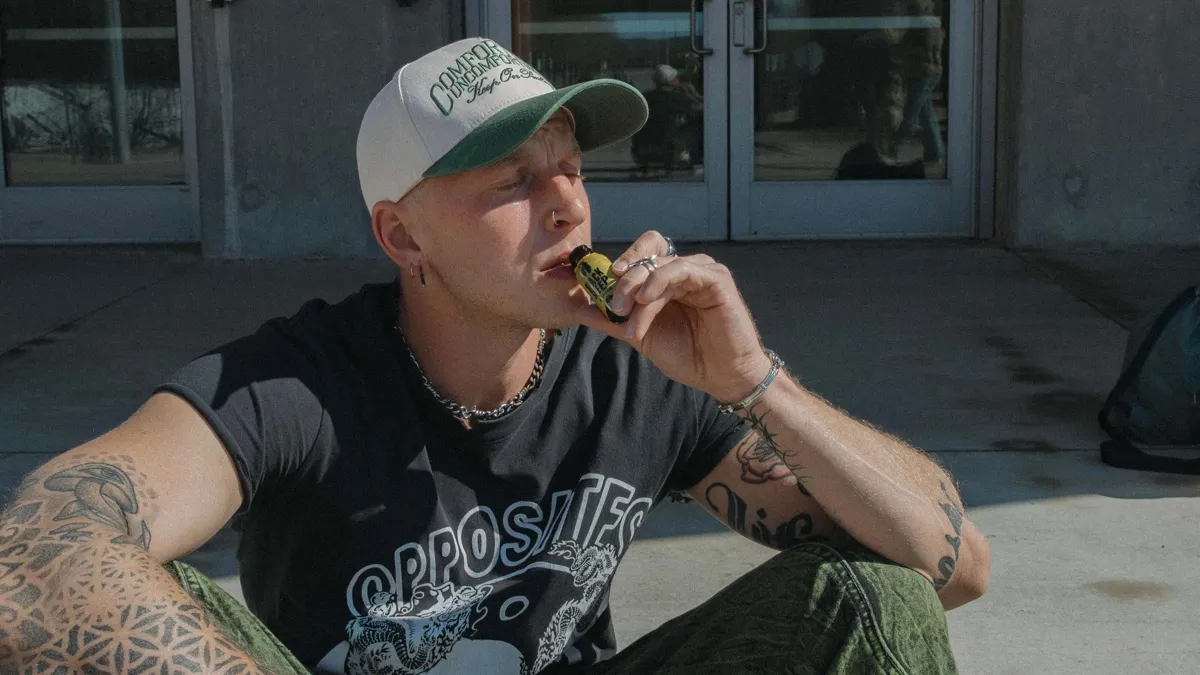
man sipping a kratom shot

Kratom and alcohol might get lumped together in conversation, but no matter which way you look at it, they are two very different things. Kratom's multi-system approach makes its effects more of a spectrum, while alcohol's more of a straight line toward sedation.

When it comes to mixing kratom with alcohol, the expert consensus is to avoid it. You'll only compound the risks of each, especially for your liver and central nervous system.

None of this is about fear-mongering. It's about knowing what you're actually putting in your body and making the smart call.​

Is kratom safer than alcohol?

No matter how you look at it, kratom and alcohol are not comparable in any simple way. Alcohol has well-documented risks of overdose, organ damage, and withdrawal. Long-term research on kratom is still developing, but it appears less acutely toxic and far less lethal than alcohol at typical recreational doses. But it’s important to remember that neither is risk-free. Talk to a healthcare provider before drawing conclusions for your own situation.

Can you drink alcohol while taking kratom?

We don't recommend it, and our label states this clearly: do not combine kratom with alcohol, sedatives, stimulants, or prescription medication. Both kratom and alcohol affect the central nervous system, and their interaction hasn't been well studied, though experts believe the negative side effects, including sedation, impaired coordination, and slow respiration, might compound when taken together.

How long should you wait between kratom and alcohol?

There's no established, research-backed window because it varies too much by body weight, tolerance, product type and quality, and serving size to give an exact number. It's typically recommended to wait a day between the two because they both interact with the same liver enzyme, and your body's ability to metabolize each will linger long after you no longer feel the direct effects. The safest guidance is to avoid combining them altogether.

Does kratom affect alcohol tolerance?

No reliable research confirms a direct effect. But kratom and alcohol touch some of the same systems in the body, which is exactly why combining them is unpredictable.

Can kratom help reduce alcohol consumption?

You might read on Reddit that people are turning to kratom to help reduce their alcohol intake, but it needs to be stated that kratom isn't approved to diagnose, treat, cure, or prevent any disease or condition, including alcohol use disorder. Talk to a healthcare provider first.

What should you do if you experience adverse effects after combining alcohol and kratom?

First, stop taking both immediately and stay with someone sober who can monitor your symptoms. Second, if your symptoms become more severe than discomfort, such as trouble breathing, chest pain, or confusion, call 911.
FDA Disclaimer These statements have not been evaluated by the Food and Drug Administration. The efficacy of these products has not been confirmed by FDA-approved research. These products are not intended to diagnose, treat, cure, or prevent any disease. All information presented here is not meant as a substitute for or alternative to information from health care practitioners. Please consult your healthcare professional about potential interactions or other possible complications before using any product. The Federal Food, Drug, and Cosmetic Act requires this notice.
SUBSCRIBE & SAVE

First time customers only

FOLLOW US
logo
Quality for those who charge horns first.
FOLLOW US
2026 Black Sheep. All rights reserved.
Contact us Privacy Policy Terms of Service Refund Policy
These statements have not been evaluated by the FDA and are not intended to diagnose, treat or cure any disease. Always check with your physician if you are taking prescription medication before starting a new dietary supplement.