






August 5, 2026
DEA Announces Temporary Schedule I Classification for 7-OH

KEY TAKEAWAYS
- The DEA will temporarily place 7-hydroxymitragine (7-OH) in Schedule I effective August 5, 2026, meaning it is federally illegal.
- This change does not affect the legality of kratom products containing naturally occurring trace amounts of 7-OH below 0.05%.
- Kratom extracts are a suitable alternative to 7-OH, offering strong effects without the federal illegality or extreme safety concerns associated with concentrated 7-OH.
On July 1, 2026, the U.S. Drug Enforcement Administration (DEA) announced its intent to temporarily place 7-hydroxymitragine (7-OH) above a specified threshold along with three related compounds in Schedule I of the Controlled Substances Act (CSA).
The temporary rescheduling is expected to take effect on August 5, 2026.
So naturally, you might have some questions regarding what this means, how (or if) this affects all kratom products, what 7-OH even is, and a whole lot more. Well, in this article we’re breaking down everything you need to know about the upcoming 7-OH scheduling in plain, simple English. Without further hesitation, let’s jump in.
Does the 7-OH Scheduling Affect Kratom?

In the words of their press release, "This temporary scheduling action does not apply to botanical kratom products that contain naturally occurring 7-OH below the specified threshold. Instead, it targets synthesized products and those containing elevated concentrations of 7-OH as outlined in the temporary scheduling order. DEA believes these substances pose an imminent threat to public safety given their effects are highly unpredictable."
Therefore, your favorite kratom products will not be affected by the August 5 ban.
What is 7-OH?
7-OH, which is short for 7-hydroxymitragine, is an alkaloid found naturally in small amounts in kratom. An alkaloid is simply an organic compound that contains one nitrogen atom. For example, both mitragynine (the active compound in kratom) and caffeine are both alkaloids.
But here’s the key distinction: kratom products that contain 7-OH and concentrated 7-OH products are not the same thing.
Because 7-OH only naturally appears in trace amounts, commercially available products containing high concentrations of 7-OH have to be produced through additional processing or semi-synthetic methods.
Although the two are related, they’re not interchangeable. Like mitragynine, 7-OH interacts with opioid receptors. However, research suggests that 7-OH has a much stronger affinity for certain receptors than mitragynine, which may account for its more pronounced effects.
What Are the Effects of 7-OH?
Because of their concentrated alkaloid content, 7-OH products inherently produce substantially stronger effects than traditional kratom leaf products.
Potential effects of 7-OH may include:
- Relaxation
- Euphoria
- Sedation
- Drowsiness
- Nausea
A 2025 study suggests that 7-OH may exceed the potency of morphine in certain laboratory measures. It’s important to note that potency doesn’t necessarily mean the same thing as overall risk. However, the potent activity of 7-OH helps explain why researchers and regulators have raised concerns about this compound's potential risk.
Is 7-OH Safe?
We’re not your doctor, nor are we medical experts. That being said, the available research has understandably raised concerns surrounding 7-OH.
According to the same 2025 study mentioned earlier: "Collectively, the evidence demonstrates that concentrated 7-OH products are pharmacologically and toxicologically distinct from kratom leaf and pose significant risks of morbidity and mortality under typical conditions of use."
Basically, that means 7-OH products appear to behave differently from traditional kratom leaf products, and may carry a greater risk of serious harm
.
At Black Sheep, we’re not here to judge what adults choose to put in their bodies, but there’s a reason why we don’t sell concentrated 7-OH products.
Is 7-OH Legal?
Just as we’re not your doctor, we’re not your lawyer either. So this section is intended to provide general information, not legal advice.
In short, 7-OH is federally illegal. As stated earlier, the DEA is moving products containing a dry weight concentration of 7-OH equal to or greater than 0.05% into Schedule I beginning August 5, 2026.
So what does that mean?
Basically, 7-OH will become subject to some of the strictest controls under federal law. In other words, manufacturing, distribution, sale, and possession of 7-OH may be subject to federal criminal, civil, and administrative penalties.
“But does a federal ban mean 7-OH is banned everywhere in America?” No, federal and state laws operate separately. Some states have already banned 7-OH, while other states may have different rules or no specific restrictions.
However, a state’s decision not to prohibit a substance doesn’t override federal law.
If you’re curious about the legality of 7-OH in your own state, we recommend checking in with your state’s current laws. If you are wondering about the legal implications of possessing a 7-OH product, we recommend you speak to a licensed attorney.
Now What? 7-OH Alternatives

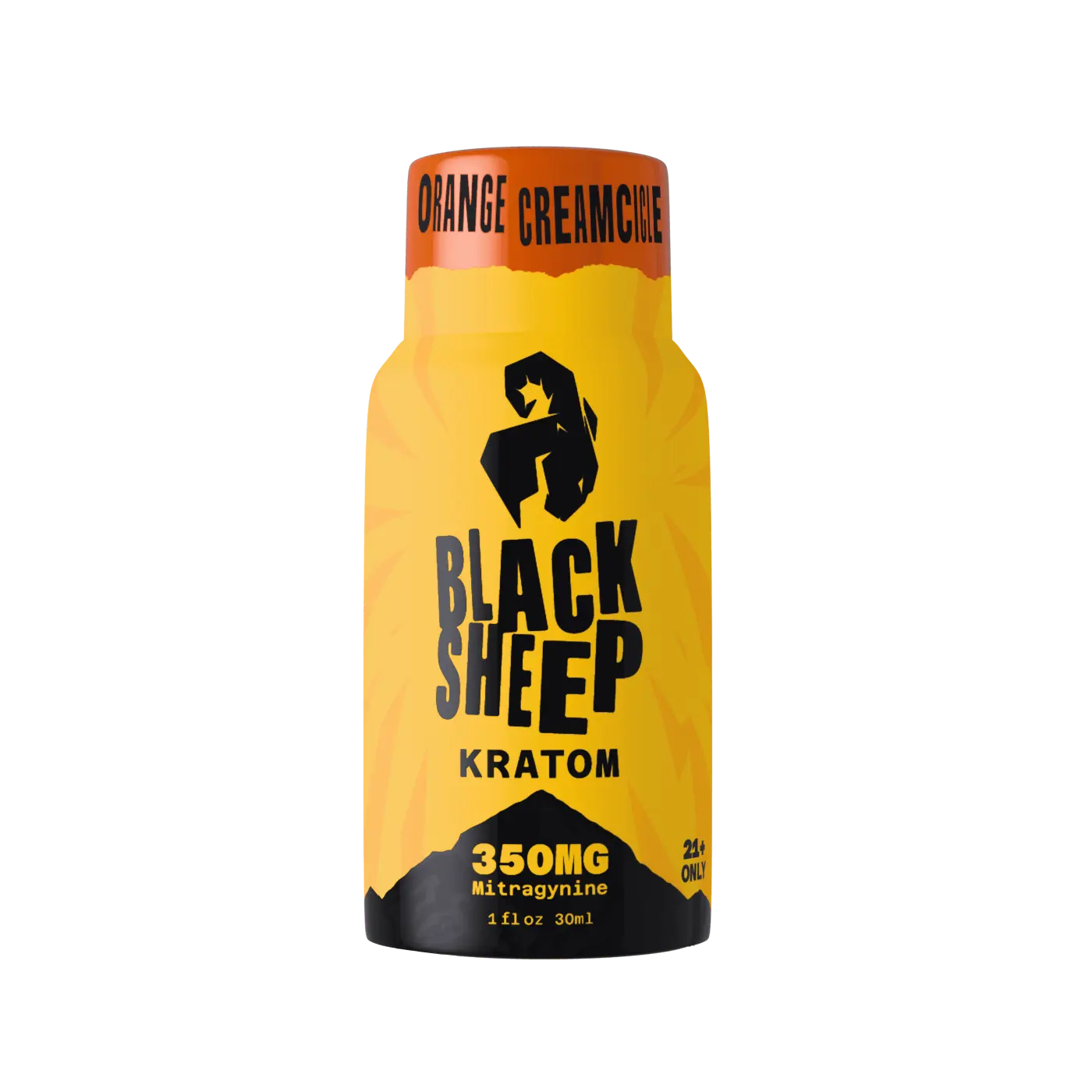
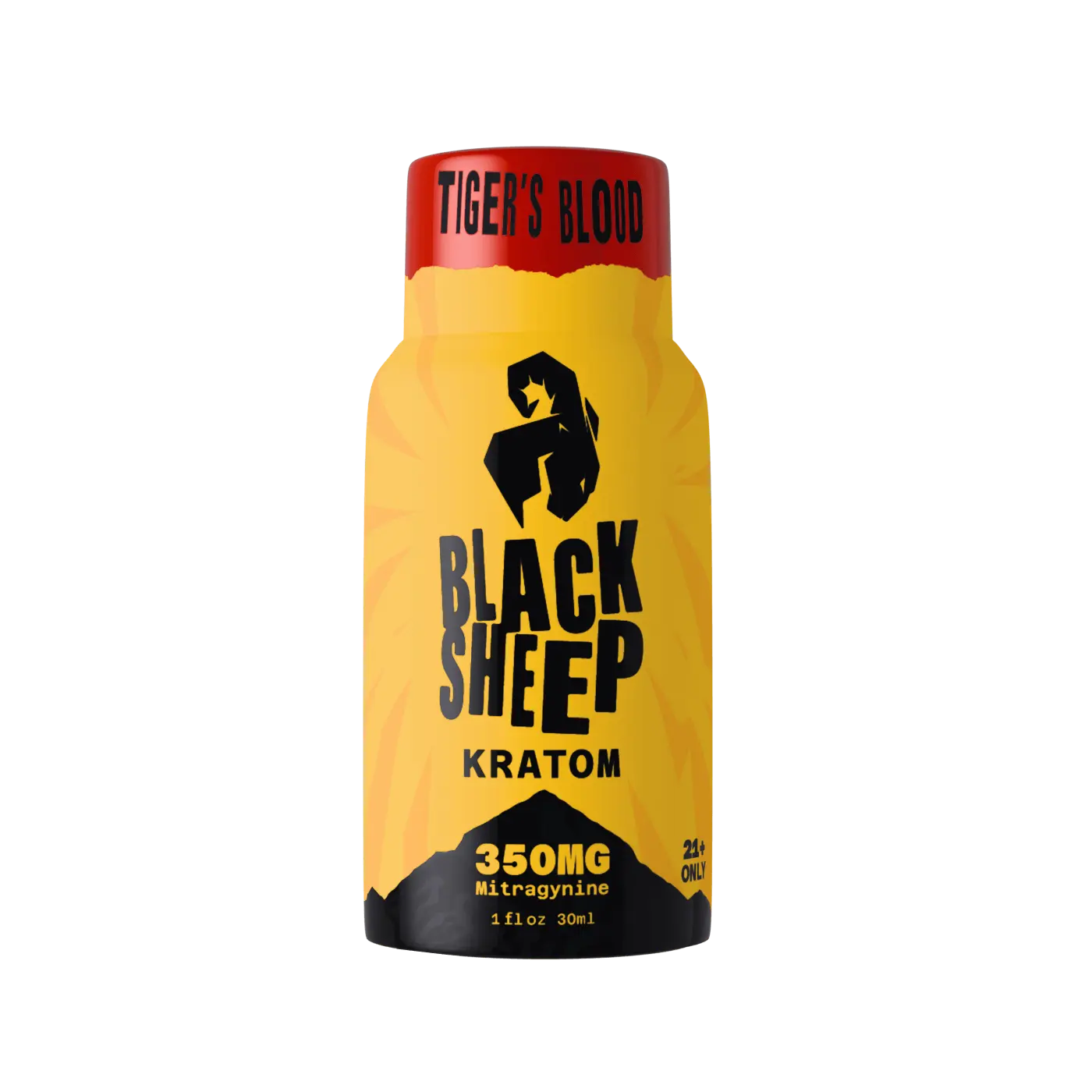
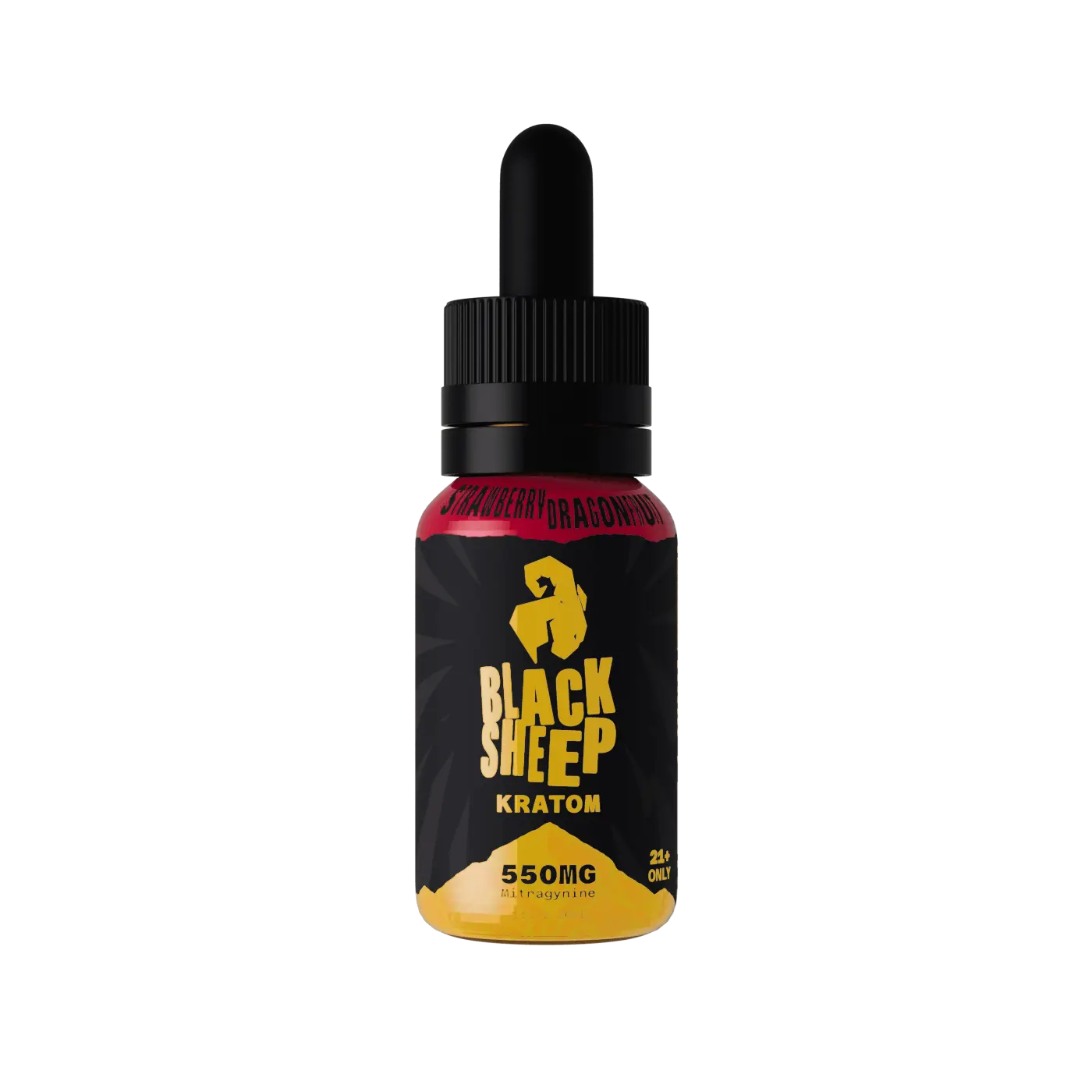
If you’re looking for products with effects in the same “spectrum” of 7-OH, but without all the baggage, kratom extracts may be worth considering.
As stated before, 7-OH naturally occurs in trace amounts in kratom leaves. While traditional kratom products are not the same as a concentrated 7-OH product, they do still contain 7-OH, alongside other natural alkaloids that act on opioid receptors to yield similar effects.
And if you’ve enjoyed the potency of 7-OH products, you'll be happy to know extract-based products are much stronger than your typical kratom leaf-based powders and capsules, meaning you'll still get a strong experience.
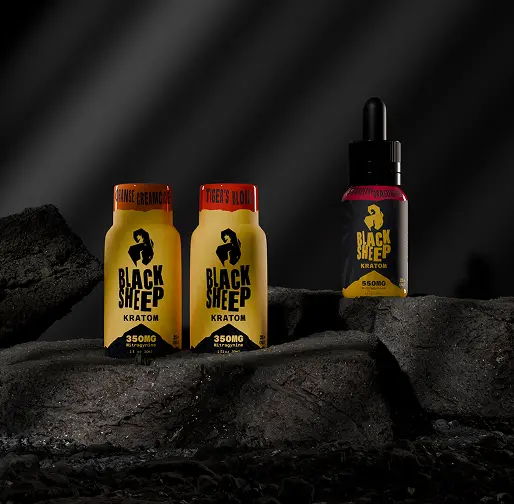
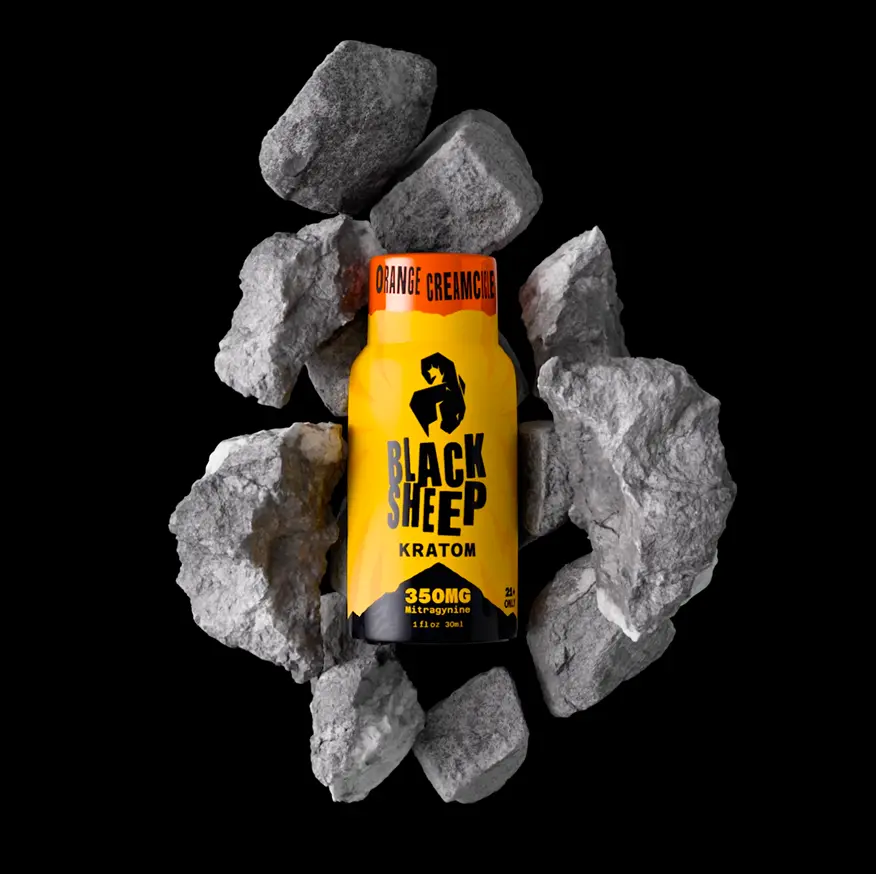
At Black Sheep, our extracts go the extra mile, featuring:
- Black pepper extract for improved absorption
- Bitter blockers for superior flavor
- Sugar-free formulation for feeling better and being better for you
- A single point of origin for quality control
Review From Former 7-OH User
“Pure 🔥 one and done ready to rock, this is now my go to there will be no substitutions, strong enough to get you away from 7 if you know what I mean”- JEREMY
Plain and simple, we only make products we’d use ourselves and invite you to try them for yourself.
FDA Disclaimer
These statements have not been evaluated by the Food and Drug Administration. The efficacy of these products has not been confirmed by FDA-approved research. These products are not intended to diagnose, treat, cure, or prevent any disease. All information presented here is not meant as a substitute for or alternative to information from health care practitioners. Please consult your healthcare professional about potential interactions or other possible complications before using any product. The Federal Food, Drug, and Cosmetic Act requires this notice.SUBSCRIBE & SAVE
First time customers only



These statements have not been evaluated by the FDA and are not intended to diagnose, treat or cure any disease. Always check with your physician if you are taking prescription medication before starting a new dietary supplement.