






June 10, 2026
Is Kratom Legal? U.S. Kratom Legality Guide By State

Table of Contents
KEY TAKEAWAYS
- Kratom is federally legal in the U.S. as it remains unscheduled under the Controlled Substances Act, but state and municipal regulations vary.
- The Kratom Consumer Protection Act (KCPA) provides a regulatory framework focused on safety, labeling, and age restrictions; over 20 states have adopted versions of this act, while others have bans or no regulation.
- Kratom legality varies widely by state and locality, with ongoing legislative changes in 2026 including bans in some states and increased scrutiny on 7-OH products; staying informed on local laws and buying compliant products is essential.
This article is for educational purposes only and does not constitute legal advice.
Is kratom legal in the U.S.? If you’ve ever looked this question up, you’ll already know how complicated the legal landscape is. Kratom is unscheduled at the federal level, but at the state and even the municipal level, a patchwork of legislation regulates the use and enjoyment of this South Asian plant species.
Depending on where you live, you may discover that kratom is either completely unregulated, managed under what is known as the Kratom Consumer Protection Act (KCPA) framework, or even totally banned. Oh, and did we mention that the rules are constantly changing?
If you have questions about whether kratom is legal or not where you live, start here. The following covers the convoluted federal rules (or lack thereof) and provides a state-by-state breakdown of kratom legality, highlighting all the need-to-know information.
Is Kratom Federally Legal in the U.S.?

The short answer is yes, kratom is legal in the U.S. because it remains federally unscheduled.
Kratom is not controlled under the federal Controlled Substances Act. That means simple possession and use aren't federally criminalized. No federal law makes it illegal to buy, own, or consume kratom in the United States. So, this is the baseline from which U.S. regulation starts.
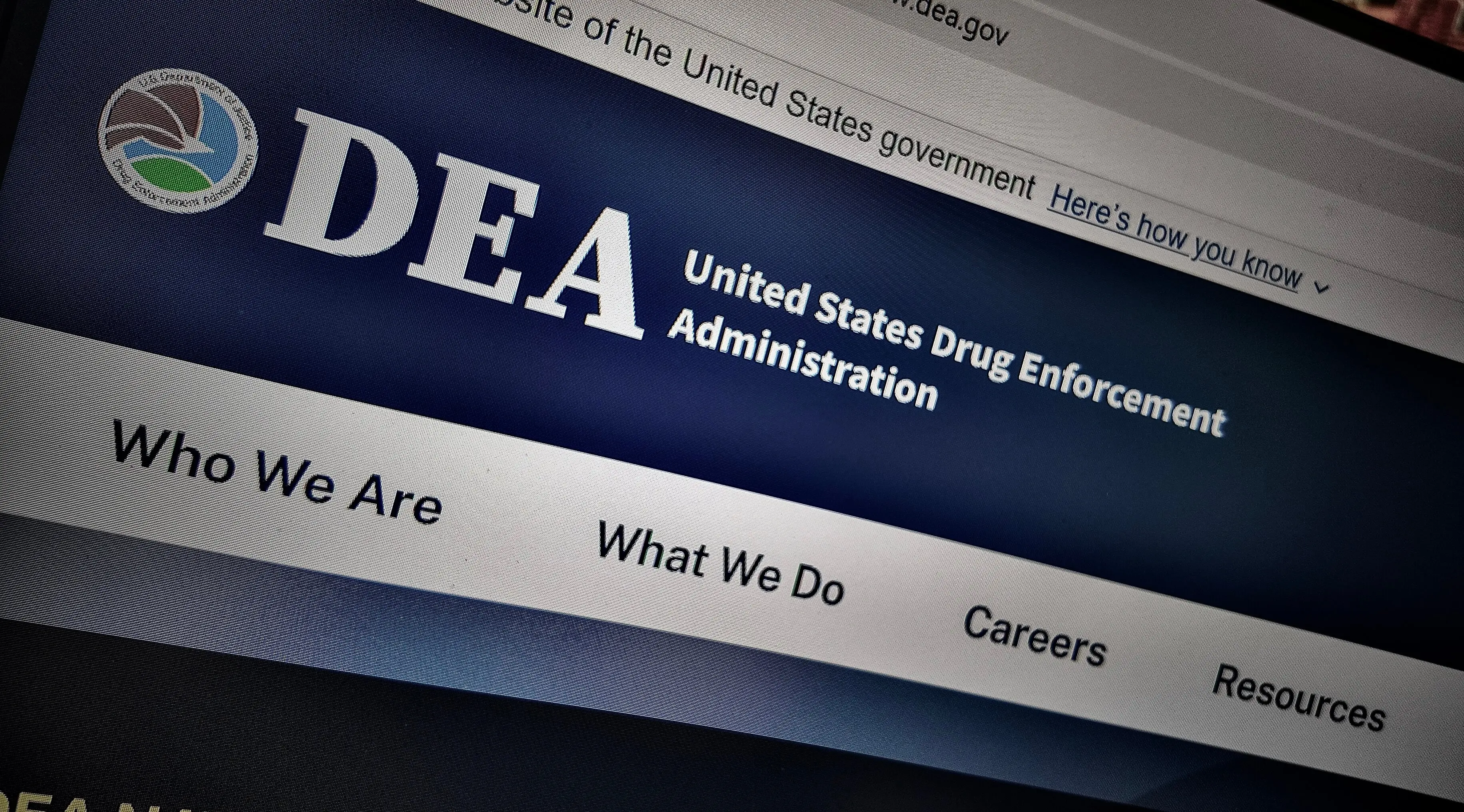
But "federally legal" doesn't mean federally endorsed. The Drug Enforcement Agency (DEA) classifies kratom as a "Drug and Chemical of Concern.” In the past, it has also tried to pass emergency rulings, specifically about a hyper-potent concentration of kratom called 7-OH (7-hydroxymitragynine). These efforts have been shut down due to intense public and scientific uproar.
What about the Food and Drug Administration’s (FDA’s) position? The agency hasn't approved kratom for anything. In their view, it's not a medical drug, a dietary supplement, or a food additive.
But, while they want to prevent brands from making false or misleading claims about kratom, the FDA is not really focused on personal possession or use.
Why (and How) Is Kratom Legal?
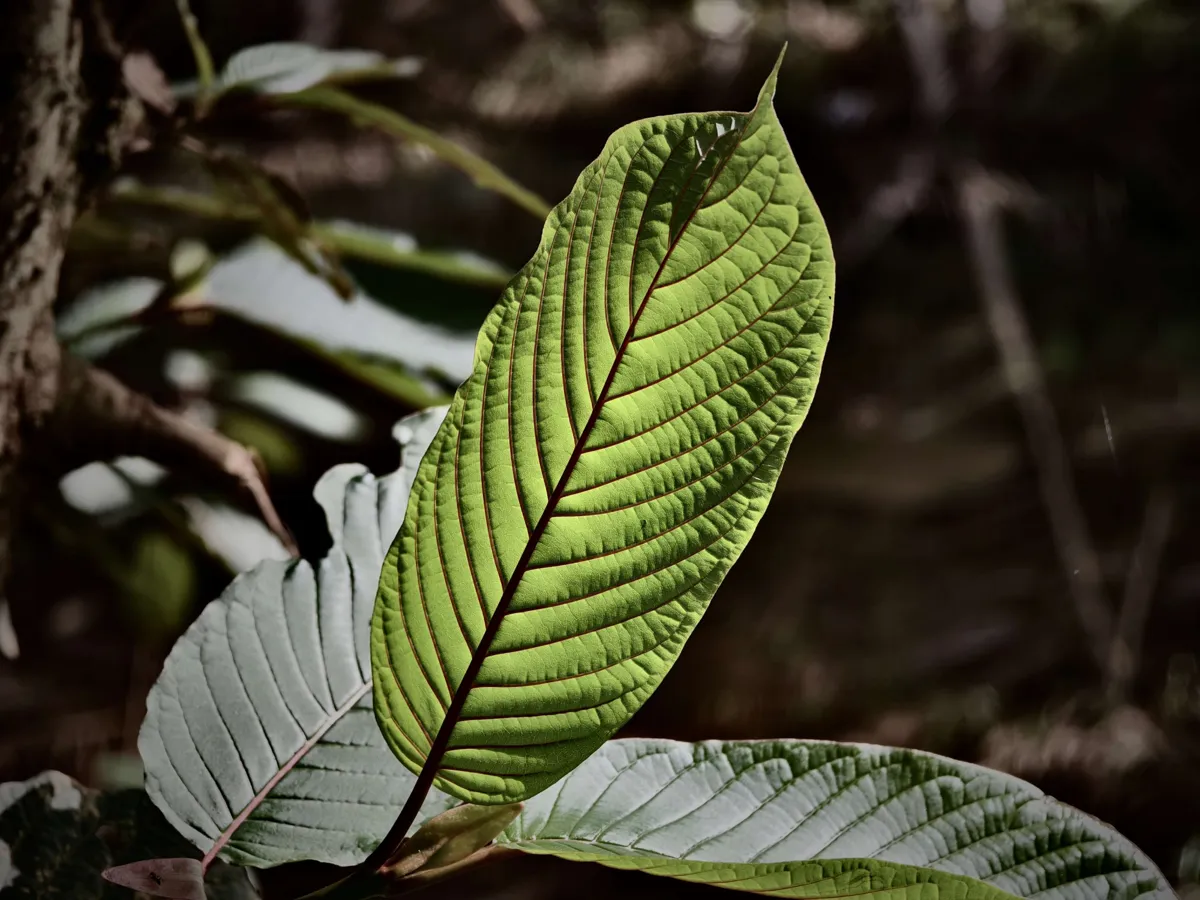
This is the weird legal landscape in which kratom exists. A kratom product sold under the guise of being a medical treatment could draw FDA action against the company selling it, but the person who bought it hasn't broken any federal law.
So why hasn't a federal ban happened? Mostly because scheduling a substance under the Controlled Substances Act requires a formal rulemaking process. Even when the DEA tried to push through an emergency scheduling in 2016 that proposed to place kratom's primary alkaloids into Schedule I alongside heroin and LSD, the public and the scientific community spoke up.
Over 23,000 public comments came in (according to reports, about 99% in opposition). The public backlash was so intense that members of Congress pushed back, with scientists supporting them. They argued the evidence was questionable. The DEA withdrew the proposal and hasn't moved to schedule kratom since.
Legislators and researchers are very worried that prohibition could push some people who use kratom toward more dangerous alternatives. The result is that, today, kratom lives in a narrow legal corridor where it is unscheduled and not approved.
Right now, the DEA is awaiting the FDA’s formal recommendations on kratom’s alkaloids, but so far, the FDA has only recommended scheduling of concentrated 7‑OH products. The DEA hasn’t made any moves toward this yet.
The Kratom Consumer Protection Act (KCPA)
One thing that definitely changed since the intense 2016 kratom fight was the Kratom Consumer Protection Act (KCPA). Rather than continuing to play defense against federal prohibition, kratom advocates shifted toward building what has since become a robust regulatory framework.
The American Kratom Association originally dreamed up the KCPA, and its main premise is to keep kratom legal while addressing safety concerns. Today, more than a dozen states have enacted versions of this act, but the core tenets always revolve around:
- Lab-testing
- Accurate labeling
- Age restrictions
- Banning adulterated products
Which States Have Adopted the KCPA?
At the time of writing, more than 20 states have adopted the KCPA, or at least equivalent legislation built around the same intent.
Here’s the rundown of which states have enacted KCPA legislation so far:
- Arizona
- California
- Colorado
- Florida
- Georgia
- Kentucky*
- Maryland
- Minnesota
- Mississippi
- Missouri
- Nebraska
- Nevada
- New York
- Ohio
- Oklahoma
- Oregon
- Rhode Island
- South Carolina
- South Dakota
- Texas
- Utah
- Virginia
- West Virginia
- Wyoming
Just keep in mind that within each of these states, there may be local bans or pending legislation you’ll need to pay attention to. For example, Kentucky has a ban pending for January 1, 2027.
And roughly another 20 states have a version of the KCPA under consideration. These potential KCPA states include:
- Delaware
- Washington DC
- Idaho
- Illinois
- Iowa
- Maine
- Massachusetts
- Michigan
- Missouri
- Montana
- New Hampshire
- New Jersey
- New Mexico
- North Carolina
- North Dakota
- Ohio
- Pennsylvania
- Rhode Island
- Tennessee
- Washington
State-by-State Breakdown: Where Is Kratom Legal, Regulated, or Illegal?

What’s the latest Michigan kratom legal status in 2026? What about in Kentucky or Florida? As you have probably figured out by this point, when you get down to the state level, there are many differences in how individual states treat kratom. Which makes it pretty confusing to figure out where kratom is legal, where it’s not, and how it's regulated.
The table below gives a high-level snapshot of where each state stands. We get into the specifics further down, but a state in the "Legal (No KCPA)" column doesn't necessarily mean anything goes. Some of those states still have age restrictions or local bans on the books.
| Legal (No KCPA) | Regulated (KCPA or Equivalent) | Illegal |
|
|
|
Will Kratom Laws Change in 2026?

Emerging kratom legislation
There have been some subtle changes to kratom regulations across the country in 2026, but nothing notable at the national level. For example, Connecticut, California, and Ohio all implemented full statewide bans, while a few more local bans took effect, like in Spokane, Washington.
As it stands, 2026’s kratom rules are rolling out much like they have up until this point. The net effect for the year is just more patchwork legislation from state to state and jurisdiction to jurisdiction. But there is a much sharper distinction between natural leaf kratom derivatives and 7‑OH.
7-OH regulations
Have you heard about 7-OH, or 7-hydroxymitragynine? This is a highly concentrated byproduct of natural kratom leaves and can act directly on the brain's mu-opioid receptors. Because it can be 10 to 50 times more potent than morphine or the main active alkaloids in regular kratom, it comes with significantly greater risk of dependence and very serious side effects.
In 2025, the FDA announced that they were “specifically targeting 7-OH,” but importantly clarified that they were “not focused on natural kratom leaf products.” According to the release, despite the risks to consumers, these products are increasingly available at gas stations, corner stores, and vape shops, often without age restrictions.
Worse still, “These products may not be clearly or accurately labeled as to their 7-OH content and are sometimes disguised or marketed as kratom.“
Interestingly, despite this announcement and the FDA's increasingly aggressive action against brands selling 7-OH products, it remains unscheduled at the federal level.
Potential federal reforms
Kratom and kratom extracts are unscheduled federally, but there are a few noteworthy events in 2026 that need to be called out.
First, the DEA’s 2016 emergency scheduling attempt was withdrawn following public and congressional pushback. But this hasn’t stopped federal lawmakers from pushing an anti-kratom agenda.
For example, in March 2026, Senators Pete Ricketts (R‑NE) and Richard Blumenthal (D‑CT) sent a letter urging the FDA to address a “kratom scheduling loophole,” explicitly calling for the scheduling of both whole kratom leaf and 7‑OH under the CSA.
In Congress, there have been several earlier bills attempting to force the study or scheduling of kratom, but none have passed. Congress has stalled at the committee stage.
Monitoring legal updates
Officially, if you want to keep up on the latest and greatest kratom regulatory changes, you’ll want to keep up with related releases by the FDA and DEA, as well as with your local state lawmakers.
The Legislative Analysis and Public Policy Association (LAPPA) and the Global Kratom Coalition both maintain excellent up-to-date regulatory maps to help you stay in the loop.
If you've made it this far, you already know the rules are complicated. Here's the short version of how to stay on the right side of them:
- Check your state and local laws: Do your due diligence before purchasing.
- Buy from compliant brands: Do they meet KCPA standards, including age verification, accurate labeling, and lab-tested products?
- Request a Certificate of Analysis (COA): This is the clearest signal that a product has been independently tested for potency and contaminants.
- When in doubt, don't travel with kratom: Several states and local jurisdictions have banned kratom; don’t risk it.
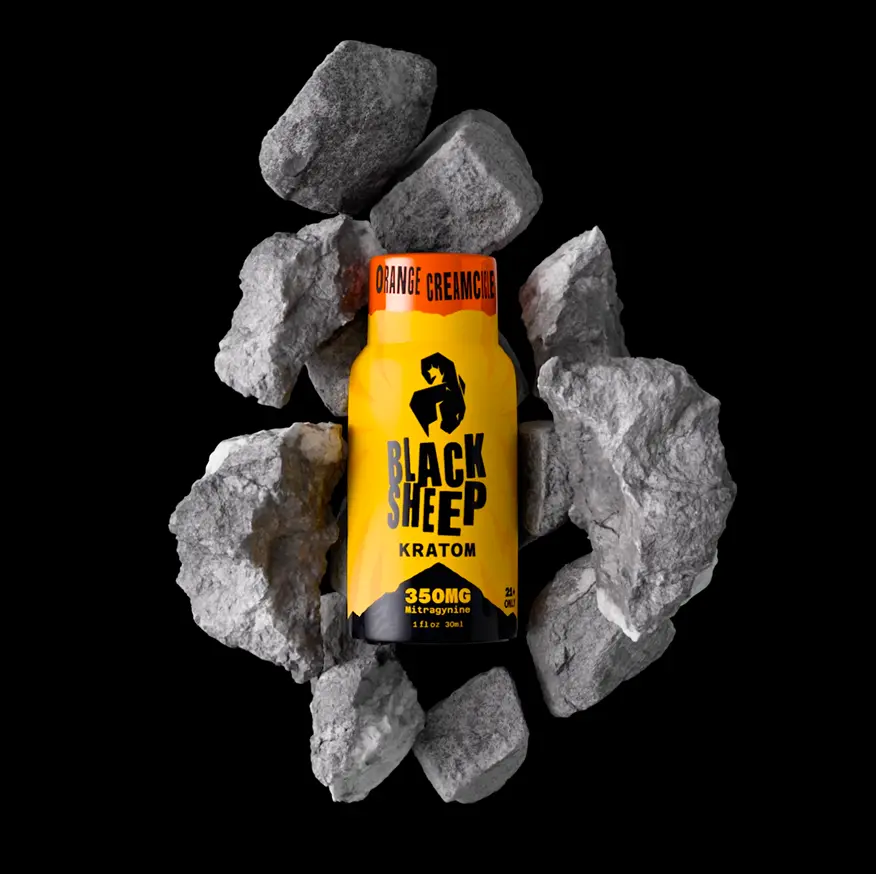
At Black Sheep, we don't take the legal landscape lightly. We follow it closely, follow KCPA recommendations, and won't ship to states where kratom is prohibited. You shouldn't have to guess whether you're buying from someone who takes this seriously, and with us, you don't have to.
Quick Reference: Kratom Legality by State (With Specifics)
Now it's time for the nitty-gritty details about the legal status of kratom in specific states. Always double-check with your local state and local municipal or county government on kratom regulations, because if anything is true in the world of kratom, it's that the regulations are constantly evolving.
Is kratom legal in Alabama in 2026?
- Current status: Illegal. Mitragynine and 7-OH are classified as Schedule I controlled substances, putting kratom in the same legal category as heroin and LSD.
- Age restrictions: N/A, possession and sale are illegal regardless of age.
- KCPA protections: None
- Local bans: N/A, statewide ban in effect
- Pending legislation: None
- Travel considerations: Do not travel to Alabama with kratom. Possession carries felony-level penalties under Alabama's Schedule I controlled substance laws.
- Source: Alabama Code § 20-2-23. Effective May 2016.
Is kratom legal in Arizona?
- Current status: Legal, regulated
- Age restrictions: Must be 18 or older to purchase.
- KCPA protections: Yes. Products must be free of adulterants, cannot contain synthetic alkaloids, and must keep 7-OH below 2% of alkaloid composition. Labels must disclose mitragynine and 7-OH content.
- Local bans: None.
- Pending legislation: None.
- Travel considerations: Legal statewide.
- Source: Ariz. Rev. Stat. Ann. §§ 36-795 to 36-795.03. Effective August 2019, amended September 2022.
Is kratom legal in California?
- Current status: Complicated. No state statute explicitly banning kratom, but California treats kratom and 7-OH as illegal under the Sherman Food, Drug, and Cosmetic Act. The state has conducted aggressive enforcement in 2026.
- Age restrictions: None, but see above.
- KCPA protections: None.
- Local bans: Yes. San Diego, Newport Beach, Orange County, and others have local bans.
- Pending legislation: A.B. 1088 (2025)
- Travel considerations: Use caution. While possession isn't explicitly criminalized under state law, the enforcement environment is aggressive. Verify locally before purchasing or traveling with kratom in California.
- Source: California Department of Public Health (no specific kratom state statutes).
Is kratom legal in Colorado?
- Current status: Legal, regulated.
- Age restrictions: Must be 21 or older to purchase.
- KCPA protections: Yes. Products cannot be adulterated, cannot contain synthetic alkaloids, and must keep 7-OH below 2% of alkaloid composition. Labels must disclose mitragynine and 7-OH content, serving size, and recommended daily limits.
- Local bans: Yes. Denver prohibits kratom for human consumption. Verify locally before purchasing.
- Pending legislation: None
- Travel considerations: Legal statewide.
- Source: Colo. Rev. Stat. Ann. §§ 18-13-132, 44-1-105. Effective August 2022, amended May 2025.
Is kratom legal in Florida?
- Current status: Legal, regulated. Note: the current restriction on 7-OH was implemented via an August 2025 emergency order set to expire June 30, 2026.
- Age restrictions: Must be 21 or older to purchase.
- KCPA protections: Yes. Products must be sold through permitted establishments, cannot be sold via vending machine or self-service, and labels must disclose 7-OH concentration in parts per million.
- Local bans: Yes. Sarasota County has a local ban. Verify locally before purchasing.
- Pending legislation: Additional legislation is pending in 2026 to expand processor permitting and registration requirements.
- Travel considerations: Legal statewide. Verify locally before purchasing.
- Source: Fla. Stat. Ann. § 500.92 and Fla. Admin. Code Ann. r. 5K-4.030. Effective July 2023.
Is kratom legal in Georgia?
- Current status: Legal, regulated.
- Age restrictions: Must be 21 or older to purchase.
- KCPA protections: Yes. Products must be derived from the natural kratom plant, and are subject to strict concentration limits (150mg mitragynine per serving and no more than 1mg 7-OH per serving). Labels must disclose mitragynine and 7-OH content.
- Local bans: None.
- Pending legislation: H.B. 757 (2025) would require kratom processors to register annually.
- Travel considerations: Legal statewide.
- Source: Ga. Code Ann. §§ 16-13-120 to 16-13-122. Effective April 2019, amended January 2025.
Is kratom legal in Illinois?
- Current status: Legal. Minimal regulations.
- Age restrictions: Must be 18 or older to purchase.
- KCPA protections: None.
- Local bans: Yes. Jerseyville has a local ban. Verify locally before purchasing.
- Pending legislation: None.
- Travel considerations: Legal statewide, with the exception of Jerseyville.
- Source: 720 Ill. Comp. Stat. Ann. 642/5. Effective January 2015.
Is kratom legal in Indiana in 2026?
- Current status: Illegal. In Indiana, kratom is not legal in 2026. Specifically, mitragynine and 7-OH are classified as synthetic drugs and therefore Schedule I controlled substances.
- Age restrictions: N/A, possession and sale are illegal regardless of age.
- KCPA protections: None.
- Local bans: N/A, statewide ban in effect.
- Pending legislation: None.
- Travel considerations: Do not travel to Indiana with kratom. Possession carries Schedule I controlled substance penalties.
- Source: Ind. Code Ann. § 35-48-2-4 and § 35-31.5-2-321. Effective July 2012.
Is kratom legal in Iowa?
- Current status: Legal. No regulations at the time of writing.
- Age restrictions: None.
- KCPA protections: None.
- Local bans: None. Verify locally before purchasing.
- Pending legislation: The Iowa House passed H.F. 2133 in March 2026, which would designate kratom as a Schedule I hallucinogenic substance. The companion bill, S.F. 2192, awaits Senate action. Verify current status before purchasing.
- Travel considerations: Legal statewide.
- Source: No state statutes at the time of writing.
Is kratom legal in Kansas?
- Current status: Illegal, effective July 1, 2026. Kratom and 7-OH are Schedule I controlled substances in Kansas.
- Age restrictions: N/A, possession and sale are illegal regardless of age.
- KCPA protections: None.
- Local bans: N/A, statewide ban in effect.
- Pending legislation: None.
- Travel considerations: Do not travel to Kansas with kratom on or after July 1, 2026. Kratom will carry Schedule I controlled substance penalties.
- Source: Kansas H.B. 2635 and S.B. 430. Effective July 1, 2026.
Is kratom legal in Kentucky?
- Current status: Legal, but complicated. Kratom was banned effective January 1, 2027, with legal challenges pending.
- Age restrictions: Must be 21 or older to purchase under current law. Possession and sale are illegal, regardless of age, as of January 1, 2027.
- KCPA protections: Yes.
- Local bans: None noted. Verify locally before purchasing.
- Pending legislation: Legal challenge ongoing as of June 2026.
- Travel considerations: Legal to travel with kratom in Kentucky until January 1, 2027, pending the outcome of the legal challenge. Do not travel with kratom after that date unless the ban is overturned.
- Source: Ky. Rev. Stat. Ann. §§ 217.2201–217.2209.
Is kratom legal in Louisiana?
- Current status: Illegal in Louisiana. Mitragynine and 7-OH are Schedule I controlled substances, and Mitragyna speciosa is classified as a prohibited plant.
- Age restrictions: N/A, possession and sale are illegal regardless of age.
- KCPA protections: None.
- Local bans: N/A, statewide ban in effect.
- Pending legislation: None.
- Travel considerations: Do not travel to Louisiana with kratom.
- Source: La. Stat. Ann. §§ 14:91.10, 40:964, and others.
Is kratom legal in Maryland?
- Current status: Legal, regulated.
- Age restrictions: Must be 21 or older to purchase.
- KCPA protections: Yes. Products cannot be adulterated, cannot contain synthetic alkaloids, and must keep 7-OH below 2% of alkaloid composition. Labels must disclose mitragynine and 7-OH content.
- Local bans: None noted. Verify locally before purchasing.
- Pending legislation: None.
- Travel considerations: Legal statewide.
- Source: Md. Code Ann., Health-Gen. §§ 21-2E-01 through 04. Effective October 1, 2024.
Is kratom legal in Michigan in 2026?
- Current status: Legal (for now), but updates to kratom legality in Michigan for 2026 are pending.
- Age restrictions: None.
- KCPA protections: None.
- Local bans: None noted. Verify locally before purchasing.
- Pending legislation: H.B. 5537 passed the Michigan House March 18–19, 2026. Awaiting Senate action. Monitor closely, as this bill will “amend Michigan law to prohibit the cultivation, synthesis, and sale of kratom and its synthetic variants.”
- Travel considerations: Kratom is legal in Michigan in 2026 statewide; verify status before traveling with kratom.
- Source: Michigan H.B. 5537.
Is kratom legal in Mississippi?
- Current status: Legal, regulated (natural kratom products), 7-OH is banned.
- Age restrictions: Must be 21 or older to purchase.
- KCPA protections: Yes.
- Local bans: Yes, over 30 localities have existing bans or greater restrictions. Verify locally before purchasing.
- Pending legislation: None.
- Travel considerations: Legal statewide, but local bans are widespread.
- Source: Mississippi H.B. 1077, effective July 1, 2025.
Is kratom legal in Missouri?
- Current status: Legal, no regulation, updates to come in 2026
- Age restrictions: None.
- KCPA protections: None.
- Local bans: None noted. Verify locally before purchasing.
- Pending legislation: S.B. 927, a KCPA-style bill, passed out of the Senate Judiciary Committee in March 2026 and awaits full Senate action. If enacted, it would restrict sales to adults 21 and older and cap 7-OH at 800 parts per million.
- Travel considerations: Legal statewide.
- Source: MS.B. 927 and H.B. 3147, 2026 Missouri.
Is kratom legal in New York?
- Current status: Legal, regulated.
- Age restrictions: Must be 21 or older to purchase.
- KCPA protections: None.
- Local bans: None noted. Verify locally before purchasing.
- Pending legislation: None.
- Travel considerations: Legal statewide.
- Source: N.Y. Pub. Health Law § 3396. Effective November 2023.
Is kratom legal in North Carolina?
- Current status: Legal, unregulated.
- Age restrictions: None.
- KCPA protections: None.
- Local bans: None noted. Verify locally before purchasing.
- Pending legislation: Yes, the incoming KCPA-style bill focused on age limits, product standards, and synthetic 7‑OH.
- Travel considerations: Legal statewide.
- Source: No state statute, House Bill 468 (2025–2026).
Is kratom legal in Ohio?
- Current status: Complicated. ”Kratom-related products," defined as synthetic or concentrated mitragynine compounds, including 7-OH, are illegal. Natural kratom derived directly from Mitragyna speciosa is not clearly banned.
- Age restrictions: None.
- KCPA protections: None.
- Local bans: None. Verify locally before purchasing.
- Pending legislation: Permanent rulemaking is expected soon. Monitor closely.
- Travel considerations: Synthetic kratom and concentrated 7-OH products are banned. The status of natural kratom products is ambiguous.
- Source: Ohio Emergency Rule OAC 4729:9-1-01.1, effective December 12, 2025.
Is kratom legal in Oklahoma?
- Current status: Legal, regulated.
- Age restrictions: Must be 18 or older to purchase.
- KCPA protections: Yes. Products must be free of adulterants and controlled substances, cannot contain synthetic alkaloids, and must keep 7-OH below 2% of total alkaloid composition. Labels must disclose mitragynine and 7-OH content.
- Local bans: None noted. Verify locally before purchasing.
- Pending legislation: None.
- Travel considerations: Legal statewide.
- Source: Oklahoma SB 891, effective November 2019, amended 2026.
Is kratom legal in Oregon?
- Current status: Legal, regulated.
- Age restrictions: Must be 21 or older to purchase.
- KCPA protections: Yes. Products must be free of adulterants, cannot contain synthetic alkaloids, and must keep 7-OH below 2% of total alkaloid composition. Labels must disclose mitragynine and 7-OH content, serving size, and recommended daily limits.
- Local bans: None noted. Verify locally before purchasing.
- Travel considerations: Legal statewide.
- Source: Or. Rev. Stat. Ann. §§ 475C.777–475C.791. Effective 2024.
Is kratom legal in Tennessee?
- Current status: Illegal.
- Age restrictions: N/A, possession and sale are illegal regardless of age.
- KCPA protections: N/A, possession and sale are illegal regardless of age.
- Local bans: None beyond the incoming statewide ban.
- Pending legislation: H.B. 1649 signed April 2026, effective July 1, 2026. No legal challenges noted as of publication.
- Travel considerations: Illegal statewide.
- Source: Tenn. Code Ann. § 39-17-452. H.B. 1649 ("Matthew Davenport's Law"), signed April 2026. Updates to Tennessee’s kratom legal status changed on July 1, 2026.
Is kratom legal in Texas in 2026?
- Current status: Legal, regulated.
- Age restrictions: Must be 21 or older to purchase.
- KCPA protections: Yes, via Texas Health & Safety Code Chapter 444. Products must be derived from natural Mitragyna speciosa leaf, cannot contain synthetic alkaloids, and must comply with 7-OH concentration limits. Labels must disclose kratom content and meet state standards.
- Local bans: None. Verify locally before purchasing.
- Pending legislation: S.B. 1868 (2026) would significantly tighten restrictions on kratom, including partial criminalization.
- Travel considerations: Legal throughout Texas for compliant natural kratom products. Ensure products meet state content and labeling requirements.
- Source: Tex. Health & Safety Code Ann. §§ 444.001–444.006. S.B. 497. Effective September 1, 2023.
Is kratom legal in Utah?
- Current status: Legal, regulated.
- Age restrictions: Must be 21 or older to purchase.
- KCPA protections: Yes, with the current law under S.B. 45 is among the most restrictive KCPA frameworks in the country, allowing for pure leaf only, registered retailers only.
- Local bans: None noted. Verify locally before purchasing.
- Pending legislation: None.
- Travel considerations: Legal statewide.
- Source: Utah Code Ann. §§ 4-45-101-501. S.B. 45, 2026 General Session, effective May 6, 2026.
Is kratom legal in Virginia?
- Current status: Legal, semi-regulated.
- Age restrictions: Must be 21 or older to purchase.
- KCPA protections: Yes. Products must be free of adulterants, cannot contain synthetic alkaloids, and must keep 7-OH below 2% of total alkaloid composition. Labels must disclose mitragynine and 7-OH content, serving size, and recommended daily limits.
- Local bans: None noted. Verify locally before purchasing.
- Pending legislation: None.
- Travel considerations: Legal statewide.
- Source: Va. Code Ann. § 59.1-200(77). H.B. 1842, effective July 1, 2023. H.B. 360 (Ch. 595), signed April 2026.
Is kratom legal in Wisconsin in 2026?
- Current status: Illegal.
- Age restrictions: N/A, possession and sale are illegal regardless of age.
- KCPA protections: N/A, possession and sale are illegal regardless of age.
- Local bans: None beyond the incoming statewide ban.
- Pending legislation: None.
- Travel considerations: Do not travel to Wisconsin with kratom. In Wisconsin, kratom is illegal in 2026, and possession carries Schedule I controlled substance penalties.
- Source: Wis. Stat. Ann. § 961.14(4)(tb).
FDA Disclaimer
These statements have not been evaluated by the Food and Drug Administration. The efficacy of these products has not been confirmed by FDA-approved research. These products are not intended to diagnose, treat, cure, or prevent any disease. All information presented here is not meant as a substitute for or alternative to information from health care practitioners. Please consult your healthcare professional about potential interactions or other possible complications before using any product. The Federal Food, Drug, and Cosmetic Act requires this notice.SUBSCRIBE & SAVE
First time customers only



These statements have not been evaluated by the FDA and are not intended to diagnose, treat or cure any disease. Always check with your physician if you are taking prescription medication before starting a new dietary supplement.