







Everything you know and love about kratom comes from kratom’s alkaloids. These are naturally occurring plant compounds that interact with a variety of receptors in our bodies, creating a spectrum of effects, from energy and focus to sleep and relief.
But, if you’ve ever wanted a deeper understanding of this plant's active compounds, here’s your advanced kratom alkaloids crash course. We go beyond the basics of mitragynine and 7‑hydroxymitragynine to explore this plant's cast of supporting compounds, as well as describe the scientific basis for all kratom alkaloids' effects.
What Are Alkaloids?
The basis for every kratom experience is alkaloids. These are a diverse class of naturally occurring compounds that are found not just in kratom but in many common plants that we enjoy daily.
Some alkaloids you've likely already encountered are methylxanthine in coffee beans, theophylline in tea leaves, and theobromine in cacao.
One of the telltale characteristics of alkaloids, including those found in kratom, is a bitter taste. But beyond that, alkaloids are so special because they can cross the blood-brain barrier to interact with a variety of receptor types.
On a molecular level, this is because alkaloid compounds are water-soluble and have a compatible nitrogen‑containing structure.
For example, kratom alkaloids' unique structure allows them to mimic certain neurotransmitters and partially bind to the body’s opioid and serotonin receptors. This trait means they can influence mood, pain, sleep, stress, energy, and motivation.
Alkaloids in Kratom: Explained

Kratom’s effects come from the many types of alkaloids contained within its leaves. The most important alkaloids are mitragynine and 7‑hydroxymitragynine.
Just how many alkaloids are there in kratom? Alongside the two heavy hitters, the plant produces another 40+ alkaloids. You may find minor alkaloids like paynantheine, speciociliatine, speciogynine, mitraciliatine, and others mentioned in conversations about kratom.
Unlike synthetic compounds that can be manufactured to identical specs every time, products derived from plants, including kratom, are inherently variable. Leaves sourced from one region in Indonesia won't have the same chemical makeup as those from another country.
Even the same farm will see slight variations in alkaloid content from season to season or harvest to harvest. This is just the nature (no pun intended) of working with botanicals.
Yet, despite the inherent variation among alkaloids, it's important to know the basics of kratom’s alkaloid science. Knowing how they work helps you create a more consistent and predictable experience, especially if you’re always trying new products or switching brands.
You may find certain products or doses more energetic or mood-lifting than others. Some might feel more physically relaxed. Once you get to know the alkaloids, this natural variation makes more sense.
Primary Kratom Alkaloids
Mitragynine
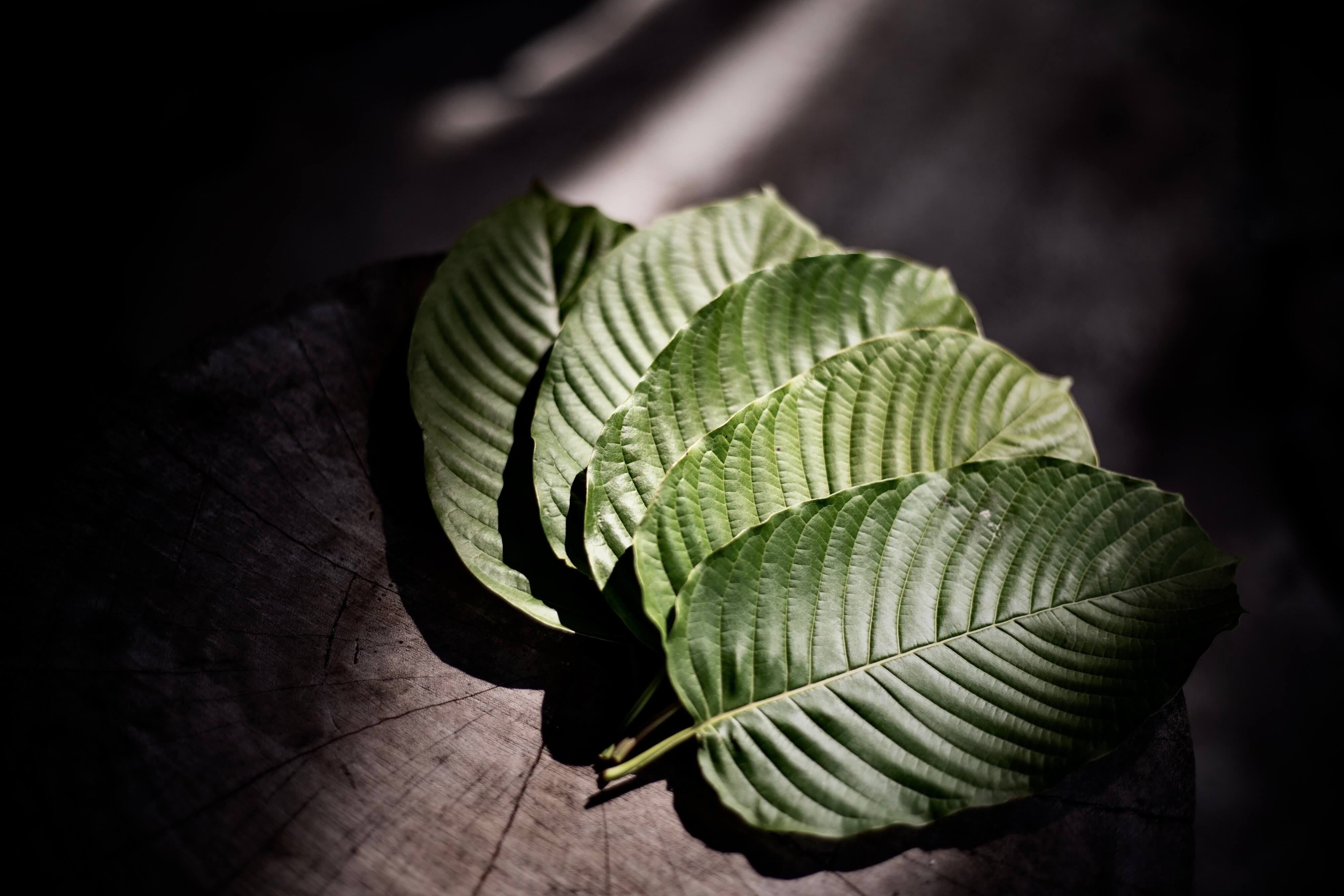
Mitragynine is the most abundant alkaloid found in kratom, so it plays the biggest role in the overall experience. Still, you can expect some variation in how much plants contain. Different kratom genetics, harvest times, and growth environments will produce more or less mitragynine.
As you get to know mitragynine, it's critical to understand that its effects are highly dependent on the serving size. At lower doses, it can feel more energizing and social, and at the other end of the spectrum, it becomes more relaxing, sleepy, and physically comforting.
7-Hydroxymitragynine
7-hydroxymitragynine is the second major kratom alkaloid known, but it’s typically present at much lower levels than mitragynine. 7-hydroxymitragynine is important, though, because it has much stronger effects, specifically in its interactions with opioid receptors.
Because of this ability to so strongly interact with opioid receptors, 7-hydroxymitragynine is getting a lot of scientific attention. In animal studies, it has been found to have more pronounced effects than commonly used prescription pain relievers, but further studies are needed to fully understand its potential applications in humans.
It’s also interesting because our metabolism converts a small amount of mitragynine into 7-hydroxymitragynine. Even a tiny amount from this process can amplify the relaxing, relieving, and sedative effects.
Advanced Kratom Alkaloids: Secondary & Supporting Compounds
If mitragynine and 7-hydroxymitragynine are the main characters, then the minor alkaloids are the supporting cast members. They’re like backseat drivers who may not have control over the car's direction but are still there, providing helpful commentary.
Getting to know these minor alkaloids helps build a deeper understanding of kratom's full-spectrum effects. This is how you start to see the complete picture of kratom's entourage effect (a.k.a. the way multiple compounds work together to shape the overall experience).
Speciogynine
Think of speciogynine as a mellow mood regulator. Unlike mitragynine, which leans heavily on opioid receptors, speciogynine operates through slightly different channels. It primarily acts through serotonin pathways, which help regulate mood and how your body handles stress.
Speciogynine also shows promising pain-relieving properties. And again, because it doesn’t depend on the same opioid mechanisms dominated by mitragynine, it adds another layer to kratom's overall effect.
Speciociliatine
At the molecular level, speciociliatine is mitragynine's close cousin. It looks the same with a few key structural differences, which help it bind more tightly to opioid receptors than mitragynine.
In a full alkaloid profile, speciociliatine acts as a subtle receptor modifier rather than the main driver.
Paynantheine
Paynantheine operates like speciogynine because it's another serotonin-focused alkaloid that influences mood and stress responses. It also interacts with opioid receptors, but more gently than mitragynine or 7-hydroxymitragynine. Together with the other minor alkaloids, paynantheine helps round out kratom's effects.
How Kratom Alkaloids Work in the Body
The only reason kratom alkaloids produce any effects at all is that they interact with a spectrum of receptor types. If we think of our receptors as doors to different rooms, kratom alkaloids provide part of the passcode to help unlock them. In the medical world, they’re known as partial receptor agonists.
Partial agonists help fine-tune receptor activity rather than simply inducing 100% activation. Kratom's main alkaloids, mitragynine and 7-hydroxymitragynine, fall into the partial agonist category of compounds.
Even at higher serving sizes, they will only activate opioid receptors somewhere between 30% and 50% of full capacity.
And let’s not forget that kratom’s alkaloids also work through other non-opioid receptor channels. Mitragynine and other minor alkaloids bind to serotonin and adrenergic receptors, influencing mood, anxiety, and alertness.
Clearly, kratom is complex, and the full alkaloid profile engages several systems at once. For you, the key takeaway is that the overall experience will largely depend on the specific alkaloid ratio, your individual body chemistry, and the dose. The same product in the same serving can feel different from person to person.
Why Alkaloid Profiles Matter More Than Strains/Colors
Kratom has been traditionally sold under strain names. There are green, red, and white vein strains, and you’ll also see more regional labels, including those from Thailand, Indonesia, and Malaysia. Supposedly, these strains have different effects.
But can you rely on strain names to predict potency and effects?
If you want to know which kratom has the highest alkaloids, the honest answer is that you can’t go by strain names or regions. These are all post-harvest classifications, not genetically distinct strains.
Final alkaloid content depends heavily on climate, growing season, and local environment. Whether it's green vein or white vein, these are more marketing tactics than scientifically founded distinctions.
So instead of looking for strains, you need to look for alkaloid ratios or an alkaloid breakdown by percentage. Check labels to get the exact alkaloid makeup to best predict the effects and determine the serving size.
And the only way to get accurate ratios? Third-party laboratory alkaloid testing.
Seek Lab Reports For Alkaloid Transparency
As a consumer, if you want to make informed purchasing decisions and, later, safe serving-size decisions, you need to look for products that come with a full Certificate of Analysis. This document is created by a third-party lab and will tell you the total alkaloids present and, hopefully, the breakdown by type.
At Black Sheep, we rely on full-panel testing on all of our products. Lab testing informs product safety, as well as alkaloid potency and alkaloid-type breakdown. It’s done on a batch-by-batch basis, so there’s no question about what you’re getting in every bottle. For example, our COAs break down how much mitragynine, 7-hydroxymitragynine, paynantheine, speciociliatine, and speciogynine you'll get in every batch.
But we are among the few brands in the kratom space who maintain this level of quality and safety standards.
Safety, Education, & Responsible Use
When it comes to kratom, moderation is key. Even a naturally derived substance that is as pleasant and uplifting as kratom can come with risk. This is especially true with lower-quality, untested products.
So let's talk about the part most brands prefer to skip over. The effects from too much kratom can include nausea, constipation, dizziness, dry mouth, sweating, and over-sedation. More serious side effects are rare but typically involve mixing kratom with alcohol or other substances.
We also need to mention the risk of tolerance and dependence. Yes, you can develop tolerance and dependence with regular heavy use. Withdrawal symptoms may include irritability, mood swings, and sleep disturbances.
Most importantly, risks scale with serving size. The more kratom you take, the more intense the effects and the higher the chance of unwanted outcomes. This is exactly why alkaloid labeling matters. A scoop of powder from one batch could be twice as strong as a scoop from another. Know the alkaloid content, know your limits, and don't chase effects by escalating your serving.
Kratom Alkaloid FAQ

How many alkaloids are in kratom?
There are two main alkaloids in kratom (mitragynine and 7-hydroxymitragynine) and more than 40 additional minor alkaloids produced by the plant.
Is one alkaloid better than another?
This is like asking if apples are better than oranges. All kratom alkaloids interact with similar systems in our body.
Do all kratom products have the same alkaloid profile?
No. Alkaloid content varies widely across products, which is why you should read labels carefully. Check for batch-specific test results breaking down alkaloid content by type. This will give you an accurate idea of strength, effects, and serving size.
A Simpler Approach to Kratom Alkaloid Content
Kratom's effects come from a complex alkaloid profile. It starts with mitragynine and 7-hydroxymitragynine, but as we’ve seen, there is a supporting cast of minor compounds that work in concert with the two stars. These alkaloids work through slightly different channels to create an entourage of effects felt throughout the mind and body.
Understanding that chemistry is the first step. The second is finding a product you can trust.
At Black Sheep, we make kratom shots and tinctures through an exacting process that starts with organic extraction techniques designed to achieve consistent targets. Instead of trying to maximize yields, we focus on repeatable standardized outputs.
That means Kratom Shots with an exact 350 mg of mitragynine and 20 individual shots per bottle. Or, 550 mg mitragynine per bottle of Kratom Tincture. All our products come with full third-party lab testing, so there is zero mystery about what you're actually taking.